
A commercial roof insurance claim usually has more than one moving part happening at once: a facility manager trying to keep the building operating, an adjuster working a caseload that spans an entire storm event, an insurance carrier waiting on documentation, and a roof that still needs to be protected from further damage while all of that sorts out. Insurance claim coordination is the roofing side of keeping those pieces lined up - the inspection happens when it needs to, the documentation is ready before it is asked for, and the repair work starts as soon as approval clears instead of sitting in a queue.
We work this the same way across a chemical-processing site in the Kanawha Valley, a university building near WVU or Marshall, a downtown storefront with decades of roof patch history, or a warehouse along I-64 or I-79: the roof gets inspected first, on its own timeline where possible, so we have our own record of condition before the adjuster's visit is even scheduled. That record becomes the reference point for everything that follows.
Coordinating the Timeline
Claims move on a schedule set by the carrier and the adjuster's availability, not by the building owner's preference, and a roof with active damage does not wait politely for that schedule to clear. We handle the sequencing: temporary protection goes down first if there is an active leak, our own inspection and documentation happen as early as conditions allow, and we stay available to meet the adjuster on the roof when that visit is scheduled, rather than requiring the owner to coordinate access separately.
What We Track Through the Claim
Through the life of a claim we keep a record of what has been inspected, what has been documented, what the adjuster has seen, and what is still outstanding. That includes the claim number and date of loss, prior roof reports and warranty paperwork if the owner has them, interior leak locations tied back to specific roof areas, and any access restrictions the facility has around rooftop units, tenant spaces, or occupied areas below. Keeping that information organized in one place means fewer repeated site visits and fewer gaps between what the carrier has on file and what the roof actually needs.
Separating What We Do From a Public Adjuster
This is a coordination service on the roofing side, not a claims-advocacy service. We inspect, document, and produce a contractor's scope that reflects the true condition of the roof, including code-required upgrades and matching considerations that a like-for-like repair estimate would miss. We meet the adjuster on the roof and answer questions about the roof's condition and history. We do not file the claim, negotiate the settlement, or represent the owner's interests against the carrier - that is the role of a public adjuster if the owner chooses to retain one, or the owner's own conversation with their carrier.
When Coordination Matters Most
Coordination has the most value on claims that involve multiple buildings, older roofs with complicated repair histories, or damage that is not confined to one obvious area. A single-building claim with clear, isolated damage is usually straightforward. A multi-site claim after a regional storm event, or a claim on a roof with years of prior patches that need to be distinguished from fresh storm damage, benefits from someone tracking the details across every step so nothing gets lost between the first phone call and the final repair sign-off.
After the Claim Is Approved
Once a scope is approved, coordination continues into the repair phase: scheduling around the building's operations, sequencing temporary protection ahead of permanent work where needed, and closing out the claim file with final photos and documentation once repairs are complete. The goal through the whole process is a roof that is fully restored and a claim record that accurately reflects what the storm did and what it took to fix it.
Q&A
Questions about Insurance Claim Coordination
What is roof-side insurance claim coordination?
It is managing the roofing steps of a claim - inspection, documentation, meeting the adjuster, and sequencing repair work - so nothing gets delayed or lost between the storm event and the finished repair.
Is claim coordination the same as hiring a public adjuster?
No. We are your roofing contractor, not a public adjuster - we document and substantiate the roof damage so you and your adjuster work from an accurate scope. Filing the claim and negotiating the settlement are separate from what we do.
Can the building stay open while a claim is being coordinated?
In most cases, yes. Emergency dry-in stabilizes any active leak first, then documentation, adjuster review, and permanent repair are phased so the building keeps operating through the process.
What should I have ready before the first roof inspection?
The claim number and date of loss if a claim is already open, any prior roof reports or warranty paperwork, interior leak photos, and a facility contact who can arrange rooftop access.
Do you coordinate claims across multiple buildings after a regional storm?
Yes. Multi-site claims are where coordination matters most, since tracking inspection status, documentation, and adjuster visits across several roofs is easy to lose track of without a single point managing the roofing side.
Related Roof Decisions
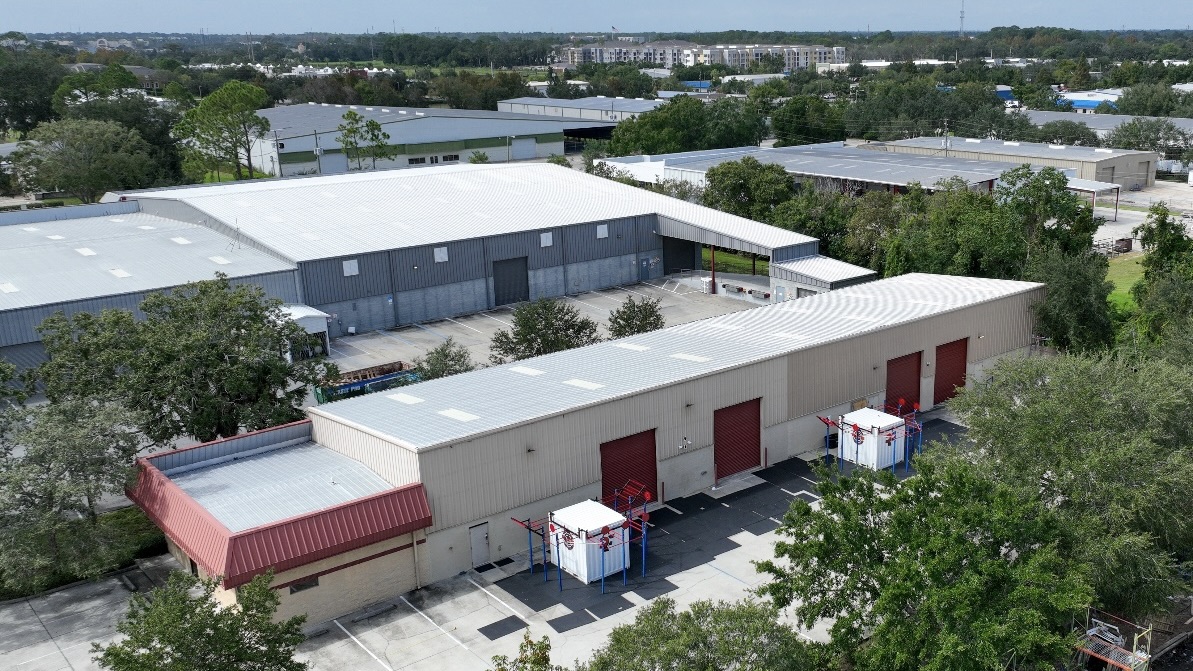
Commercial Roof Insurance Claim Assistance in West Virginia
The full picture of what a commercial roof insurance claim requires, from first inspection through adjuster walk to repair.
→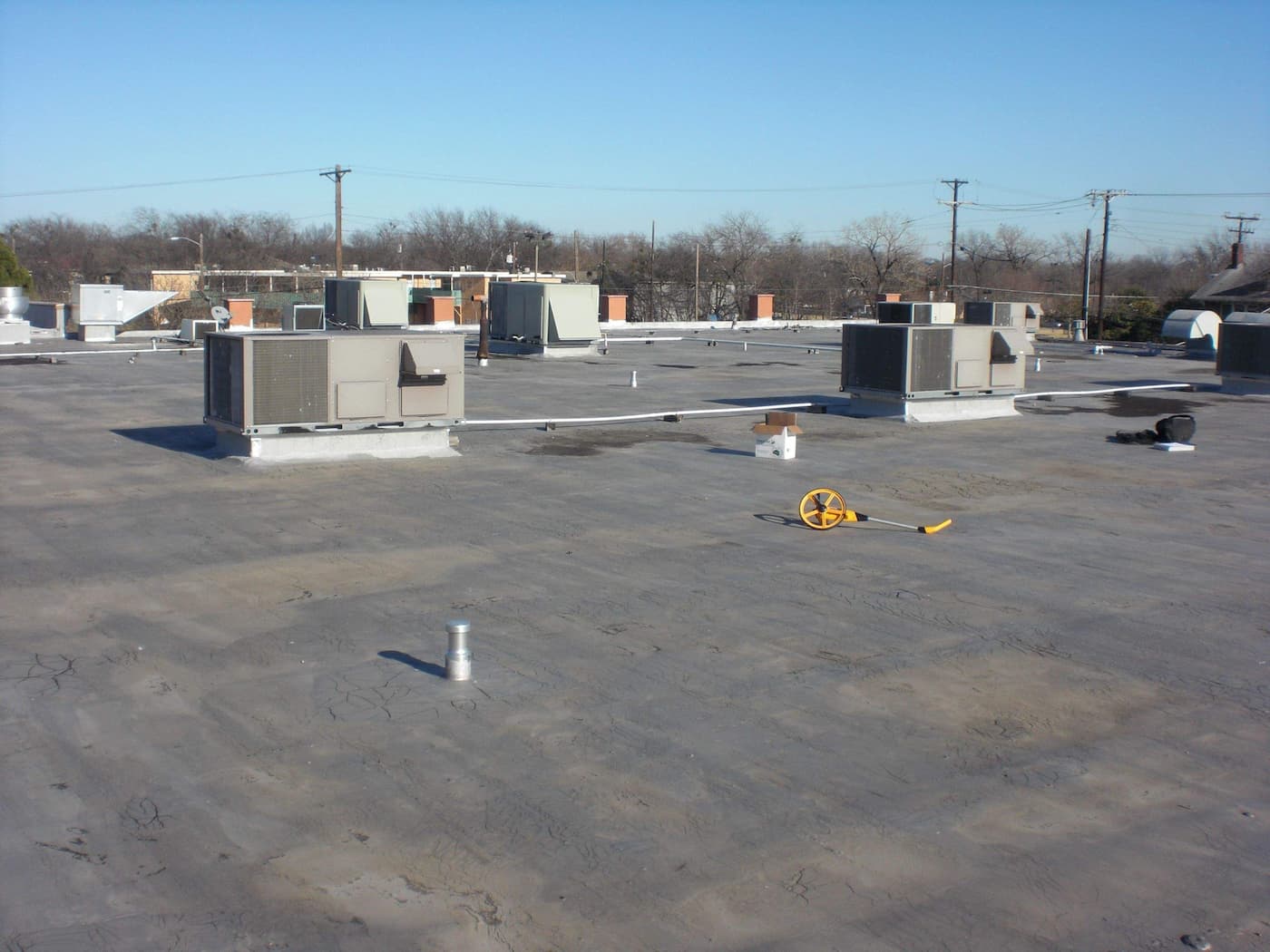
Hail Damage Roof Insurance Claims in West Virginia
Hail bruising on single-ply membrane and metal panels is easy to miss from the ground. We document impact patterns for the claim.
→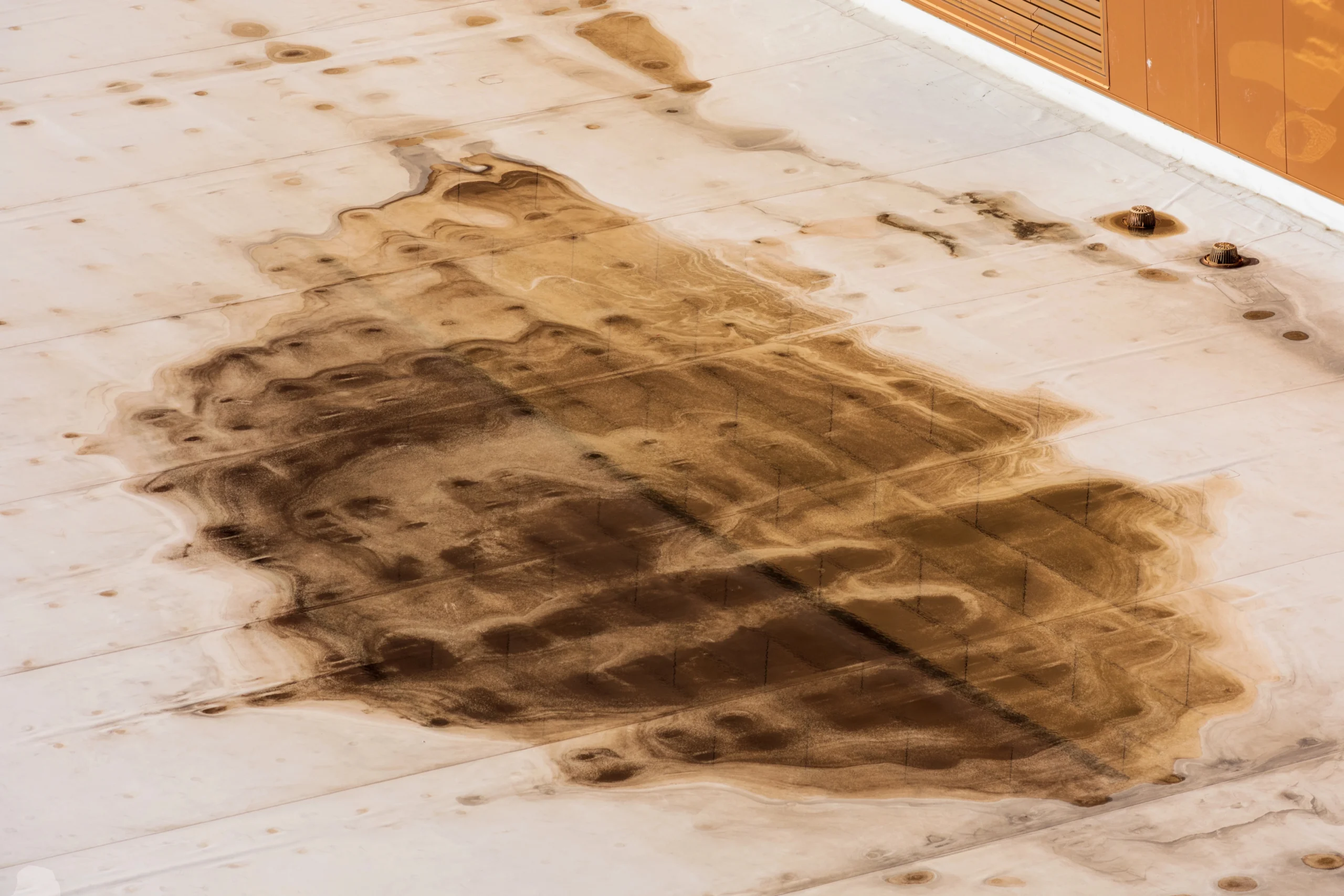
Wind and Storm Damage Roof Insurance Claims in West Virginia
Wind uplift, torn flashing, and displaced edge metal from severe thunderstorms and derecho-line winds, documented for the claim.
→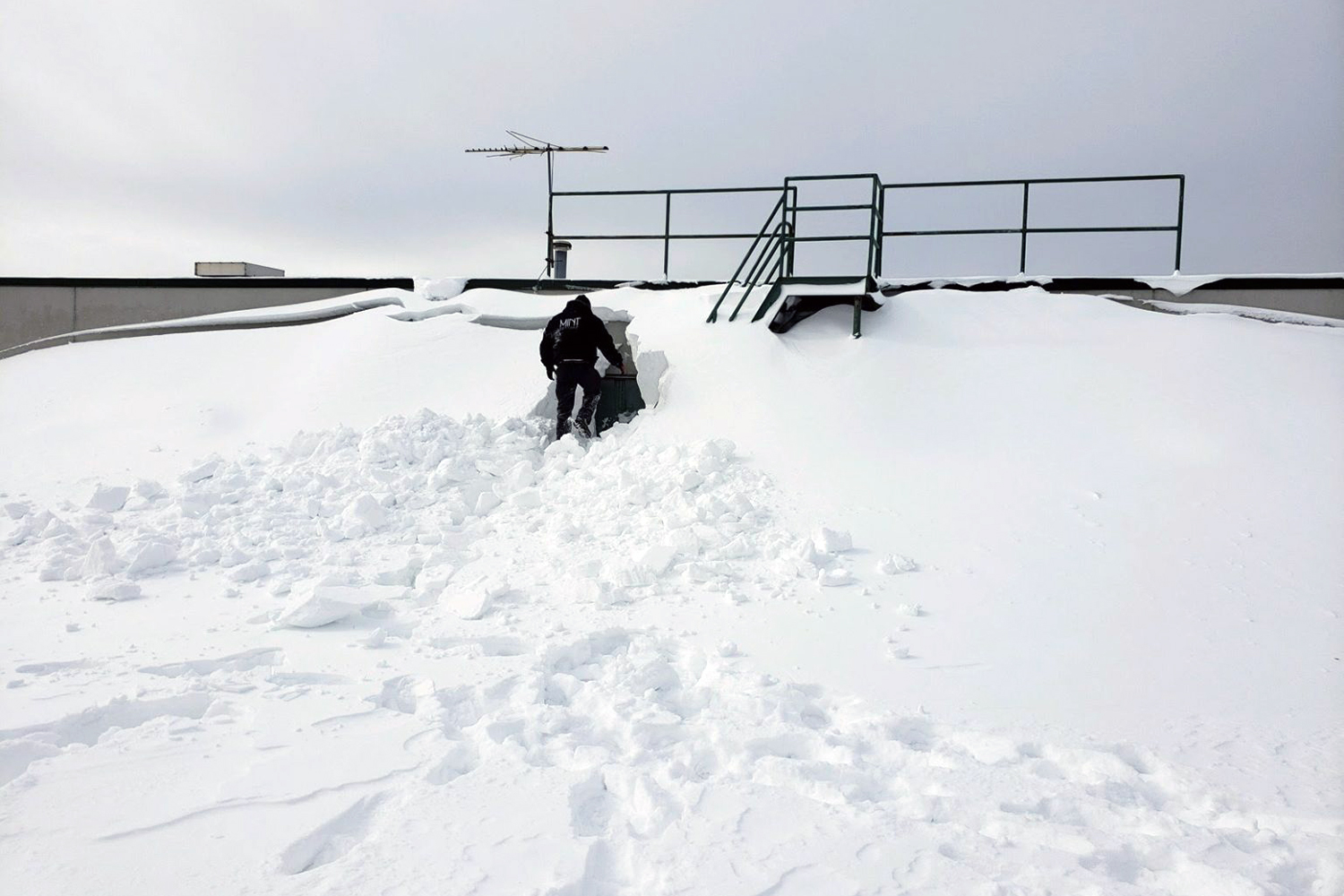
Snow and Ice Roof Damage Insurance Claims in West Virginia
Mountain snow load and freeze-thaw cycles stress flat commercial roofs differently than steep residential roofs. We document both.
→