
The call usually comes in after a storm has already moved through the Kanawha Valley or up the Ohio River corridor: a facility manager found a stain on a ceiling tile, a maintenance tech spotted torn membrane at a parapet, or an insurance adjuster is already scheduled to walk the roof in three days. Before any of that conversation goes further, the roof needs an honest inspection from someone who works on commercial buildings for a living, not a guess based on what is visible from the parking lot.
A commercial roof insurance claim in West Virginia rests on documentation, and documentation is a roofing job, not a paperwork job. We climb the roof, walk every section, and record what is actually there: hail bruising on single-ply membrane, torn or lifted flashing at parapets and curbs, granule loss on modified bitumen, displaced coping metal, and the interior evidence that traces a leak back to its source. Photos are timestamped and located to specific roof areas. Measurements are taken with the same tools an adjuster expects to see referenced in a scope. Moisture readings get recorded where wet insulation is suspected, because a roof that looks fine from the surface can still be holding water underneath.
West Virginia's commercial roof stock is not uniform, and a claim scope has to reflect that. Kanawha Valley industrial and chemical-processing sites carry rooftop equipment, exhaust systems, and corrosion exposure that change how storm damage shows up and how repairs have to be sequenced around occupied production. University buildings around WVU in Morgantown and Marshall in Huntington often carry older built-up or modified bitumen systems with decades of patch history, which makes separating storm damage from pre-existing wear a real part of the job. Coal-heritage commercial buildings and older downtown storefronts across the state frequently have roofs that were never drawn to current code, so a claim has to account for what code-compliant repair actually requires, beyond simply what was there before the storm.
Terrain plays a role too. West Virginia's hollows and ridgelines route wind and water differently than flat ground, and a roof tucked against a ridge can take wind loading from a different direction than the surrounding valley. Drainage on a roof built into a hillside site often relies on internal drains or scuppers set up for a specific water path, and storm damage that disrupts that path can cause secondary water damage well after the wind or hail event that started the claim.
What a Complete Claim Scope Requires
An insurance carrier is comparing what happened to the roof against a policy and a set of exclusions, and the adjuster assigned to the claim is usually managing a large caseload after any regional storm event. A scope that is vague, incomplete, or missing photo evidence gets challenged or trimmed. A scope that documents membrane type, roof age, existing wear versus fresh damage, and code-required upgrades gives the adjuster something concrete to work from.
That means the full picture: the section of roof with the obvious tear, but also the drains, the edge metal, the curb flashing, the rooftop unit curbs, and any area where water could be tracking without a visible surface sign yet. It also means noting where code requires more than a patch: current commercial building code in most West Virginia jurisdictions requires insulation and attachment upgrades on a reroof that a like-for-like repair estimate would miss, and a roof system that is discontinued or unmatched may require broader replacement to remain compliant.
Meeting the Adjuster on the Roof
We schedule our roof walk to align with the adjuster's inspection whenever the timeline allows it. Having a roofing contractor on the roof at the same time as the adjuster means questions about membrane condition, prior repairs, or drainage get answered on the spot instead of through a back-and-forth of photos and phone calls later. We point out what we found during our own inspection, walk the adjuster to specific damage locations, and provide our documentation as a reference alongside whatever the adjuster's own inspection produces.
Denied and Underpaid Claims
Sometimes a claim comes back denied outright, or approved at a scope that only covers a partial repair when the roof condition calls for more. When that happens, we go back to our original documentation and identify what may have been missed or undervalued: additional damage locations, code-upgrade requirements that were not priced into the original scope, or matching issues where a discontinued membrane or metal profile means a full section, not a patch, is the only way to restore the roof to a uniform, weathertight condition. We put that additional documentation together so the owner and their adjuster have accurate information to work from.
Repair or Replacement
Not every storm-related claim ends in a full roof replacement, and we do not push toward the larger scope by default. If the damage is isolated and the surrounding roof is sound, a targeted repair backed by clear documentation is the honest answer. If the roof is older, the membrane is discontinued, or the damage pattern spreads across enough of the roof that patch repairs would leave weak points, we say so and explain why. The goal on every claim is a scope that matches the actual condition of the roof, not the smallest number or the largest one.
Q&A
Questions about Commercial Roof Insurance Claims
Does commercial property insurance cover roof replacement in West Virginia?
Most commercial property policies cover storm-related roof damage from hail, wind, and other named perils, subject to the policy's specific exclusions and any age or wear limitations. Whether the covered scope is a repair or a full replacement depends on the extent and pattern of the damage, which is why detailed roof documentation matters.
What does a roofing contractor do differently than a public adjuster?
We inspect the roof, document the damage with photos and measurements, and produce a contractor-based scope that shows the true extent of the repair needed, including code-required upgrades and matching issues. We are your roofing contractor, not a public adjuster - we document and substantiate the roof damage so you and your adjuster work from an accurate scope.
How soon after storm damage should the roof be inspected?
As soon as it is safe to do so. An early inspection catches damage before secondary leaks or additional wear complicate the picture, and it puts documentation in hand before an adjuster visit is scheduled.
What happens if a claim is denied or the approved scope seems too small?
We review our original roof documentation against the denial or the approved scope and identify anything that was missed or undervalued, then prepare additional documentation the owner can bring back to their adjuster or carrier.
Can the building stay open during the claim process?
In most cases, yes. We can install temporary protection to stop active leaks while documentation and approvals move forward, then phase permanent repair work around the building's operating schedule.
Related Roof Decisions
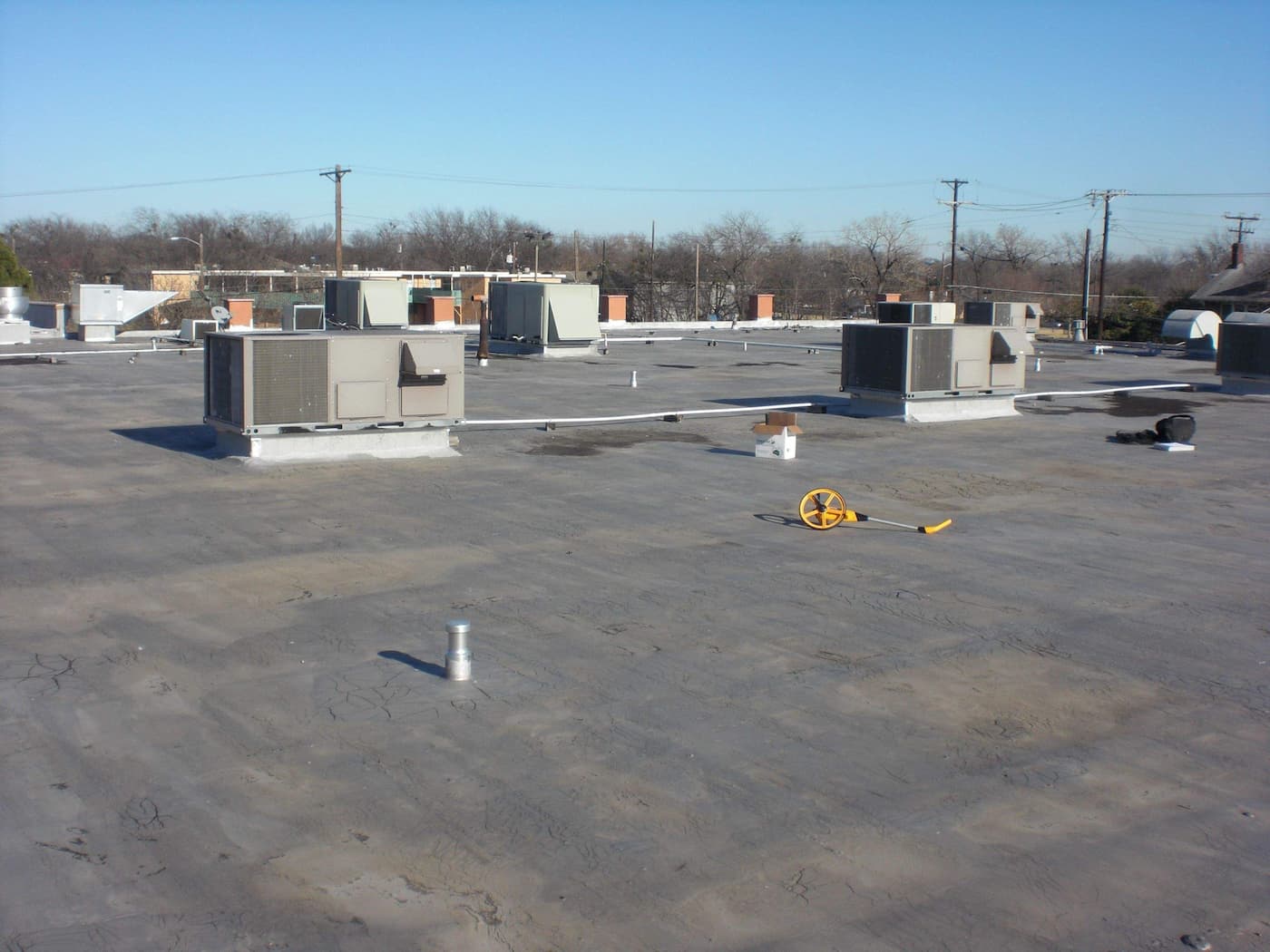
Hail Damage Roof Insurance Claims in West Virginia
Hail bruising on single-ply membrane and metal panels is easy to miss from the ground. We document impact patterns roof-by-roof for the claim.
→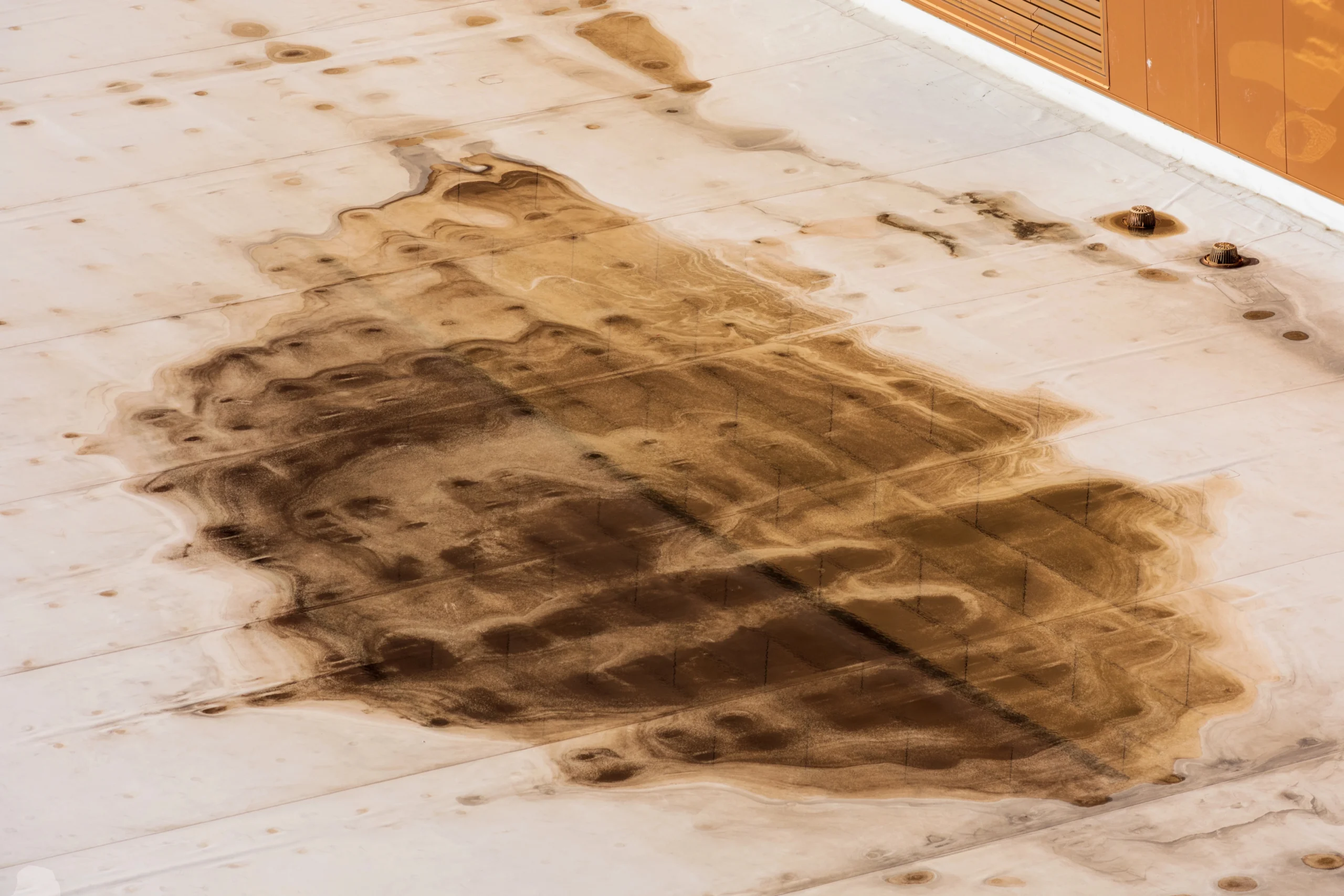
Wind and Storm Damage Roof Insurance Claims in West Virginia
From derecho-line winds to routine severe thunderstorms, we document uplift, torn flashing, and displaced edge metal for the claim file.
→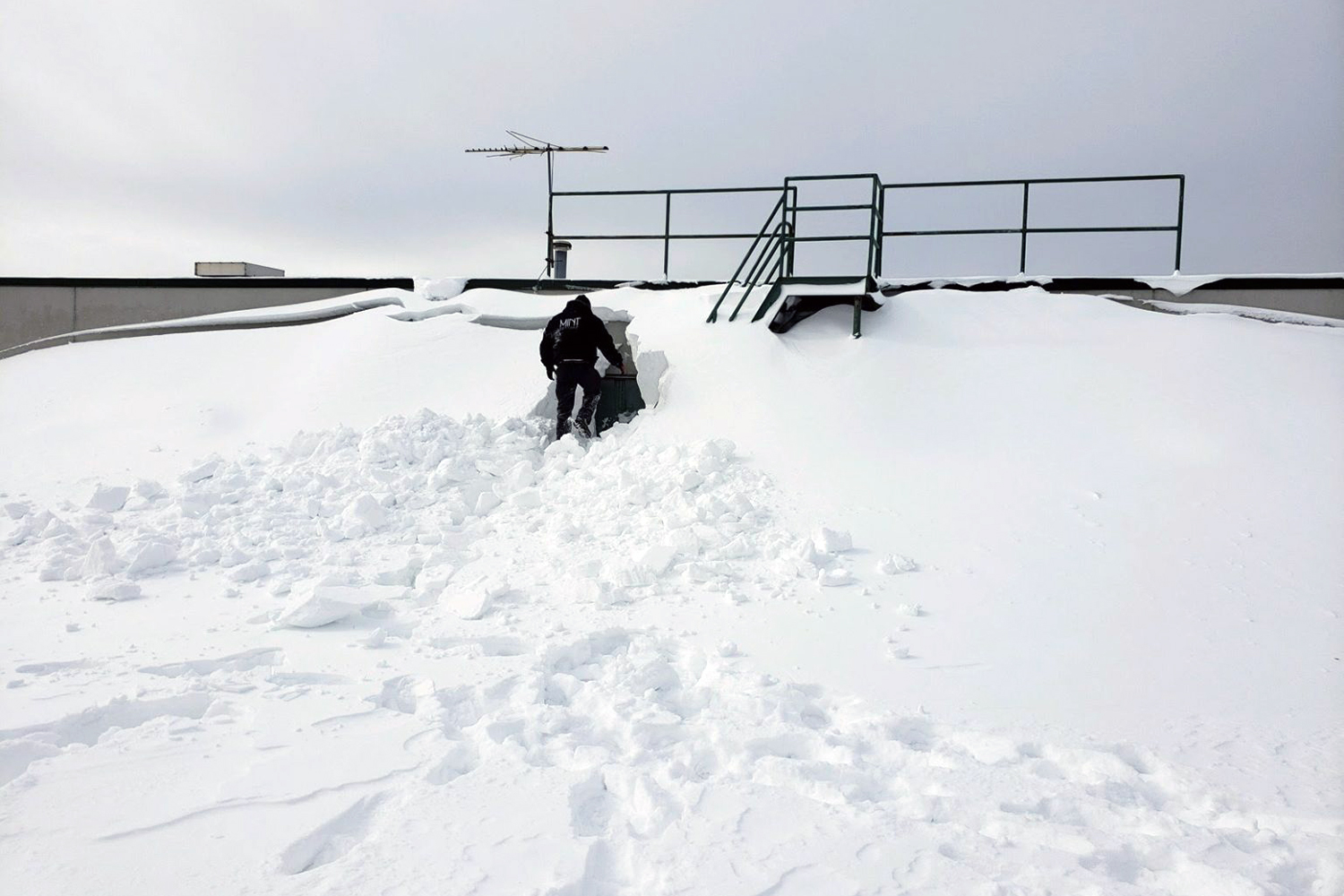
Snow and Ice Roof Damage Insurance Claims in West Virginia
Mountain snow load and freeze-thaw cycles stress flat commercial roofs differently than steep residential roofs. We document both.
→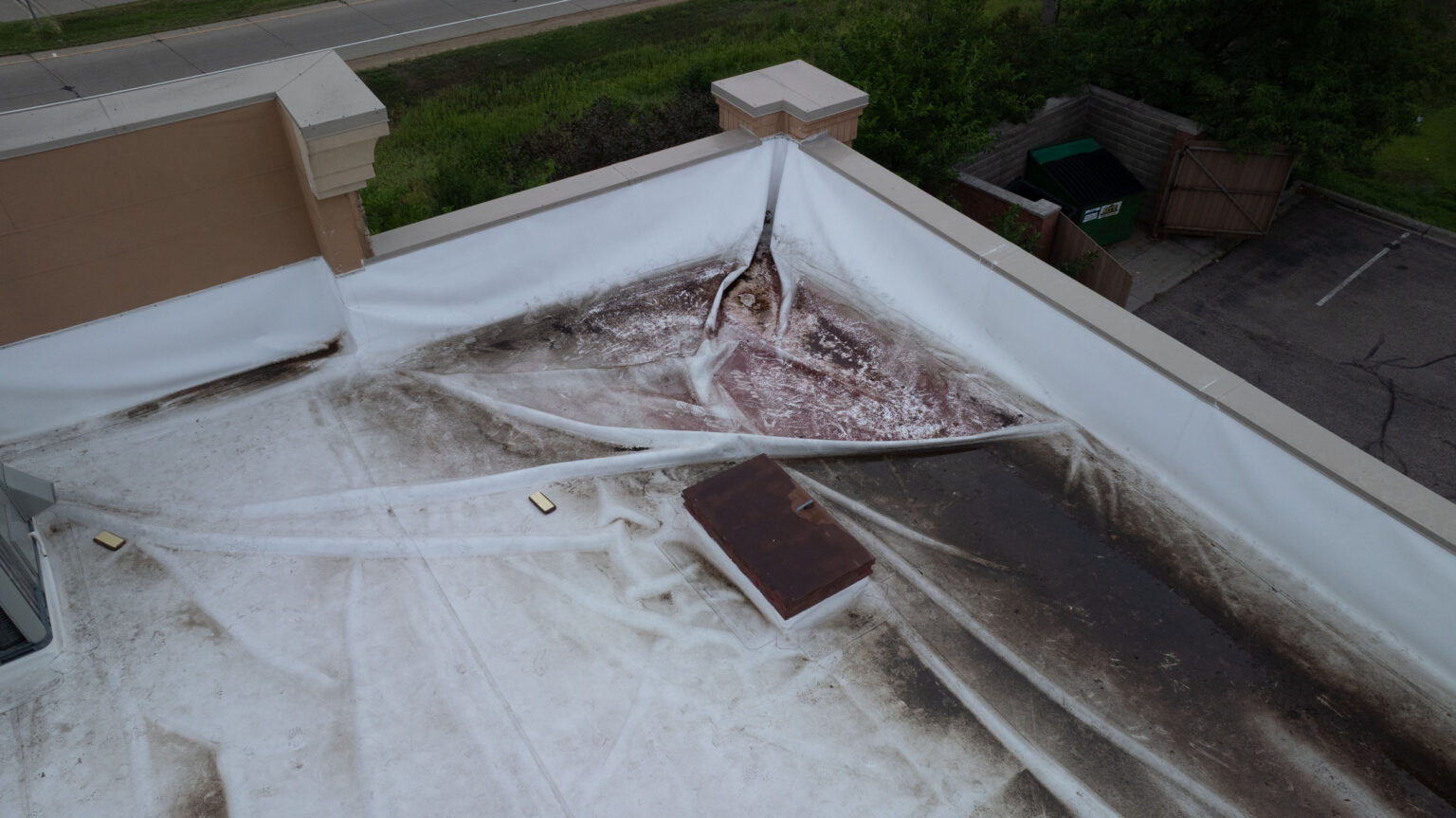
Insurance Claim Coordination in West Virginia
Ongoing roof-side coordination through the life of a claim, from first inspection through adjuster walk to final repair sign-off.
→