
Spring and summer convective storms move through the Ohio Valley and up into the Kanawha and Monongahela valleys most years, and some of those storm cells carry hail. A hail event that leaves dented siding and cracked windshields in a parking lot can also leave a commercial roof with damage that is nearly invisible from the ground, and that gap between visible and actual damage is where claims go wrong if the roof was never inspected by someone trained to read it.
Hail does not damage every roof system the same way. On TPO, PVC, and EPDM single-ply membranes, hail impact shows up as bruising - soft spots where the membrane has been compressed against the insulation below without necessarily tearing the surface. That bruising can go unnoticed in a walk-through and still lead to a leak months later as the compressed area works and cracks under thermal cycling. On metal panel roofs common on warehouses and light-industrial buildings across the state, hail leaves visible dents and, at a large enough size, can compromise the panel's finish and long-term corrosion resistance. On modified bitumen and built-up roofs, hail can knock granules loose and expose the underlying asphalt to UV, a form of damage that shortens roof life without an obvious hole appearing right away.
Why Hail Claims Get Disputed
Hail claims are disputed more often than wind claims because the damage is subtler and because roof age becomes a bigger factor in the conversation. An adjuster or engineer reviewing a hail claim is often looking for a specific pattern: randomly distributed impacts consistent with a storm track, versus wear that looks more like age-related granule loss or mechanical damage from foot traffic and maintenance equipment. Getting that distinction right requires a roof-by-roof inspection, not a satellite hail-swath report. We document impact locations across the full roof, note membrane type and approximate age, and photograph representative impact sites next to a scale reference so the pattern is clear in the claim file.
Mapping the Whole Roof, Not the Worst Section Alone
A thorough hail inspection covers the whole roof, beyond the section a maintenance tech happened to notice from a rooftop unit access ladder. We walk the field, the perimeter, and every penetration - rooftop units, curbs, pipe boots, skylights - because hail impact at a flashing detail or a unit curb can cause a leak faster than the same impact in the open field of the membrane. Drains and scuppers get checked too, since hail-driven debris and granule loss can partially block drainage and create ponding that compounds the original damage over the following weeks.
What Goes Into the Claim Documentation
Our hail documentation package includes dated, located photographs of impact sites, membrane type and estimated roof age, a description of the storm event where available, and a written assessment separating storm-related damage from pre-existing wear. Where the damage pattern and roof condition support it, we also note where a full section replacement is the only way to restore uniform, warrantable coverage instead of patching individual impact sites, since a patched membrane with dozens of small repairs is rarely the outcome an owner or a carrier actually wants.
Working With the Adjuster
Hail claims move faster when the roofing contractor's inspection happens close to the adjuster's own visit, ideally on the same day. We walk the adjuster through what we found, point to specific impact locations, and provide our documentation as a reference. We are your roofing contractor on this claim, not a public adjuster - our job is to document and substantiate what the hail did to the roof so you and your adjuster are working from the same accurate picture, not to negotiate the settlement itself.
After the Claim Is Approved
Once a scope is approved, we sequence repair or replacement work to keep the building operating, coordinate any temporary protection needed in the meantime, and match materials to the existing roof system wherever the manufacturer and code allow, so the finished roof performs as a single, uniform assembly rather than a patchwork of different-age repairs.
Q&A
Questions about Hail Damage Roof Insurance Claims
How can I tell if my commercial roof has hail damage?
Hail bruising on single-ply membrane and granule loss on modified bitumen are usually not visible from the ground or even from a casual roof walk. A roof inspection that includes physical checks at representative locations, beyond a visual scan alone, is the reliable way to confirm hail damage.
Does a small dent in metal roofing panels mean the whole roof needs replacement?
Not necessarily. Isolated cosmetic dents may not affect performance, but larger or more numerous impacts can compromise the panel finish and corrosion resistance. We assess the pattern and severity before recommending panel repair versus section replacement.
Why do hail claims get denied or underpaid more often than other storm claims?
Hail damage is often subtler than wind damage and can be confused with normal wear, especially on older roofs. Claims supported by dated, located photo documentation and a clear separation of storm damage from pre-existing condition hold up better under review.
Do you file the insurance claim for hail damage?
No. We inspect the roof, document the hail damage, and provide that documentation to support your claim. Filing the claim and negotiating the settlement are between you and your insurance carrier or your public adjuster if you have one.
How long after a hail storm can damage still be documented?
Hail bruising and granule displacement remain identifiable well after the storm, but earlier inspection is better - it reduces the chance that secondary leaks or additional weathering complicate the picture before documentation is complete.
Related Roof Decisions
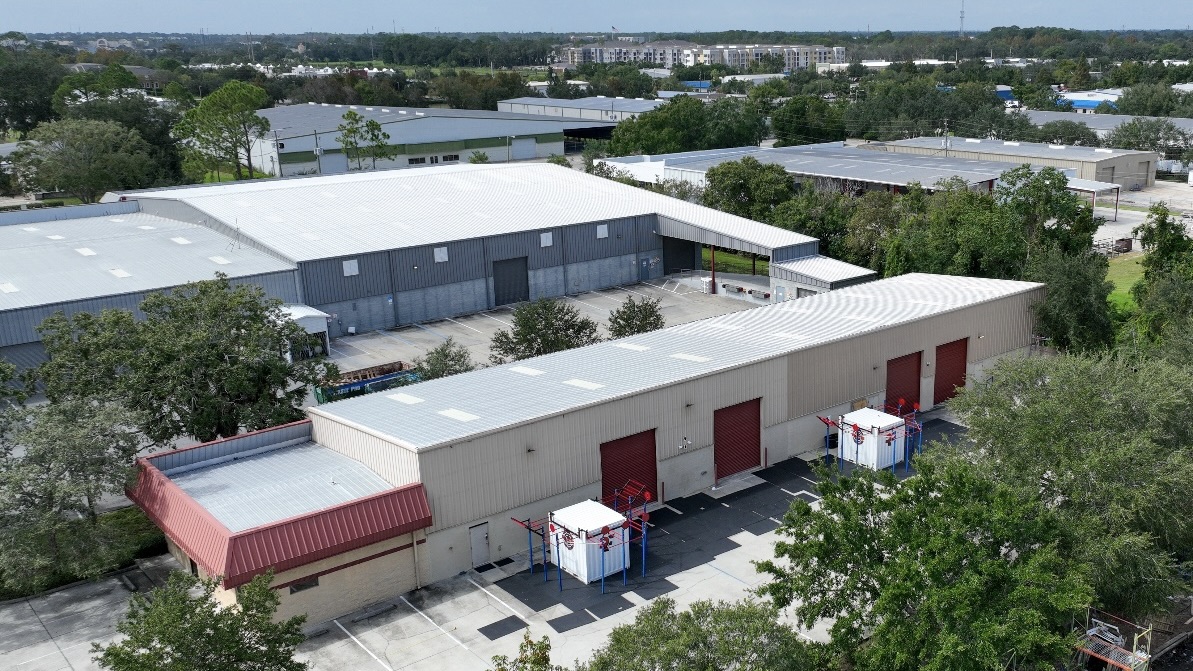
Commercial Roof Insurance Claim Assistance in West Virginia
The full picture of what a commercial roof insurance claim requires, from first inspection through adjuster walk to repair.
→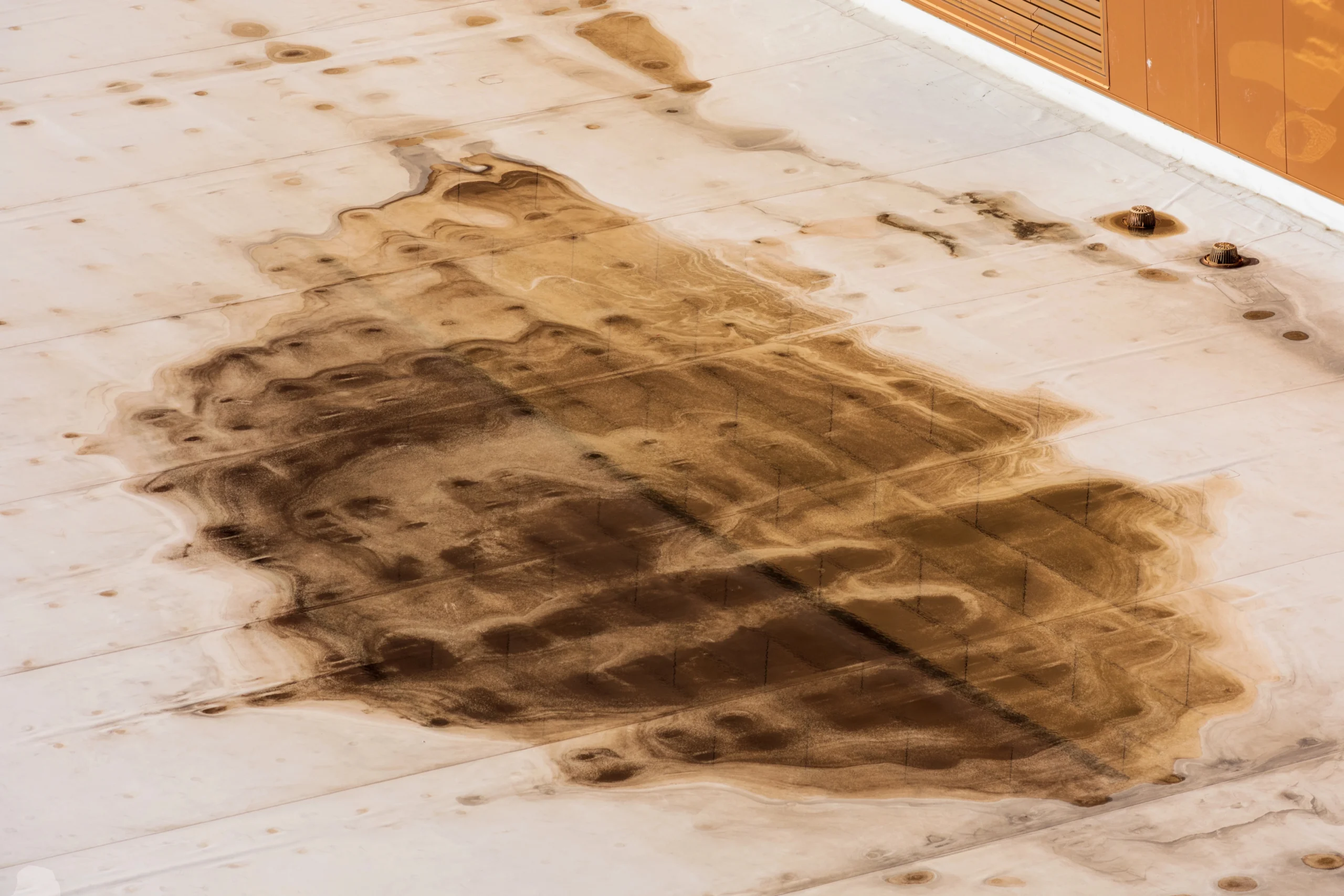
Wind and Storm Damage Roof Insurance Claims in West Virginia
Wind uplift, torn flashing, and displaced edge metal from severe thunderstorms and derecho-line winds, documented for the claim.
→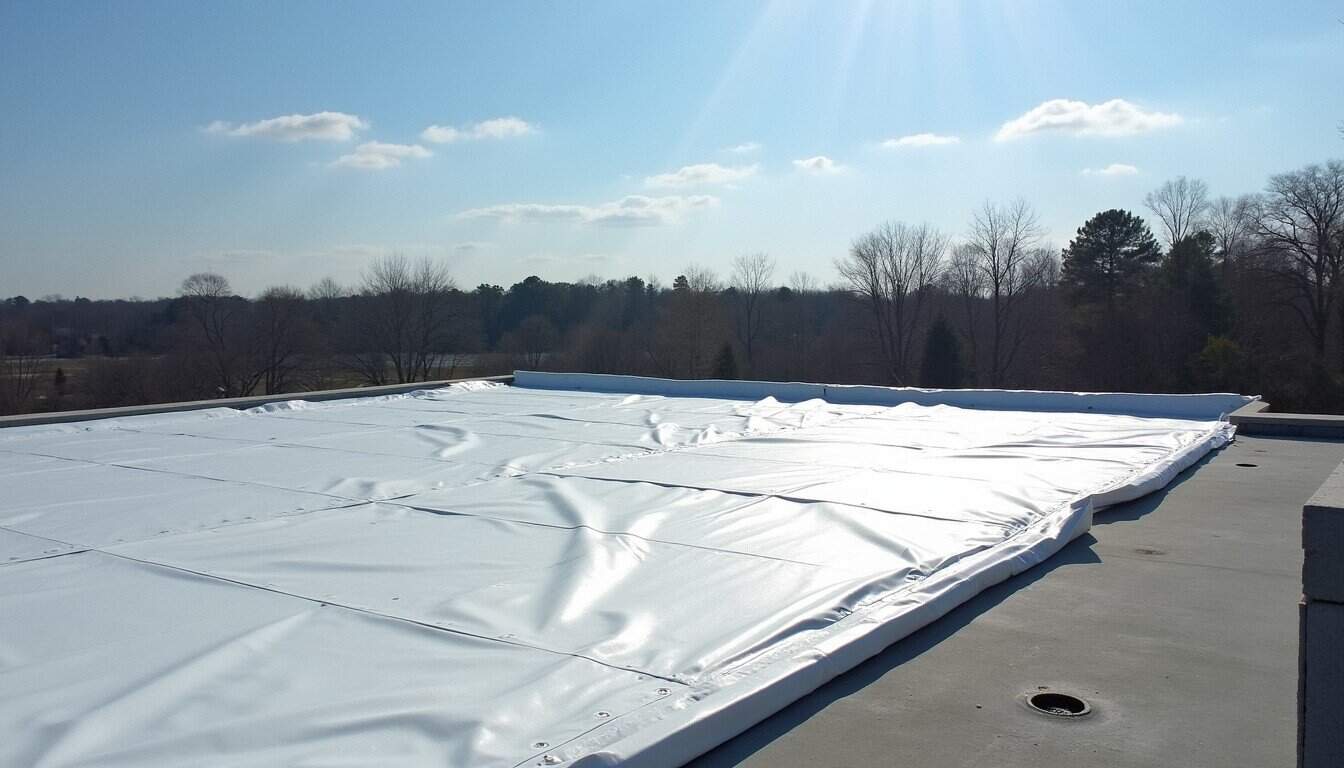
Storm Damage Roof Repair in West Virginia
Repair work that follows a storm claim, sequenced to keep the building operating while the roof is restored.
→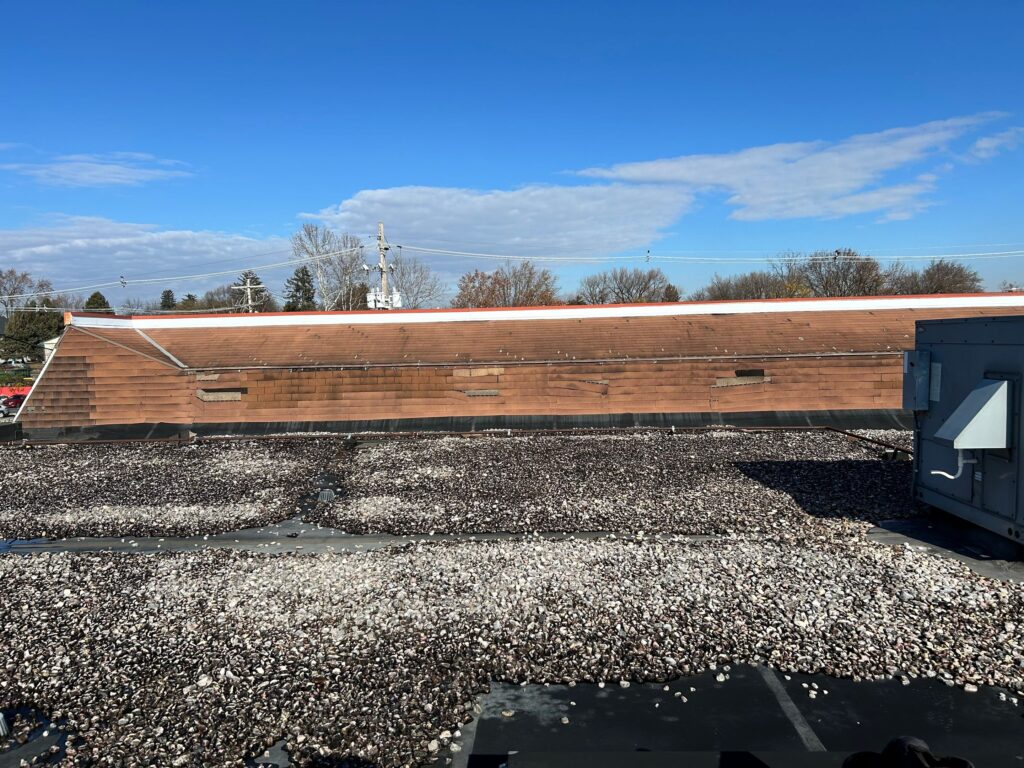
Emergency Tarp and Dry-In in West Virginia
Temporary protection to stop active leaks while hail damage documentation and claim approval move forward.
→