
West Virginia's severe weather season brings the usual mix of spring and summer thunderstorm lines, but the state has also seen what a fast-moving derecho can do to commercial roofs. The June 2012 derecho pushed a line of damaging straight-line winds across the state, knocked out power for days across much of the Kanawha Valley and beyond, and left commercial roofs with torn membrane, lifted edge metal, and displaced rooftop equipment in its path. Most years the wind events are smaller - a severe thunderstorm line, a squall ahead of a cold front, gusts funneled by a ridge - but the roof damage mechanics are the same, and the claim documentation needs are the same.
Wind damage on a commercial roof concentrates at predictable locations: parapet edges and corners, where uplift pressure is highest; mechanical curbs and rooftop unit flashing, where wind can work a seam loose; and any area where a prior repair left a seam or fastener pattern that was not built to current wind-uplift standards. A membrane that looks intact from the ground can have a compromised seam at a parapet that only becomes obvious once water starts tracking into the building below.
How Terrain Changes Wind Exposure
West Virginia's ridge-and-hollow terrain does not distribute wind the way flat ground does. A roof sited along a ridge or in a wind-funneling gap between hills can see gust patterns that a nearby valley roof does not, even during the same storm system. That matters for a claim because two buildings a short distance apart may show very different damage from the same weather event, and a documentation package needs to reflect the actual conditions at that specific roof rather than a generic regional description of the storm.
What We Document After a Wind Event
Our post-storm inspection covers the whole roof perimeter first, since that is where wind damage concentrates, then moves to the field and every penetration. We photograph lifted or torn membrane, displaced or bent coping and edge metal, damaged or dislodged rooftop units and curbs, and any interior water evidence that traces back to a specific roof-level cause. We note the membrane type, the fastening or adhesion method where it is visible, and whether the damage pattern is consistent with straight-line wind, a more localized gust event, or damage that predates the storm. That last distinction matters on older roofs with a history of patch repairs, where separating fresh wind damage from long-standing wear is part of building a scope the adjuster can act on.
Meeting the Adjuster on Site
When the timeline allows, we schedule our inspection to align with the adjuster's roof walk. Having a contractor familiar with the specific roof present during that visit means questions about attachment method, prior repair history, or drainage get answered directly instead of getting lost in a chain of follow-up calls. We share our documentation and point out damage locations, and the adjuster's own assessment proceeds with that context in hand. We are your roofing contractor, not a public adjuster - we document and substantiate the wind damage so you and your adjuster are working from an accurate, complete scope, not a partial one.
Repair Scope and Code Considerations
Wind damage repair on commercial roofs often intersects with current wind-uplift code requirements, which can call for upgraded fastening patterns or attachment methods that were not present on the original roof. Where that applies, we note it in the scope so the claim reflects what a compliant repair actually requires, rather than a like-for-like patch of the damaged section. On roofs where wind damage is scattered across a wide enough area, or where the membrane is old enough that matching a patch to the surrounding material is not realistic, we explain why a broader repair or full section replacement is the more honest path.
Q&A
Questions about Wind and Storm Damage Roof Insurance Claims
Does insurance cover wind damage to a commercial roof in West Virginia?
Most commercial property policies cover wind damage as a named peril, subject to the policy's specific terms and exclusions. Whether the covered scope is a targeted repair or a larger replacement depends on how widespread and severe the damage is, which is why a full roof inspection matters before a claim is filed.
Where does wind damage usually start on a commercial roof?
Parapet edges, corners, and rooftop unit curbs typically see the highest uplift pressure and are the first places we inspect after a wind event, followed by the field of the membrane and every penetration.
Was the 2012 derecho the kind of event that would trigger a roof insurance claim?
Yes. Straight-line wind events like the June 2012 derecho are exactly the kind of storm that damages membrane, flashing, and rooftop equipment enough to warrant a documented insurance claim, and the same inspection and documentation process applies to smaller, more routine severe thunderstorm events.
Can wind damage be present without a visible hole or tear in the roof?
Yes. A seam can be partially opened or a fastening pattern loosened by wind without a visible tear, and that kind of damage often does not leak until a later rain event, which is why a physical inspection after any significant wind event is worth doing even if there is no obvious sign yet.
Do you negotiate with the insurance company on wind damage claims?
No. We inspect the roof and provide documentation that supports the claim. Filing the claim and negotiating the settlement are between the owner and the insurance carrier, or a public adjuster if the owner has retained one.
Related Roof Decisions
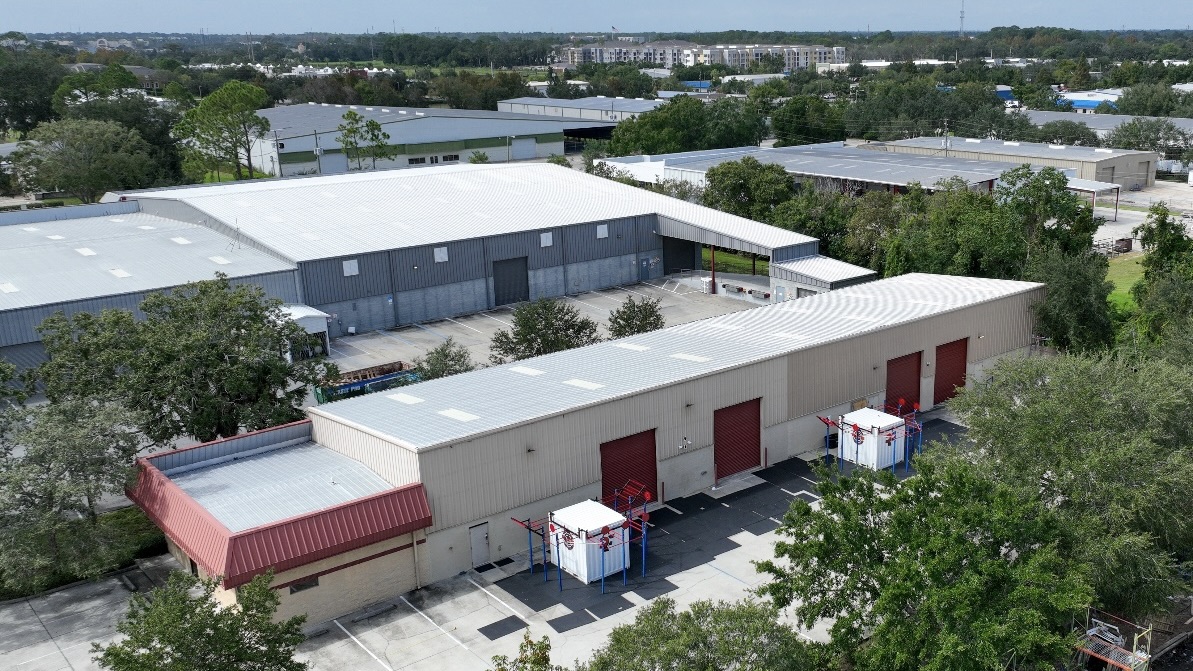
Commercial Roof Insurance Claim Assistance in West Virginia
The full picture of what a commercial roof insurance claim requires, from first inspection through adjuster walk to repair.
→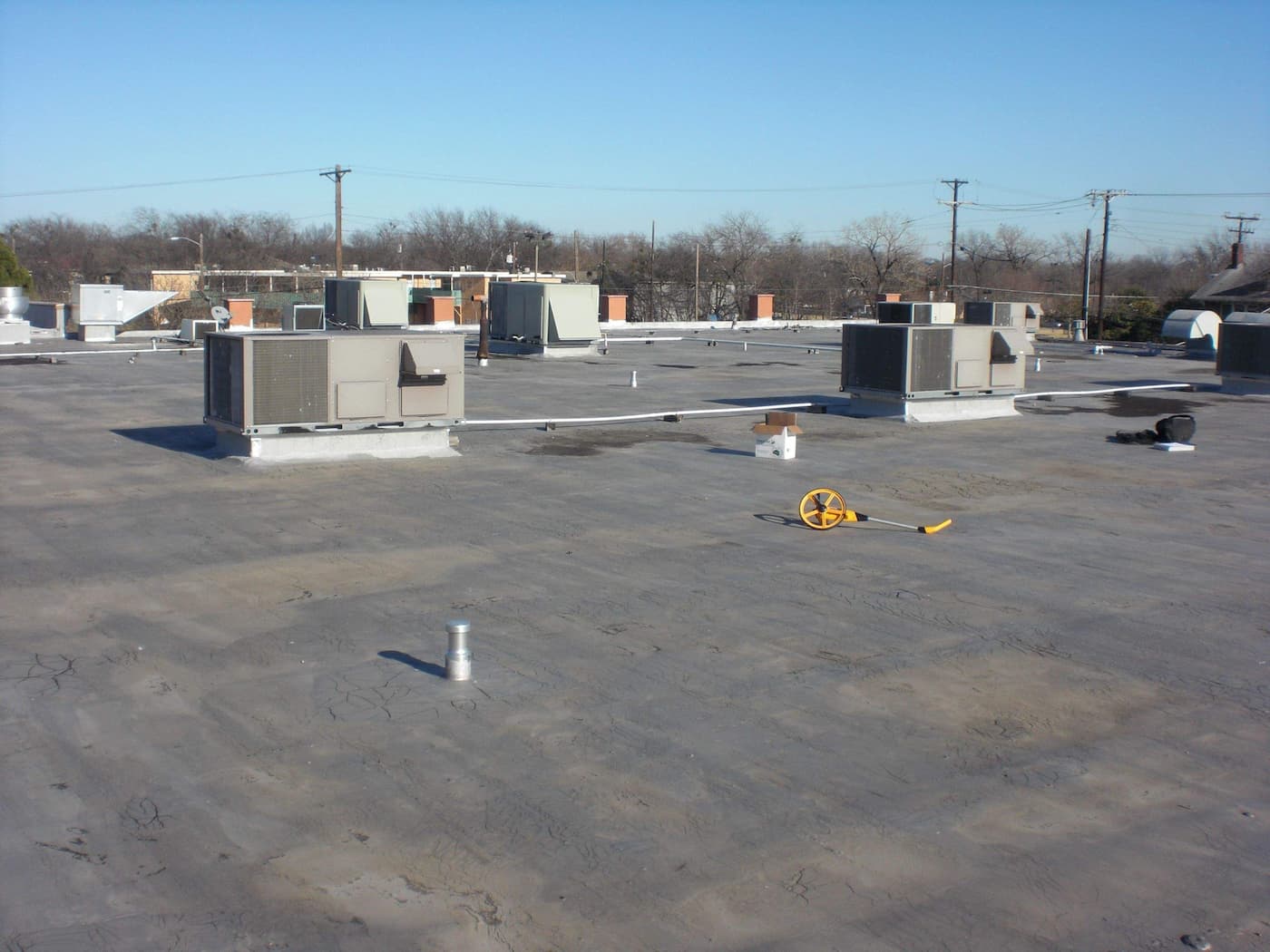
Hail Damage Roof Insurance Claims in West Virginia
Hail bruising and granule loss are easy to miss from the ground. We document impact patterns roof-by-roof for the claim.
→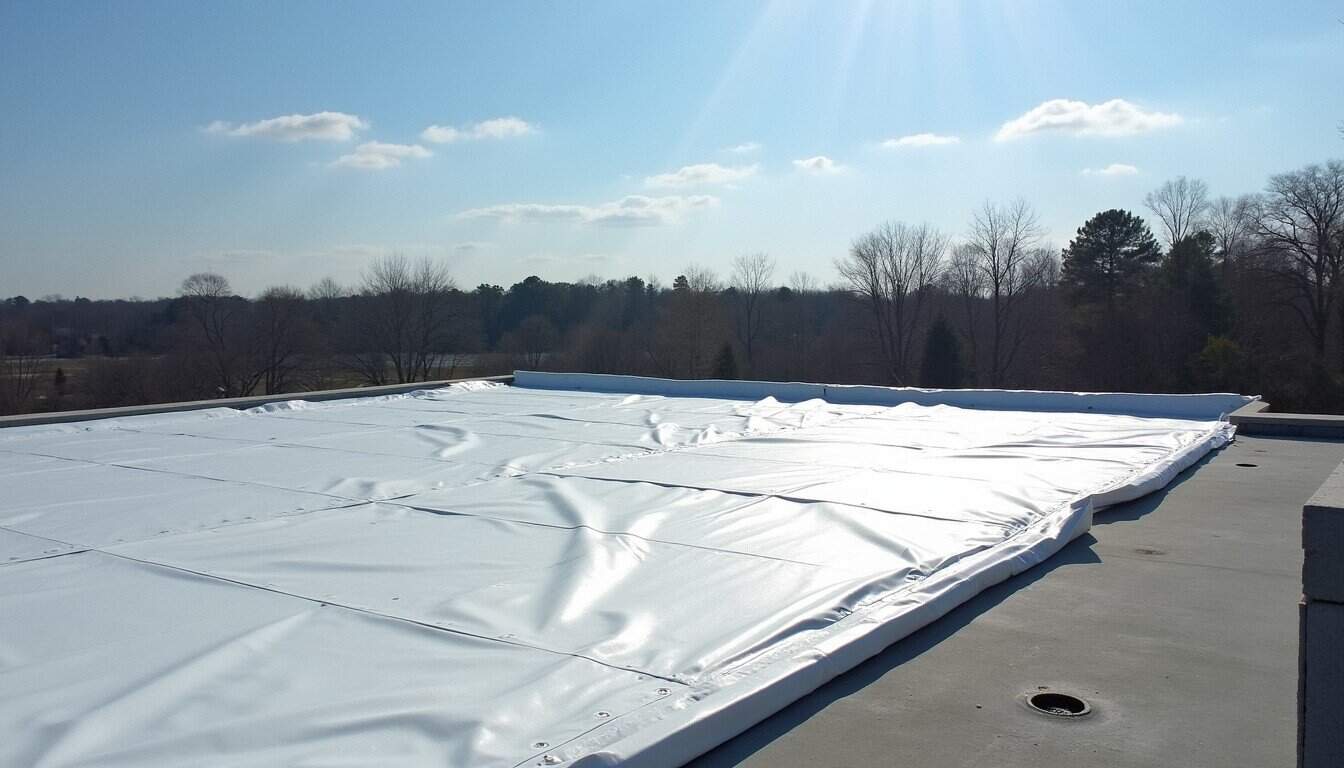
Storm Damage Roof Repair in West Virginia
Repair work that follows a wind or storm claim, sequenced to keep the building operating while the roof is restored.
→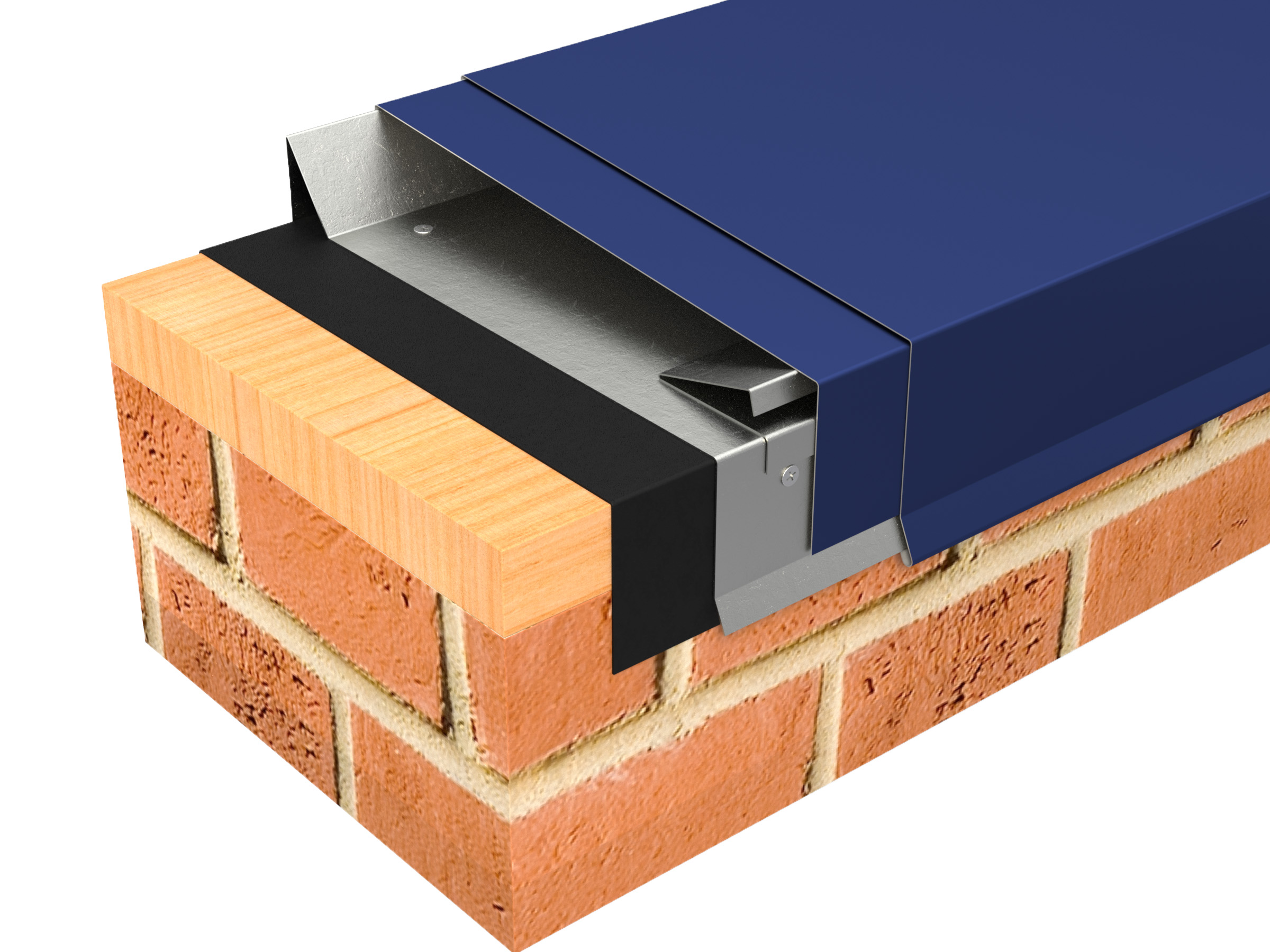
Edge Metal, Coping and Gutters in West Virginia
Perimeter edge metal and coping take the highest wind-uplift pressure on a commercial roof - repair and replacement done to spec.
→