
Winter in West Virginia is not the same storm-to-storm or building-to-building. A roof in the mountains around the eastern counties can carry a full winter's worth of accumulated snow load while a roof down in the Kanawha Valley at Charleston sees more freeze-thaw cycling than sustained snowpack. Both patterns stress a flat or low-slope commercial roof, just differently, and both can produce insurance claims that need a roofing contractor's documentation, rather than a guess about what the weather did.
Snow load is the more straightforward risk to explain and the harder one to see coming: enough accumulated weight on a roof deck can strain structural members, especially on older buildings or roofs that have already taken on wet insulation from a prior leak. A roof deck under sustained load can develop deflection or, in a worst case, localized structural distress that shows up as interior cracking, door and window misalignment, or visible sagging at the roofline. We inspect for those signs directly, in addition to the roof membrane, because a snow-load claim is often as much about the structure underneath as the surface.
Freeze-Thaw and Ice Dams on Flat Roofs
Ice dams are usually described as a steep-roof residential problem, but flat and low-slope commercial roofs get their own version of it. Snow melts unevenly across a roof - faster near rooftop units, mechanical equipment, and warmer interior zones, slower at shaded parapets and north-facing sections - and that meltwater refreezes at drains, scuppers, and roof edges where it can back up under the membrane at a seam or flashing detail. Repeated freeze-thaw cycling works membrane seams and flashing joints loose over a season, and the resulting leak often does not show up until well into a thaw, which makes tracing it back to a specific weather event part of the documentation work.
Where We Look First
Drains and scuppers get checked first, since blocked or iced-over drainage is the most common cause of standing water and ice buildup on a flat commercial roof. From there we check parapet flashing, curb flashing at rooftop units, and any low point in the roof's slope where meltwater naturally collects. On older buildings around Charleston, Huntington, and Morgantown with decades of roof patch history, we also check whether prior repairs were sound enough to handle repeated freeze-thaw movement or whether the ice event exposed a weak point that had been holding on marginally for years.
Documenting a Snow or Ice Claim
Our documentation for a snow or ice damage claim includes interior and exterior photos, drain and scupper condition, membrane and flashing condition at the points where water backed up, and, where structural concern is present, a description of any deflection or distress that warrants a closer engineering review. We separate ice-dam and snow-load damage from ordinary winter wear so the claim reflects what the specific weather event actually did to the roof.
Working With the Adjuster in Winter Conditions
Roof inspections after a snow or ice event sometimes have to wait for conditions to be safe to walk, and we plan around that rather than rushing an inspection that would put a crew at risk. Once conditions allow, we schedule our walk to align with the adjuster's visit where possible, point out the drainage and flashing issues we found, and provide our documentation as a reference. We are your roofing contractor, not a public adjuster - we document and substantiate the snow and ice damage so you and your adjuster are working from an accurate scope, not a guess based on what melted before anyone got a look at the roof.
After the Claim: Repair Sequencing in Cold Weather
Membrane repair work has real temperature limits, and some materials cannot be properly installed in cold conditions. Where a permanent repair has to wait for warmer weather, we install temporary protection to stop active leaks and protect the interior, then sequence the permanent work for a window when the membrane and adhesives can be installed correctly.
Q&A
Questions about Snow and Ice Roof Damage Insurance Claims
Does commercial property insurance cover snow load or ice dam damage?
Most commercial policies cover weight-of-ice-and-snow damage and resulting water damage, subject to the policy's specific terms. Structural distress from sustained snow load may involve additional review, which is why documenting both the roof surface and any signs of structural strain matters.
How is ice dam damage different on a flat commercial roof versus a sloped residential roof?
On a flat or low-slope commercial roof, meltwater backs up at drains, scuppers, and parapet edges instead of at a roof eave, and it can work under the membrane at a seam rather than under shingles. The documentation approach is roof-specific rather than a generic residential ice-dam assessment.
Can a roof be inspected safely right after a heavy snow or ice event?
Sometimes conditions require waiting until snow and ice are stable enough to walk safely. We plan the inspection around safe access rather than rushing it, and we can install temporary interior protection in the meantime if there is an active leak.
What if the leak doesn't show up until weeks after the snow melted?
That is common with freeze-thaw damage, since a loosened seam or flashing joint may not leak until a later rain or thaw event. We document the roof condition at the drainage points and flashing details that are consistent with ice-dam stress, connecting the delayed leak back to the winter event.
Do you handle the claim negotiation for snow and ice damage?
No. We inspect the roof, document the snow and ice damage, and provide that documentation to support the claim. Filing the claim and negotiating the settlement are between you and your insurance carrier.
Related Roof Decisions
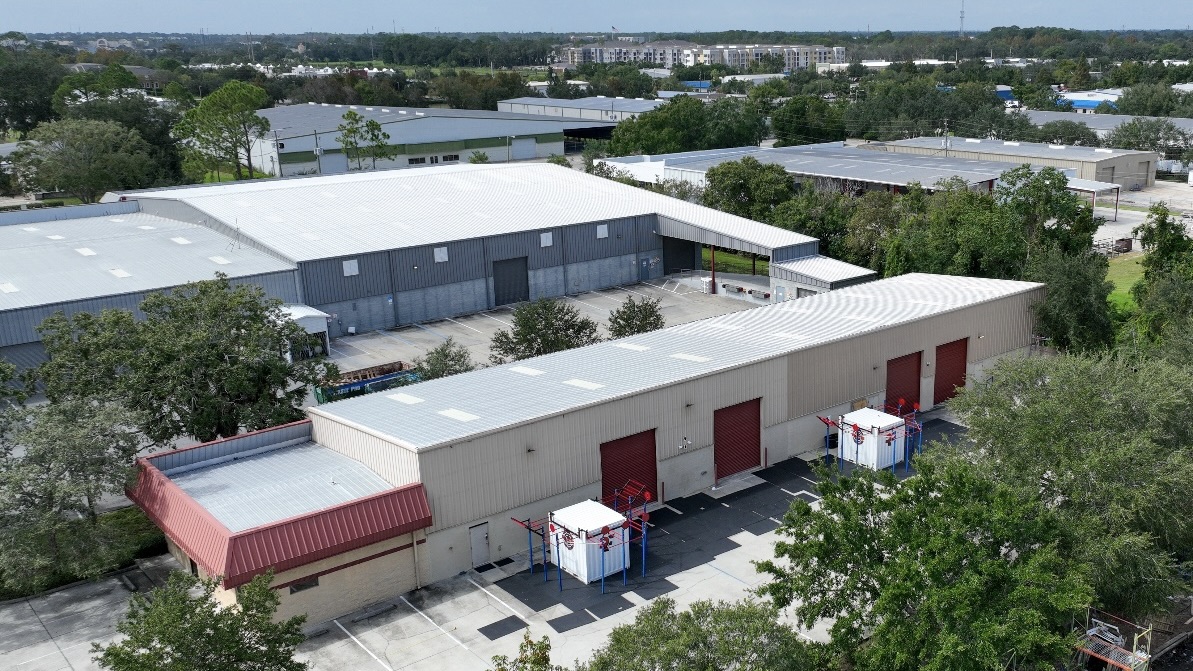
Commercial Roof Insurance Claim Assistance in West Virginia
The full picture of what a commercial roof insurance claim requires, from first inspection through adjuster walk to repair.
→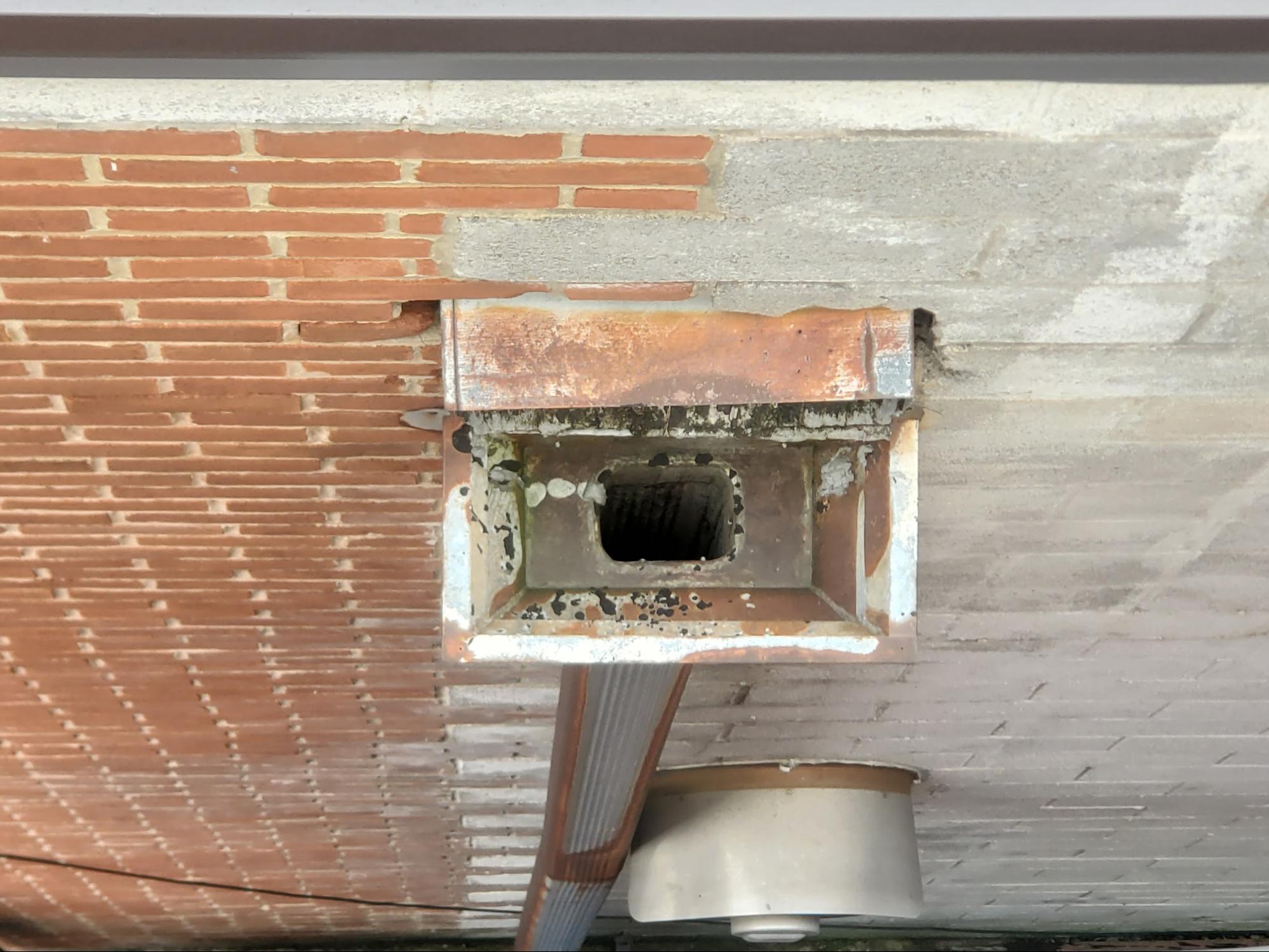
Roof Drains and Scuppers in West Virginia
Blocked or iced-over drainage is the most common cause of standing water and ice buildup on a flat commercial roof.
→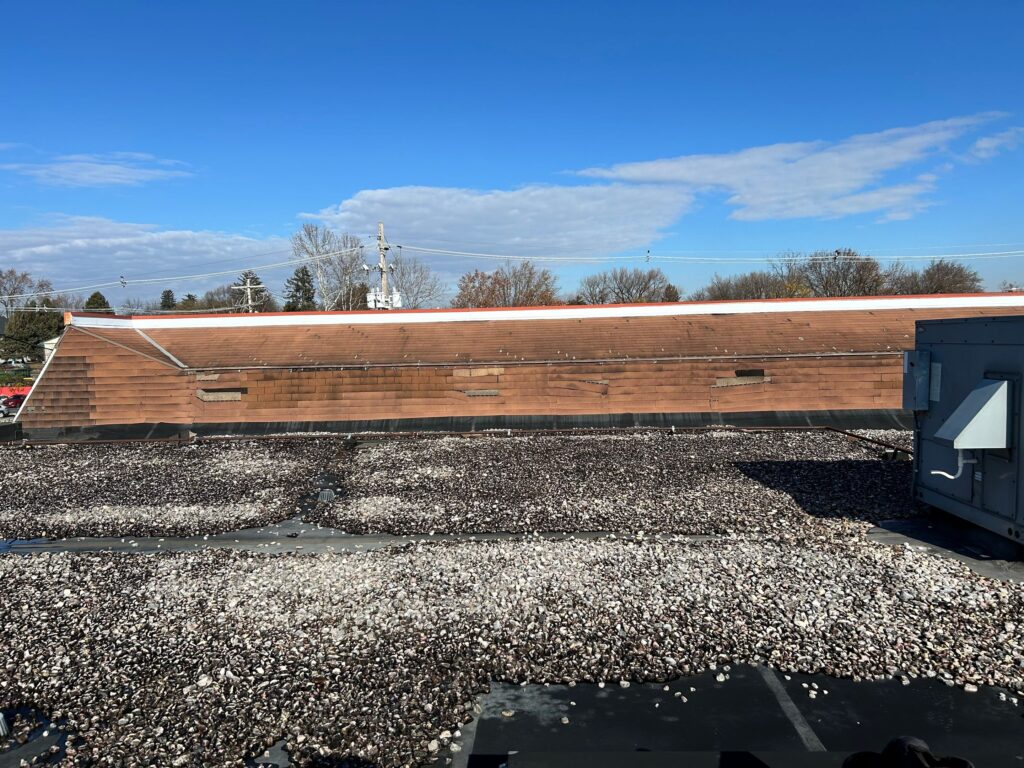
Emergency Tarp and Dry-In in West Virginia
Temporary protection to stop active leaks when cold conditions delay a permanent membrane repair.
→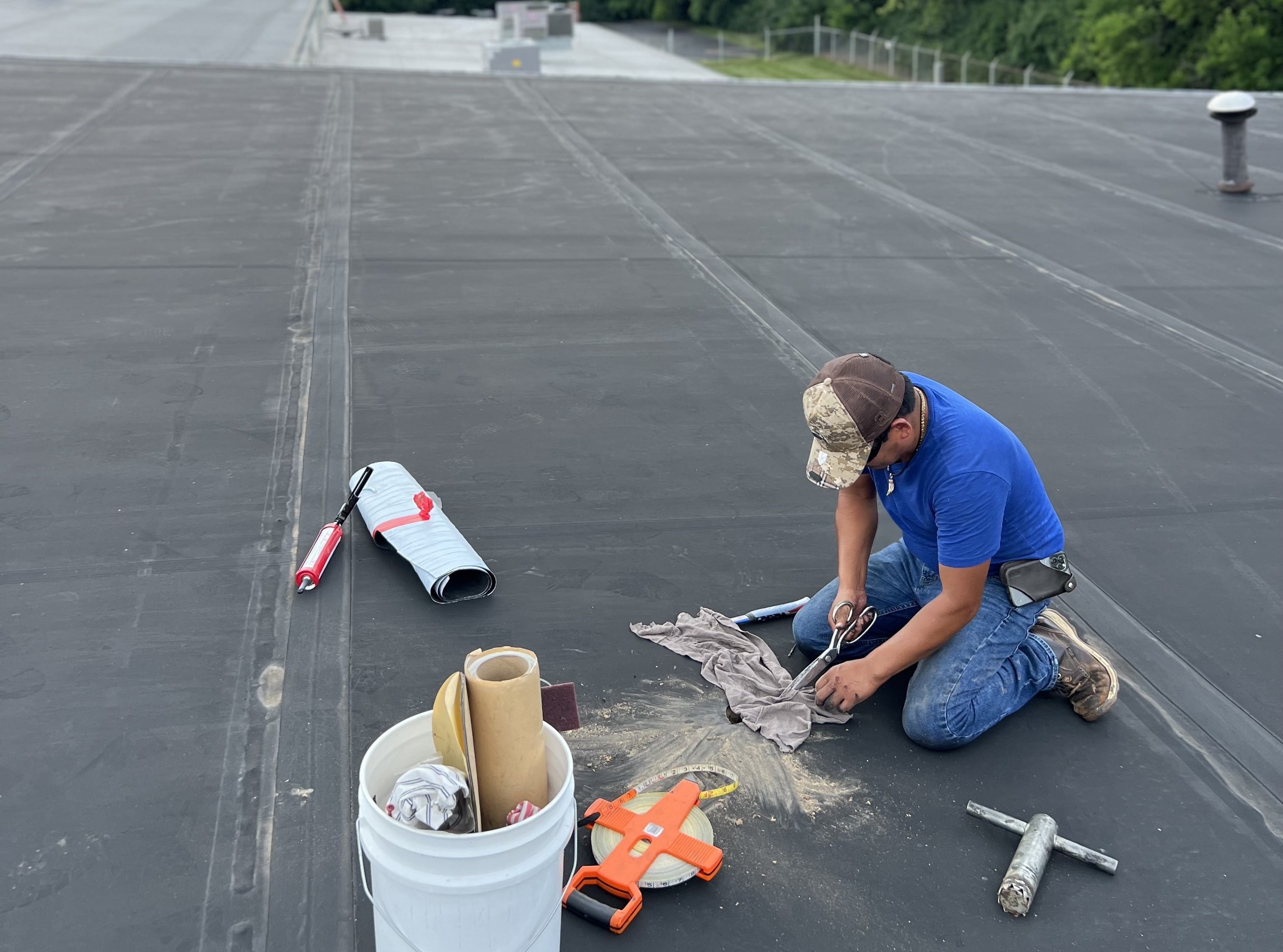
Preventive Roof Maintenance in West Virginia
Drain and flashing checks before winter reduce the chance of ice-dam damage on West Virginia's flat commercial roofs.
→