
Diversified Healthcare Trust and regional Appalachian-focused commercial REITs have maintained positions in Charleston, West Virginia, the state capital and its most significant commercial property market. Charleston's commercial real estate is driven by state government employment, the healthcare sector centered on CAMC Health System, and the chemical and industrial base along the Kanawha Valley corridor. For REIT asset managers overseeing West Virginia assets, Charleston represents a secondary market where value-add acquisition opportunities exist precisely because the local ownership base has historically deferred capital improvements that primary market owners would have funded routinely. Roofing is consistently among the most significant deferred capital categories in Charleston's commercial property inventory.
West Virginia's Appalachian climate creates commercial roofing challenges that combine the worst elements of the mid-Atlantic and Great Lakes environments. Charleston averages nearly 44 inches of annual precipitation, with significant snowfall and some of the most persistent freeze-thaw cycling in the eastern United States. The Kanawha River valley creates a microclimate where cold air pools in winter, extending freeze-thaw cycles and creating ice dam conditions on low-slope roofs that persist well into spring. The combination of heavy precipitation, freeze-thaw frequency, and the aging commercial building stock in Charleston produces a property inventory where deteriorated roofing is the norm rather than the exception - a reality that creates both risk and opportunity for disciplined REIT operators.
Roof condition affects NOI in Charleston's secondary market in ways that are amplified by the limited depth of the local insurance market. West Virginia commercial property is less liquid than coastal or primary market assets, and the concentration of the local insurance market means that underwriters have more leverage over terms and pricing than in competitive multi-carrier primary markets. Commercial properties with roofs in poor condition face insurance challenges similar to those in Florida's distressed market, but without the compensating depth of available coverage options. REIT asset managers who maintain roofing assets to a documented standard have measurably better insurance access and premium experiences than the local ownership base they are often acquiring from in value-add transactions.
Property condition assessments before Charleston acquisitions close consistently reveal deferred roofing maintenance as the largest single cost-to-cure category. Buildings constructed during the 1970s and 1980s - which represent a significant share of Charleston's commercial inventory - frequently carry original or second-generation built-up roofing systems that are well beyond their useful life, with wet insulation saturation rates that can reach 40 to 60 percent on buildings that have never had a systematic inspection program. Infrared moisture surveys on these buildings, combined with core sampling at appropriate density for the climate, produce PCA findings that quantify the replacement cost with specificity sufficient to support meaningful price negotiations or earnest money structure adjustments.
Master service agreements in Charleston's commercial roofing market address cold-climate operational needs that are similar to, but somewhat less extreme than, Toledo or Burlington. Snow removal response is a relevant MSA component for flat-roofed commercial buildings in the Kanawha Valley when multi-storm sequences create accumulation above structural design limits. Emergency freeze-thaw response - specifically for drain backups and ice dam mitigation that create active indoor water infiltration - is the most common cold-weather emergency call type in Charleston's commercial sector. An MSA with a qualified West Virginia roofing contractor providing defined response times for these events is the operational baseline for REIT asset management in this climate.
Ten-year CAPEX models for Charleston commercial portfolios must apply aggressive age-adjusted replacement assumptions given the climate's impact on membrane useful life. The combination of heavy precipitation, freeze-thaw cycling, and Appalachian UV exposure - which is higher than the northern Great Lakes due to elevation - reduces effective membrane life below temperate-climate manufacturer warranty expectations. A practical rule of thumb for West Virginia CAPEX modeling is to reduce standard manufacturer life expectancies by 20 to 30 percent, and to front-load replacement budgets for any building with a roof over 15 years old regardless of apparent surface condition - because apparent surface condition in a climate this demanding is a poor predictor of subsurface moisture status.
The value-add REIT strategy that makes Charleston commercially attractive requires a clear-eyed view of the roofing capital requirements embedded in the acquisition opportunity. Buildings purchased below replacement cost carry implied capital requirements that frequently include near-term full roof replacement, and REIT underwriters who model Charleston acquisitions without a detailed roofing assessment from a qualified West Virginia contractor before closing consistently find that their NOI stabilization timelines are extended by unplanned capital calls. The flip side of this dynamic is that REITs who complete comprehensive PCAs, negotiate purchase prices that reflect actual cost-to-cure, and execute replacement programs on a disciplined schedule create assets with clean roofing records that command premium pricing when exit opportunities arise.
Investor reporting for Charleston REIT assets should contextualize the secondary market risk profile with specific reference to the roofing capital program that is managing that risk. Secondary market investments carry higher unexplained risk premiums than primary market assets until investors understand the specific improvement programs that justify the acquisition thesis. A REIT supplemental that documents each Charleston asset's pre-acquisition roof condition, the replacement work completed since acquisition, and the projected useful life of the current system translates the value-add narrative into concrete evidence that capital is being deployed effectively and that the underlying asset quality is improving toward institutional standards.
Charleston's commercial roofing contractor market is small relative to the city's size, reflecting West Virginia's overall contractor capacity constraints. The best firms serve the entire state and have experience with both the cold-climate performance requirements and the aging building stock that characterizes the Appalachian commercial property inventory. REIT asset managers entering the West Virginia market should conduct contractor qualification early, verify that the selected firm has the financial capacity for multi-project simultaneous execution - a real constraint in a small market - and establish MSA terms while the market is not in post-storm emergency mode. The combination of market depth limitations and climate demands makes proactive contractor relationship development one of the highest-leverage preparation activities for any REIT entering the Charleston commercial property market.
How do REITs structure portfolio roofing programs for Charleston, West Virginia commercial assets? Charleston REIT programs use MSAs with qualified Appalachian contractors covering post-winter annual inspections, freeze-thaw emergency response protocols, snow removal capability for severe accumulation events, and replacement specifications appropriate for the cold-wet climate. The MSA should define response times for winter emergency calls specifically, as freeze-thaw and ice dam events create the most common and highest-urgency roofing emergencies in this climate. How does roof condition affect NOI for West Virginia commercial REIT assets? Charleston's secondary market insurance environment means that poorly maintained roofs face more acute coverage challenges than in deeper primary markets. NOI impact comes through emergency repair costs from freeze-thaw failures, insurance premium increases or coverage constraints on aging systems, tenant disruption costs in occupied buildings with active leaks, and the energy cost penalty of wet or deteriorated insulation in a high-heating-degree-day climate with significant tenant utility exposure. What should a 10-year CAPEX model include for a West Virginia commercial portfolio? The model should apply a 20 to 30 percent useful life reduction to manufacturer warranty projections for Appalachian climate conditions, front-load replacements for all buildings with roofs over 15 years, include annual post-winter inspection costs, provide a snow removal reserve for severe accumulation events, and budget a drain and heat-trace maintenance line for buildings with internal drainage systems. Buildings acquired through value-add strategies should carry replacement budgets in years one through three of the model. What does a PCA need to cover for roofing on a Charleston commercial acquisition? A West Virginia PCA should be timed for post-winter spring conditions, include infrared moisture surveys at appropriate climate density, core samples to quantify wet insulation extent, drain condition evaluation including history of ice blockage, parapet and coping condition assessment, and a realistic replacement cost estimate from a qualified local contractor. Visual-only summer inspections on Charleston buildings consistently underestimate actual roof condition because summer drying masks the moisture accumulation that is the primary active damage mechanism in this climate. Why is the secondary market context important for Charleston REIT roofing program design? Secondary markets like Charleston attract REIT capital partly because local ownership groups have underinvested in capital improvements, which creates value-add opportunities. But this same dynamic means that acquired assets often carry roofing systems 5 to 10 years beyond their design life, with limited maintenance records and no prior systematic inspection program. Programs designed for the secondary market context must be more capital-intensive in the early years of ownership than programs for institutionally maintained primary market assets.Q&A
Questions about REIT Roofing Services
What drives the roofing decision on a REIT-held West Virginia asset?
Asset value and hold strategy lead. We frame membrane condition, drainage, and warranty status against capital planning and NOI, so the trust can weigh a repair, restoration, or replacement that protects both tenant retention and the property's long-term valuation.
Can tenants keep operating during roof work on a REIT property?
Generally yes. Rent rolls stay intact when we phase the scope, dry-in nightly, protect storefronts and suites, and schedule around business hours so anchor and in-line tenants keep trading while the roof is brought back to standard.
What should a REIT asset manager send before a roof walk?
Useful items include roof plans, capital reserve notes, existing warranty, prior proposals, membrane age, tenant leak complaints, and the property contact. Portfolio-level documentation helps us format findings for the trust's reporting and budgeting.
Related Roof Decisions
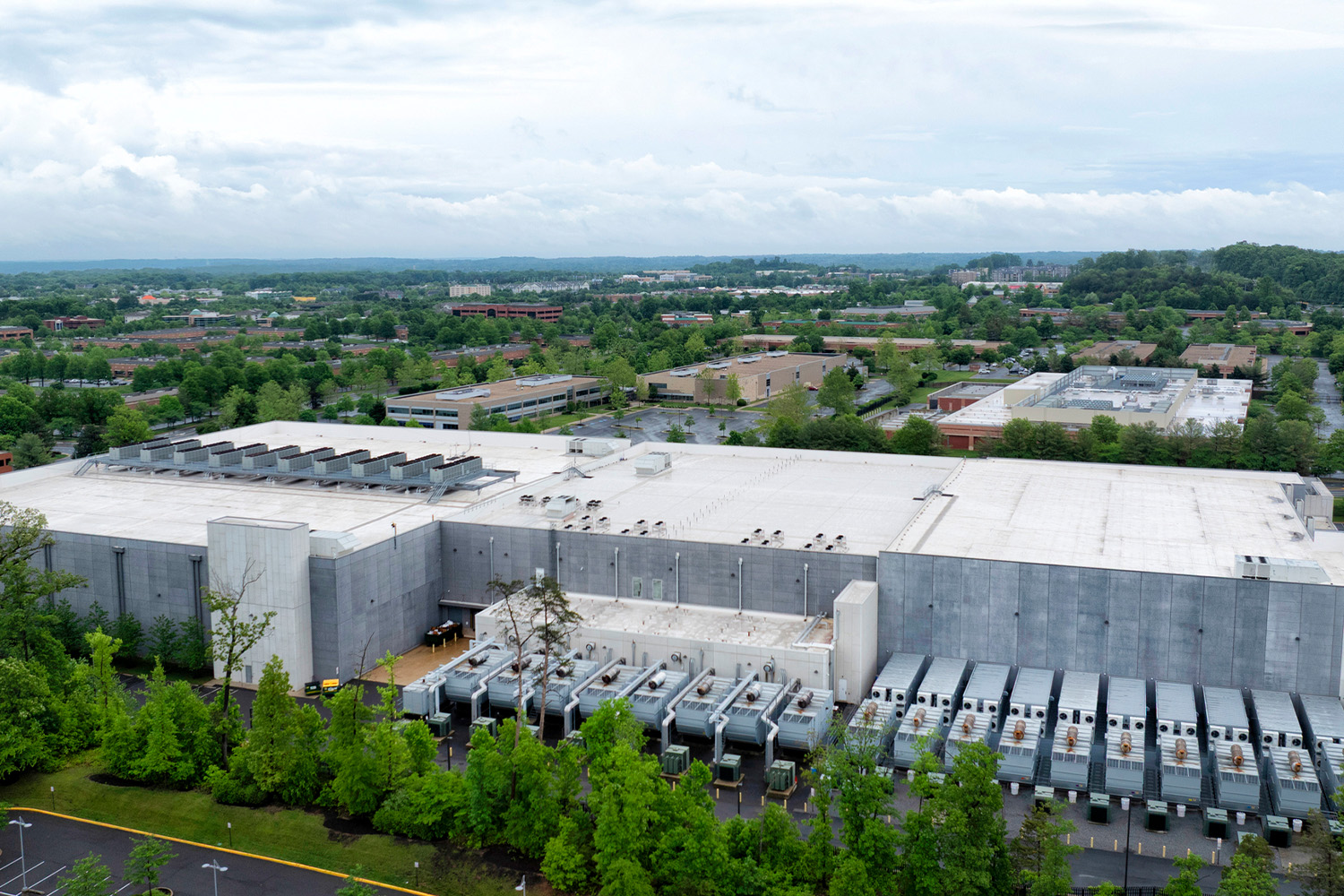
Data Center Roofing in West Virginia
Charleston, West Virginia's data center landscape is shaped by the state government's substantial computing needs and the telecommunications infrastructure that.
→
Property Management Firms in West Virginia
31.5 inches of normal annual snowfall is the kind of local condition that changes Property Management Firms from a product conversation into a roof-asset decision.
→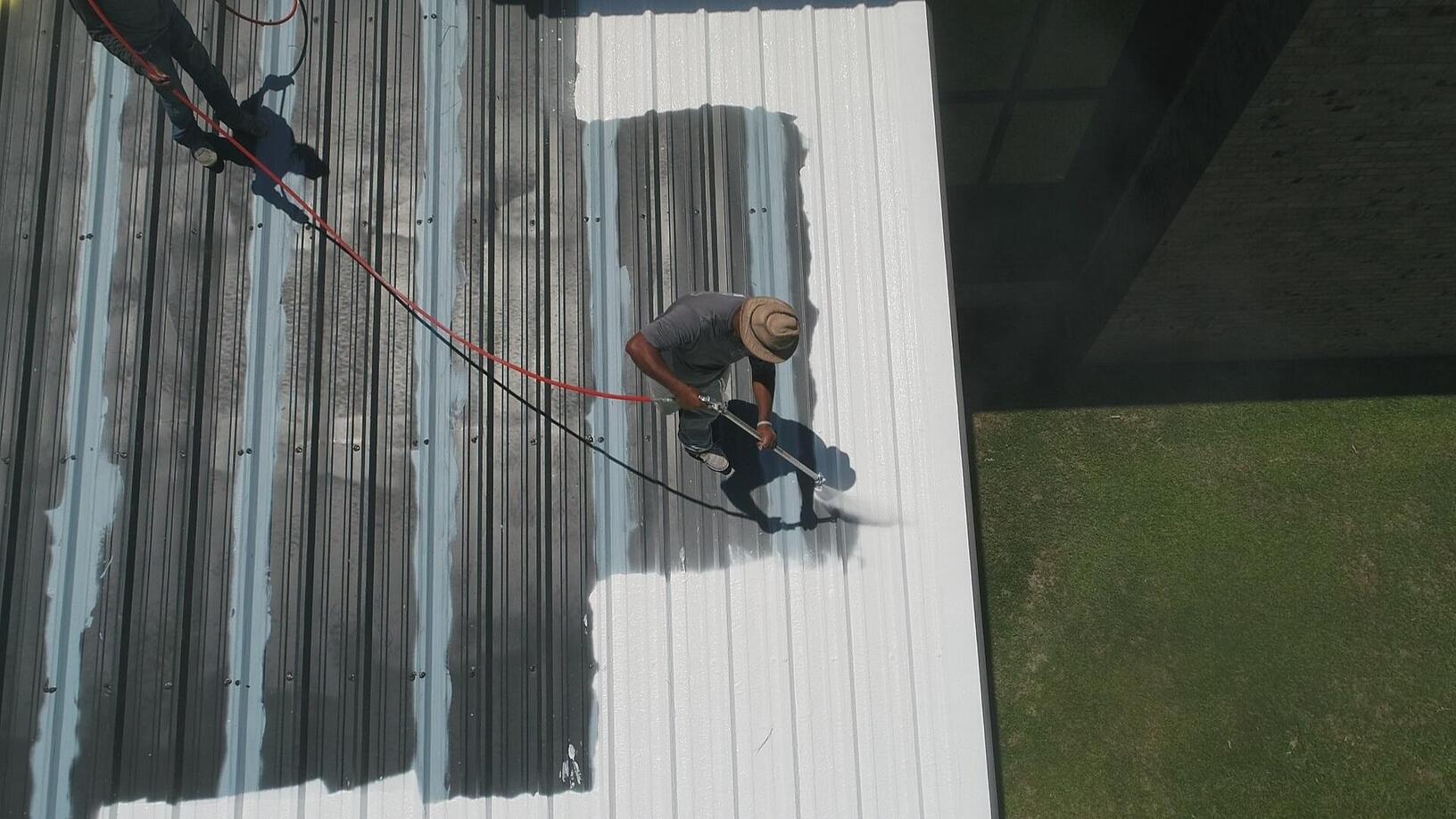
Insurance Restoration in West Virginia
Budgeting Insurance Restoration around Rand starts with constraints that are easy to miss from a satellite view. Rooftop units, parapet height, older repairs.
→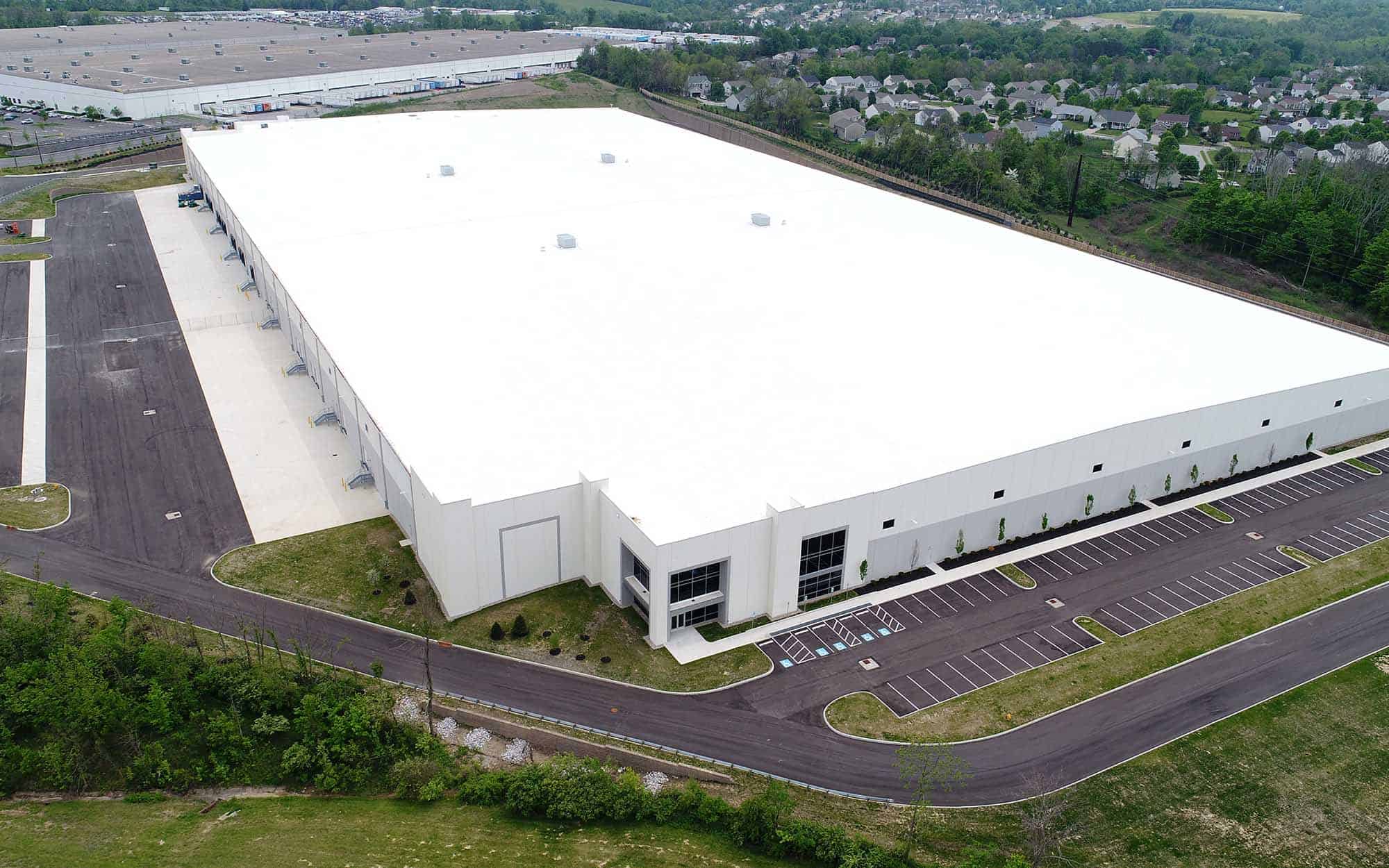
Logistics and 3PL in West Virginia
When an owner asks about Logistics and 3PL, we do not start with a brochure. We start with the weather, the roof assembly, the access route, the interior exposure.
→