
Charleston, West Virginia's data center landscape is shaped by the state government's substantial computing needs and the telecommunications infrastructure that serves the Mountain State's geographically dispersed population. The West Virginia state government operates data centers and server environments supporting every agency of state government - the Secretary of State's business registration systems, the Department of Motor Vehicles, the judiciary's case management platforms, the Department of Health and Human Resources, and the emergency management computing infrastructure that becomes most critical during the severe weather events that West Virginia experiences frequently. These are not discretionary computing environments - they are the digital infrastructure of government, and the buildings housing them must perform reliably under the same weather conditions that generate the emergency management demands the computing is being used to address.
Frontier Communications, which has provided telecommunications services to West Virginia for decades, maintains switching and network operations infrastructure throughout the state, with significant presence in Charleston. The telecommunications sector's infrastructure in West Virginia is more dispersed than in major metro markets, reflecting the need to serve rural communities across rugged terrain, and the buildings housing network operations in Charleston anchor a connectivity web that reaches into every corner of the state. A roofing failure at a network operations facility in Charleston does not produce a local service disruption - it can affect connectivity for communities that have no redundant connectivity path.
Charleston's climate in the Appalachian foothills combines elements of both the Mid-Atlantic and the interior Appalachian mountain climate. The city averages approximately 44 inches of rainfall annually, with precipitation relatively well-distributed across the year. Winter brings significant ice storm exposure - the freezing rain events that are more frequent in the Kanawha Valley than in most other metropolitan areas - and West Virginia's topography creates localized weather patterns that can produce significantly different conditions across short distances. Data center roofs in the Charleston area must be engineered for ice loading, freeze-thaw cycling, and the wind effects associated with valley topography that can produce unexpected flow patterns during storm events.
Ice storm damage is the roofing failure mode most specific to Charleston's climate. Freezing rain events that deposit significant ice accumulation on commercial roofs create both structural loading conditions and mechanical damage to roofing membranes, equipment, and drainage systems. Ice accumulation on roof drains is particularly consequential - a frozen primary drain creates a ponding condition that adds structural load and increases leak risk simultaneously. Heat-traced drain systems and thermal break details at penetrations are practical responses to this risk, but they are rarely included in standard commercial roofing specifications and must be specifically requested by facility managers who understand Charleston's ice storm frequency.
Vapor management in Charleston's climate follows the continental pattern, with the dominant vapor drive pushing from the heated interior toward the cold exterior during the long winter heating season. West Virginia data centers that maintain low interior humidity for hardware protection create stronger vapor drives than standard commercial buildings, making continuous vapor retarder performance critical to preventing insulation saturation over time. Annual infrared scanning of the roof assembly can detect moisture accumulation within the insulation before it reaches levels that compromise thermal performance or trigger manufacturer warranty concerns.
The economic environment of West Virginia's data center market differs from that of coastal and Sun Belt markets in ways that affect roofing investment decisions. State government facilities operate under procurement constraints that can make proactive capital investment difficult to justify against competing budget priorities, and the private sector data infrastructure in Charleston does not generate the volumes that would support a large, competitive local roofing market with deep data center specialization. Facility managers must often bring qualified contractors in from Pittsburgh, Columbus, or Charlotte, which affects logistics, response time for emergency work, and the depth of the contractor's familiarity with local climate conditions.
The coal economy's legacy in West Virginia has left a building stock in Charleston that includes many older commercial facilities originally built for manufacturing and industrial purposes, some of which have been converted to house computing infrastructure. These conversions often involve roofing systems that were not designed for the load distributions and penetration densities associated with modern data center cooling and power infrastructure. Re-roofing projects on converted industrial buildings must include structural assessment of the existing deck's capacity to support new insulation assemblies and additional rooftop equipment loads before the roofing scope is finalized.
The West Virginia state government's computing facilities benefit from federal programs that support rural state government technology infrastructure, but these funding streams come with compliance requirements that extend to the physical facilities housing the computing systems. Facility managers responsible for state data centers in Charleston should understand the physical security and environmental control standards applicable to the federal programs their computing environments support, as roofing performance - specifically, the building's ability to maintain environmental controls during weather events - is a component of those standards even when it is not explicitly called out in compliance documentation.
Proactive roofing investment in Charleston data centers represents a particularly high-value risk management decision given the limited availability of emergency response resources in the Mountain State. The combination of West Virginia's mountainous terrain, seasonal road conditions, and the relatively small local contractor market means that emergency roofing response after a major weather event may involve longer response times than facility managers accustomed to larger markets would consider acceptable. Buildings with well-maintained roofing systems in documented good condition before storm season face substantially lower risk of requiring emergency response during the periods when it is most difficult to obtain.
Frequently Asked Questions: Data Center Roofing in Charleston, WV
How does West Virginia's ice storm frequency affect Data Center Roofing?Charleston and the Kanawha Valley experience freezing rain events at higher frequency than most Mid-Atlantic metropolitan areas. Ice accumulation creates roof structural loading, damages drainage systems, and can mechanically stress penetration flashings and equipment curbs. Heat-traced drain systems and ice-resistant flashing details should be standard specification for data center buildings in Charleston, and pre-season inspection should confirm these systems are operational before each winter.
What structural considerations apply to converted industrial buildings used as data centers?Buildings converted from industrial or manufacturing use to data center operations were not originally designed for the point load distributions associated with modern cooling equipment or the penetration densities required for data infrastructure. Structural assessment of the existing deck and support system should precede any re-roofing project on a converted building to confirm capacity for new insulation and equipment loads and to identify any deflection or deterioration that affects drainage design.
How does West Virginia's limited contractor market affect Data Center Roofing quality?The relatively small local commercial roofing contractor market in West Virginia means that facility managers may need to engage contractors from Pittsburgh, Columbus, or Charlotte for data center-quality work. This increases mobilization costs and response time for emergency service but is often necessary to obtain the manufacturer certifications and data center installation experience that mission-critical facilities require. Pre-qualified contractor relationships established before emergencies arise are essential in this market.
What vapor retarder position is correct for Charleston data center roofs?Charleston's climate, like most of the continental U.S. interior, has a dominant winter vapor drive from the heated interior toward the cold exterior. Vapor retarders should be positioned on the interior (warm) side of the insulation assembly. Data centers with very low interior humidity for hardware protection - below 40 percent RH - create stronger vapor drives than standard commercial buildings and may require enhanced vapor retarder performance specifications.
What is the most cost-effective preventive roofing maintenance investment for Charleston data centers?Fall drain cleaning and flashing inspection, completed before the first freeze event of the season, provides the highest return of any routine maintenance activity in Charleston's climate. Blocked drains and compromised flashings that are inconsequential in fall become catastrophic problems after one or two freeze-thaw cycles. The cost of a two-hour fall maintenance visit routinely prevents emergency repairs that cost ten to twenty times as much.
Q&A
Questions about Data Center Roofing
How do you decide the right roofing move for a West Virginia data center?
The call turns on membrane condition over server halls, thermal load from rooftop chillers, drainage away from equipment pads, and how much foot traffic maintenance crews add. Redundancy needs and any active leak paths above racks weigh heaviest in the recommendation.
Can a data center keep running while the roof is worked on?
Usually yes. Uptime is non-negotiable, so we sequence sections, keep every server hall dried-in nightly, protect condensers and cable trays, and coordinate hot-work windows with facility staff so cooling and power stay online throughout the work.
What documents help before we walk a data center roof?
Send roof plans marking equipment pads, any leak reports above the raised floor, warranty terms, membrane age, and clearance rules for the secured roof deck. A facility contact who can escort us through controlled access speeds the assessment.
Related Roof Decisions
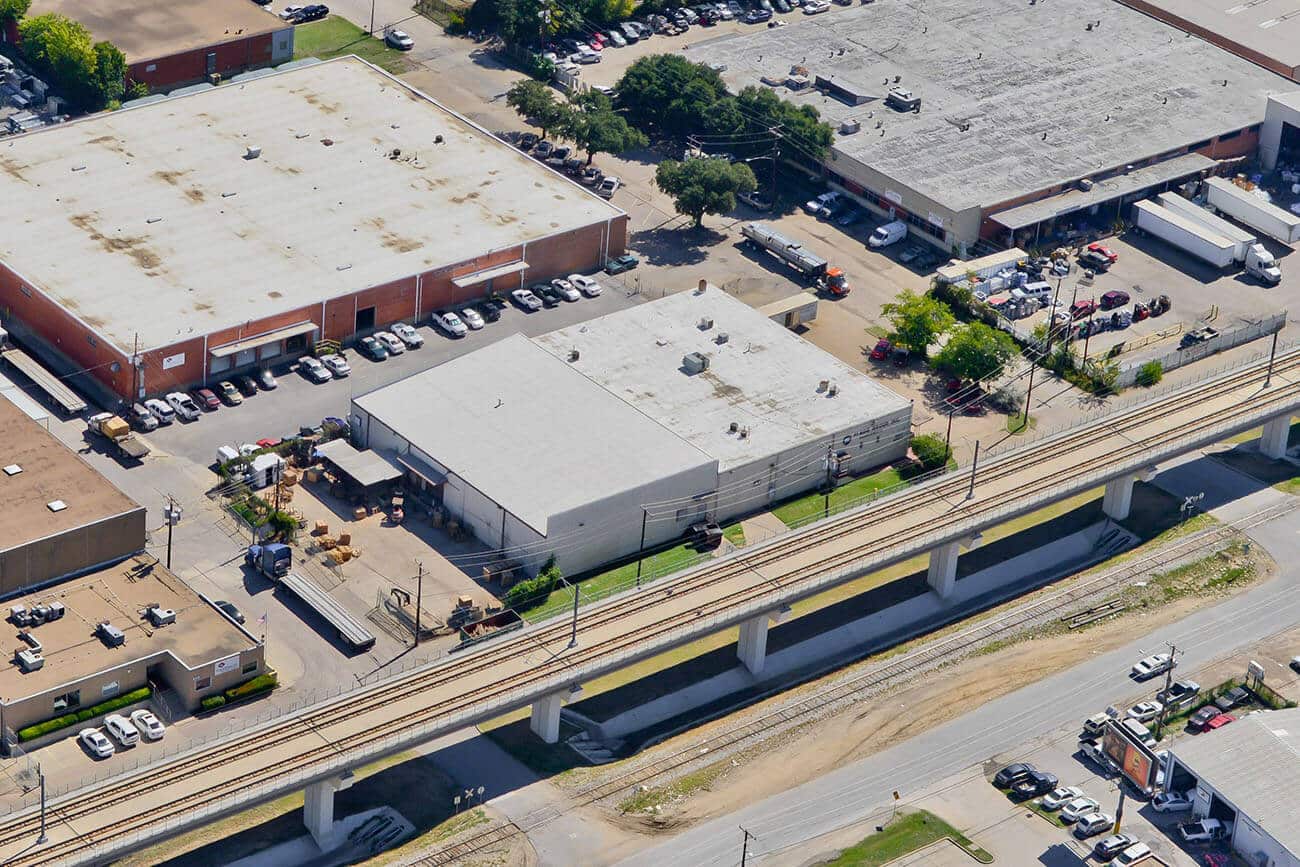
Healthcare Systems in West Virginia
The first clue on Healthcare Systems is often not the leak mark; it is the route water took between Kanawha County and East End. We trace seams, drains, scuppers.
→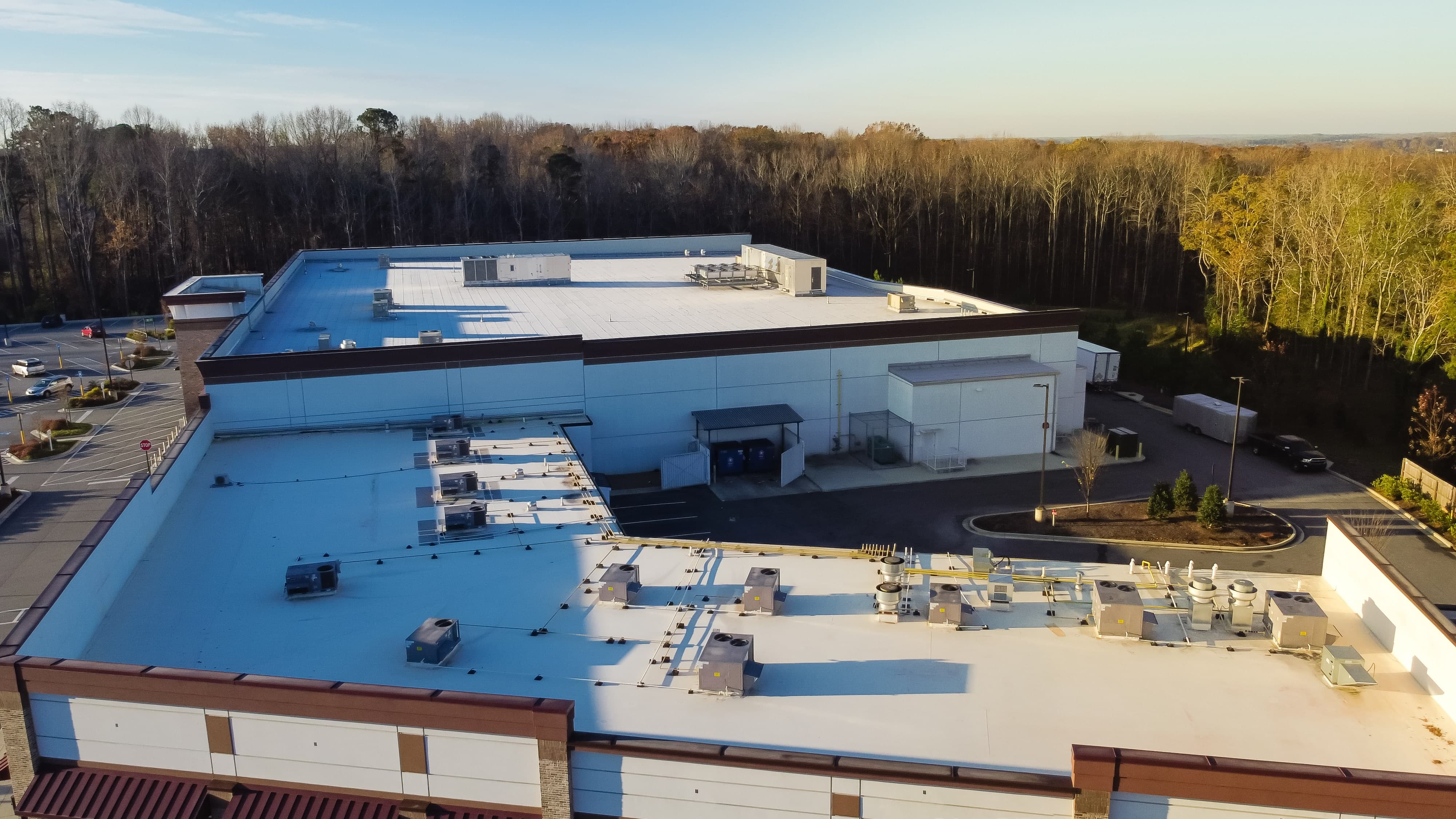
Retail Chain Operators in West Virginia
When an owner asks about Retail Chain Operators, we do not start with a brochure. We start with the weather, the roof assembly, the access route, the interior.
→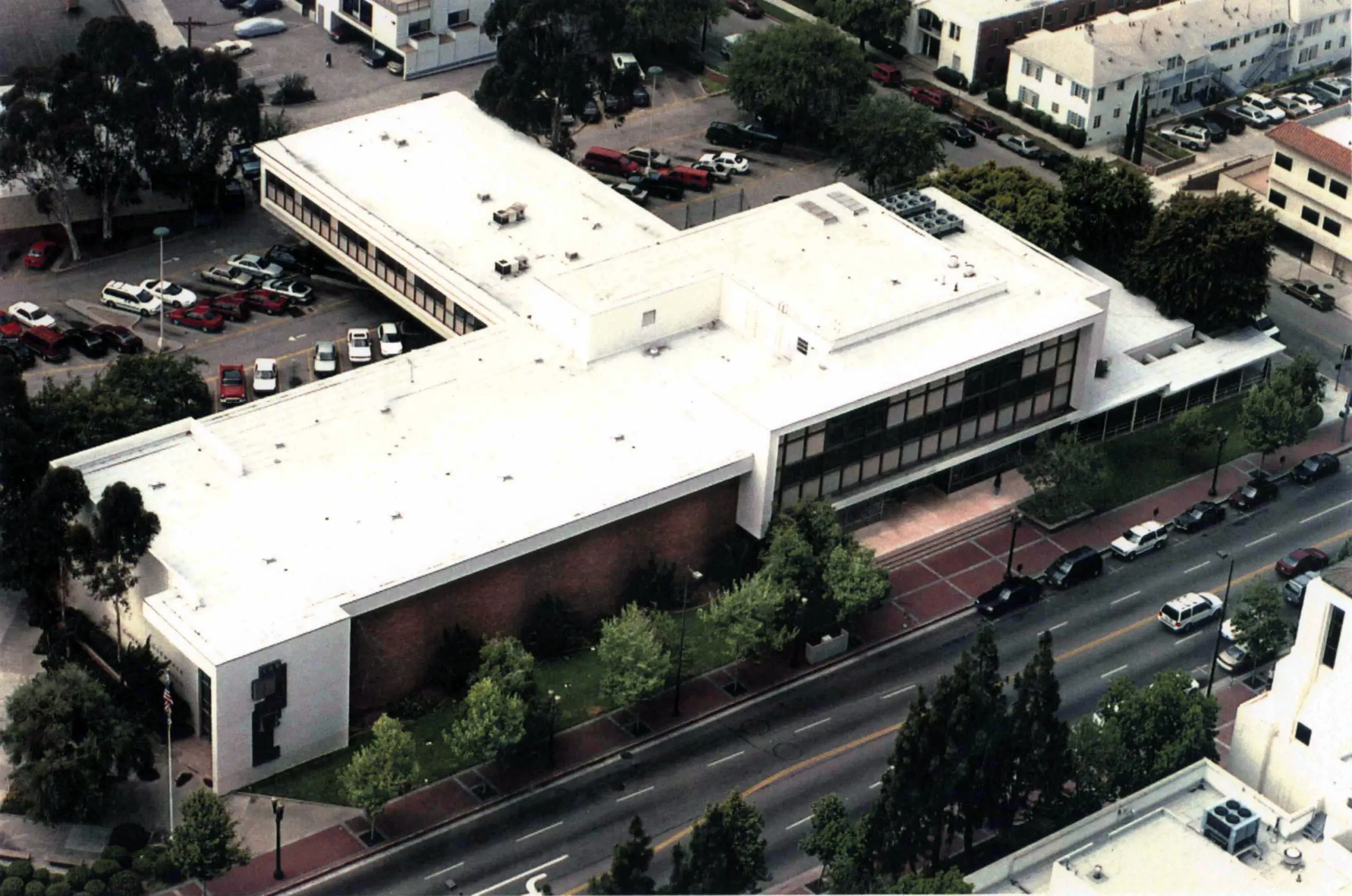
Government and Public Sector in West Virginia
Budgeting Government and Public Sector around CAMC General starts with constraints that are easy to miss from a satellite view. Rooftop units, parapet height, older.
→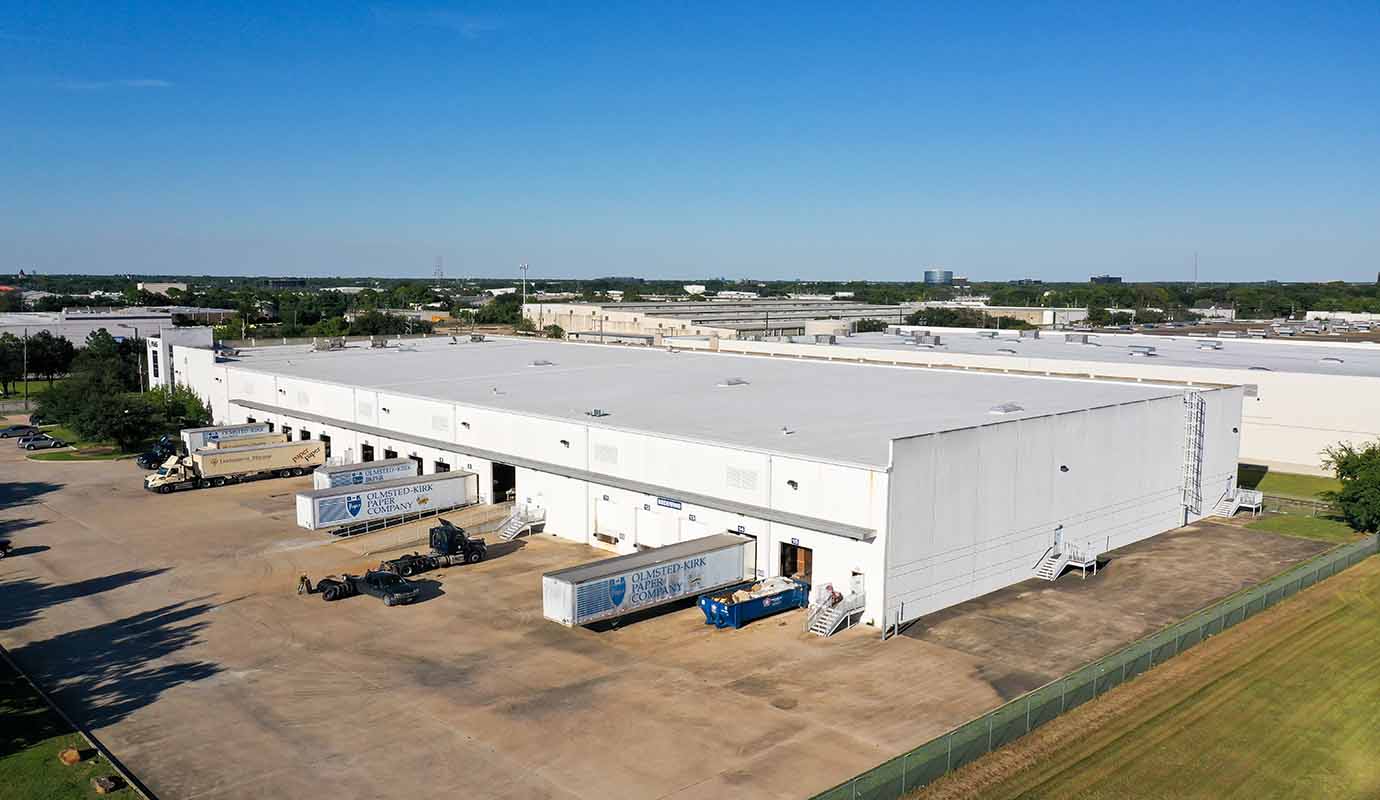
REIT Roofing Services in West Virginia
Diversified Healthcare Trust and regional Appalachian-focused commercial REITs have maintained positions in Charleston, West Virginia, the state capital and its.
→