
Kanawha County Schools, the largest school district in West Virginia serving over 27,000 students across more than 50 campuses in and around Charleston, faces roofing maintenance challenges shaped by Appalachian weather extremes, an aging building portfolio, and the budget constraints that characterize public education in a state that has experienced decades of economic transition. Many Kanawha County school buildings were constructed during the mid-twentieth-century period of industrial prosperity and have roofs that are now significantly past their intended service lives, creating a deferred maintenance burden that the district's capital improvement program addresses incrementally through annual bond allocation and School Building Authority funding.
West Virginia School Building Authority funding is the primary mechanism for school capital projects including reroofing in Kanawha County. The SBA evaluates project applications based on documented condition assessments, prioritizes buildings with active water infiltration or structural risk, and approves funding decisions on a competitive basis. We conduct condition assessments specifically formatted for SBA application requirements - including the SBA's required condition rating methodology and cost estimate standards - and have supported multiple successful KCS funding applications with documentation that clearly demonstrates project need and cost justification.
Freeze-thaw cycling is the dominant weathering mechanism for Charleston school roofs, and its effects are particularly severe at buildings with inadequate attic insulation and air sealing that creates ice dam conditions on pitched roofs, and at buildings with parapet walls where water infiltrates mortar joints and freezes repeatedly through winter. Many Kanawha County school buildings have brick parapets that are in active deterioration from freeze-thaw damage - mortar is missing from joints, brick faces are spalling, and cap stones have been displaced or cracked. These conditions must be addressed as part of any reroofing project because installing a new membrane over an actively deteriorating parapet wall produces a new roof that fails prematurely when the parapet masonry deterioration continues to work against the flashing system.
Summer scheduling for Kanawha County school projects must work within West Virginia's academic calendar, which typically runs through late May and resumes in late August, providing a roughly 12-week summer window. This window is narrower than it appears because SBA-funded projects often require a notice to proceed that does not issue until late spring after SBA board approval and state procurement compliance review. We have managed multiple KCS projects that mobilized in late June and completed before the August student arrival, using accelerated scheduling and larger crews than standard commercial project staffing to meet the compressed deadline.
West Virginia Division of Highways prevailing wage determinations apply to KCS construction projects funded through state programs including SBA grants. Projects exceeding applicable thresholds require contractor payroll compliance with WVDOH wage determinations for the labor classifications involved. We maintain West Virginia prevailing wage documentation capability and are familiar with the specific KCS contract forms that incorporate prevailing wage requirements, eliminating the compliance confusion that characterizes contractors who work primarily in lower-wage states and encounter West Virginia prevailing wage requirements for the first time on a school project.
Asbestos management is a significant complexity for older Kanawha County school buildings where built-up roofing assemblies installed before 1980 may contain asbestos-containing roofing felts or mastic materials. West Virginia AHERA regulations require annual visual inspection of school buildings for asbestos conditions, and school districts are required to have current asbestos management plans on file with WVDE. Before any demolition work on a KCS reroofing project, we verify that the target area has been sampled by the district's industrial hygienist, that sampling results are current, and that any required abatement work is properly scoped and contracted separately or included in the demolition scope with appropriate notifications to WVDE and WVDEP.
Energy performance improvements are financially compelling for Kanawha County school buildings because West Virginia's high school energy intensity - large buildings with significant heating loads, older mechanical systems, and inadequate insulation - means that investment in building envelope improvements delivers measurable operating cost savings within a few years. The West Virginia Office of Energy has administered programs that assist schools with energy efficiency capital projects, and SBA-funded reroofing projects that include meaningful insulation upgrades may qualify for supplemental energy efficiency funding that reduces the net capital cost of the roofing improvement.
Many Kanawha County school buildings have had multiple generations of roofing systems installed over the original deck, and the accumulated weight of these layered assemblies may approach or exceed the structural capacity of the original roof framing. Before finalizing scope for a KCS reroofing project, we assess the existing assembly weight, calculate the structural loading implications of the proposed new system, and coordinate with the district's engineer of record when existing loads are within a margin that warrants structural review. West Virginia Building Code requires that reroofing projects comply with structural loading requirements of the current code, and we do not proceed over structural conditions that require engineering review without first obtaining that review.
Communication with KCS administration, principals, and community stakeholders is important because school buildings in West Virginia's communities are central civic institutions, and construction activity that affects a school campus draws attention from parents, school board members, and local elected officials. We provide regular written project updates to district facilities staff in formats suitable for board reporting, and we respond to questions from building principals or community members with factual, patient explanations of what is being done and why. Our reputation in the Kanawha Valley is built on the quality of our relationships with school administrators as much as on the technical quality of our installations.
How does the West Virginia School Building Authority evaluate reroofing project applications? The SBA prioritizes applications based on condition assessment ratings, years since last replacement, active water infiltration evidence, and documented structural risk. Applications must include a certified condition assessment using the SBA's required methodology, current cost estimates, and evidence that the district has explored alternative funding sources. We prepare SBA-formatted condition assessments specifically to support competitive applications. What prevailing wage applies to KCS reroofing projects funded through the SBA? West Virginia Division of Highways wage determinations apply to SBA-funded school construction projects. Current rates for roofing and sheet metal classifications in Kanawha County are referenced in KCS contract documents. We document payroll compliance with state-formatted certified payroll reports submitted on the schedule required by district contract administrators. How do you address freeze-thaw damaged parapet walls during a reroofing project? We assess parapet masonry condition during pre-project investigation and include masonry repair or stabilization in project scope when parapet conditions are incompatible with a durable new flashing installation. For severely deteriorated parapets, we may recommend parapet demolition and reconstruction with modern masonry or prefabricated coping systems as a more cost-effective long-term solution than repointing deteriorated historic masonry. Can you complete a reroofing project at a KCS school between June and August? Yes. We staff school projects to meet compressed summer schedules and have a documented track record of completing KCS projects within the academic-year window. Mobilization timing depends on when SBA notice to proceed issues, and we account for this variable in pre-project schedule planning. We commit to specific completion dates and staff projects accordingly rather than applying standard commercial pacing to school projects. What documentation is required at project completion for KCS SBA-funded projects? SBA-funded projects require project completion certification, lien releases from all subcontractors and material suppliers, manufacturer warranty certificates, certified payroll final summary, and as-built drawings submitted in the formats specified in the SBA grant agreement. We prepare and submit these closeout documents as a standard part of project delivery on all SBA-funded KCS projects.Q&A
Questions about School and K-12 Educational Building Roofing
What decides the next step for a K-12 school roof?
Leaks over classrooms and gyms, aging built-up or single-ply fields, rooftop unit condition, drainage, roof access for staff, and district budget cycles together decide whether a school needs targeted repair, recover, or a summer replacement.
Can the school stay in session during roof work?
Often the heaviest work is scheduled for summer or breaks, but occupied-building phasing is possible; the crew keeps wings dried in nightly, controls noise near classrooms, and locks down all roof access away from students.
What should a district send before a school roof walk?
Send leak photos by room and wing, the roof plan, prior district bids, warranty records, the roof's age, the calendar of breaks, and a facilities contact who can grant secure rooftop access.
Related Roof Decisions
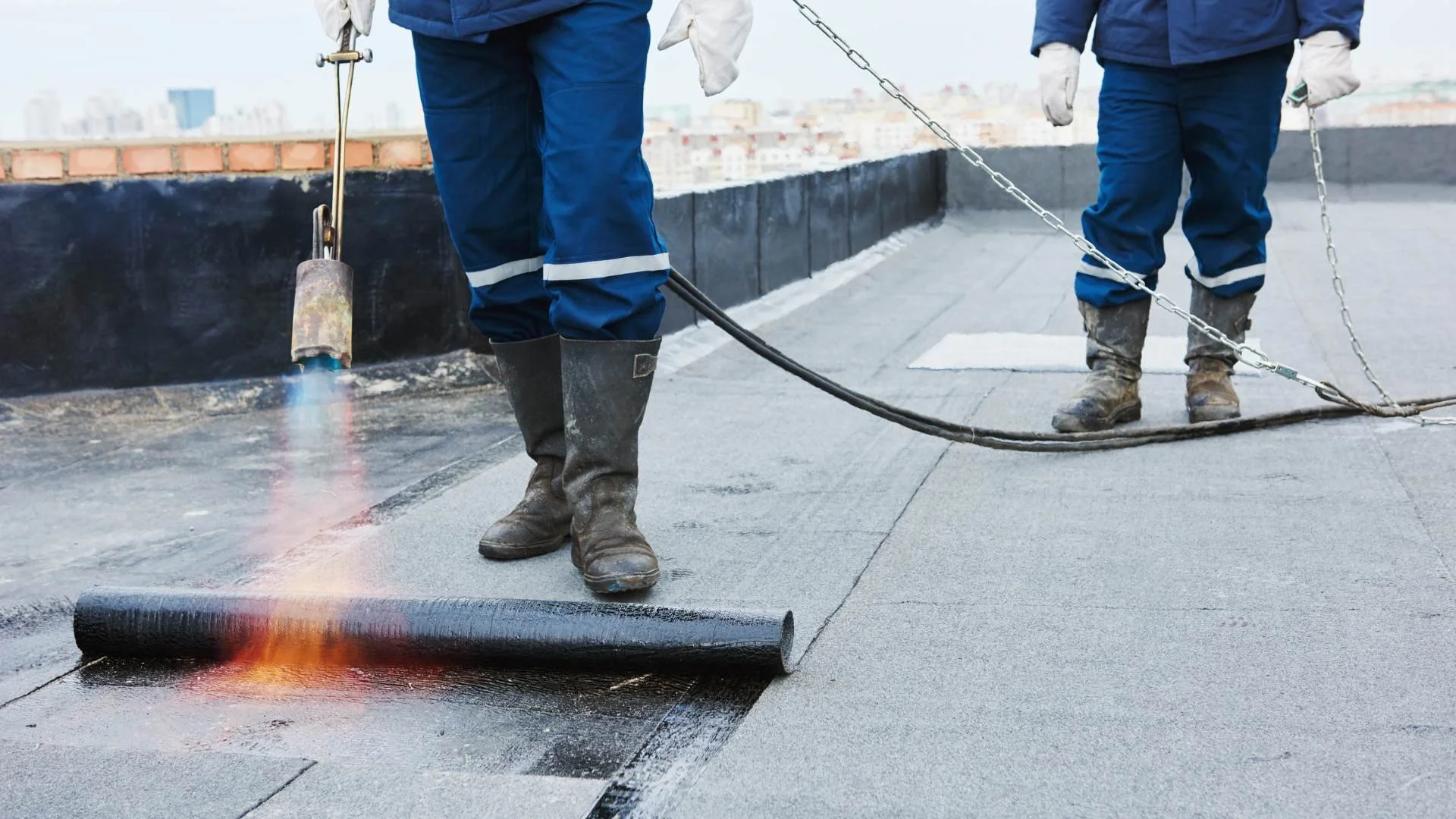
Modified Bitumen SBS Roofing in West Virginia
We are usually talking with facility teams comparing Modified Bitumen SBS Roofing scope, schedule risk, water control, and budget, so the first visit is grounded in.
→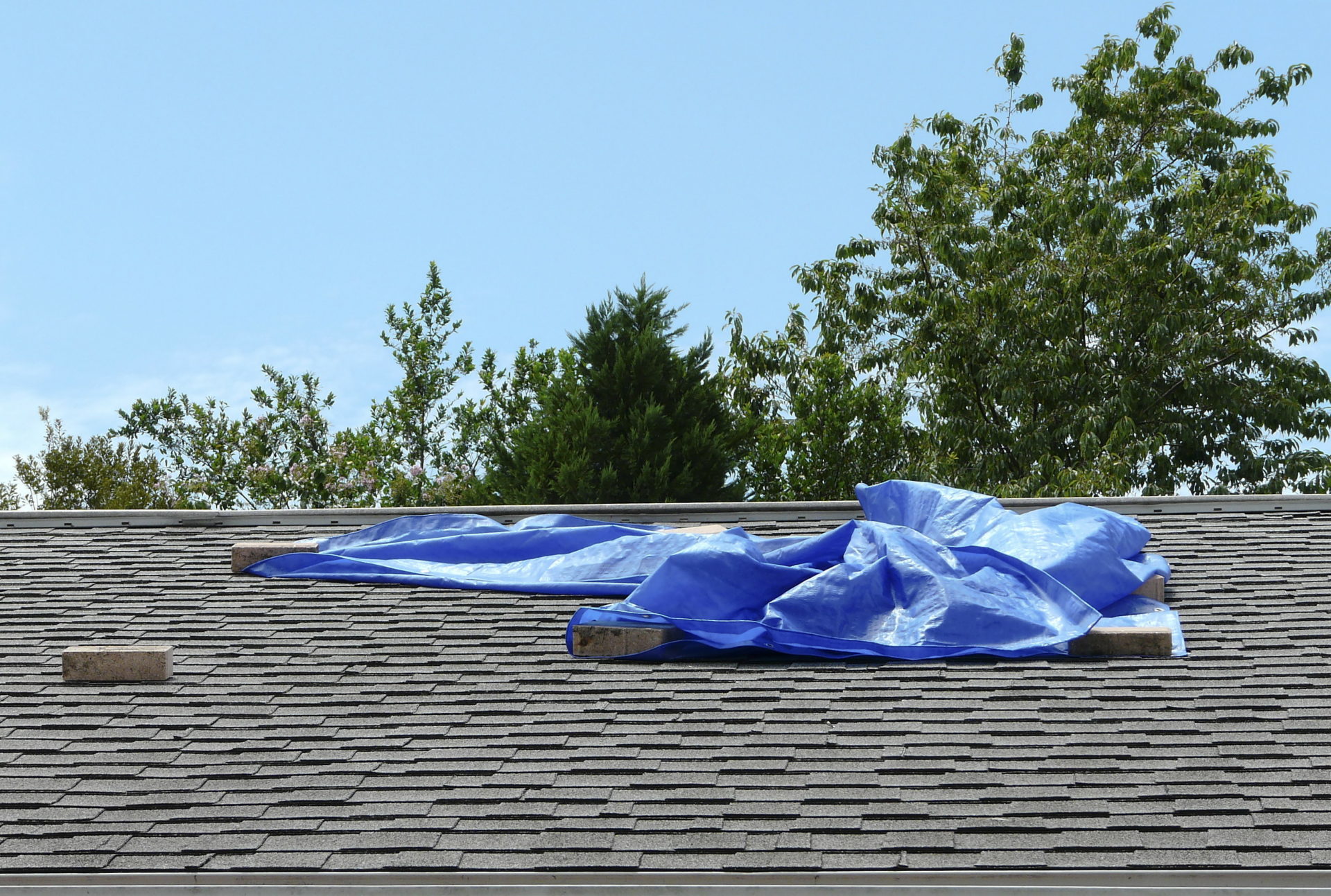
Commercial Roof Leak Repair in West Virginia
The roof surfaces near Chelyan and West Virginia Regional Technology Park often age in different ways, even when the buildings are only a few miles apart. That is.
→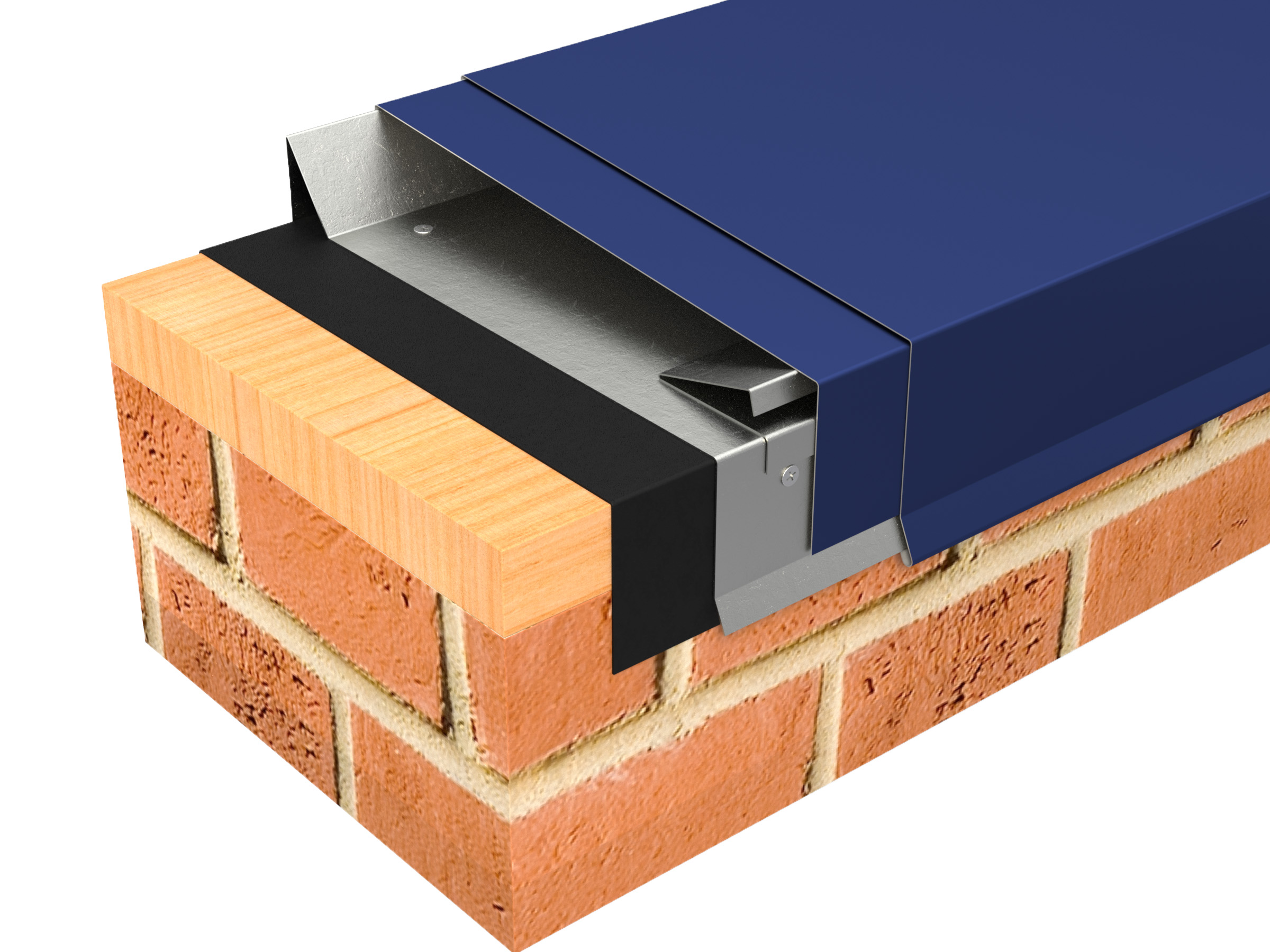
Edge Metal, Coping, and Gutters in West Virginia
Chelyan is the kind of local condition that changes Edge Metal, Coping, and Gutters from a product conversation into a roof-asset decision. We check whether water.
→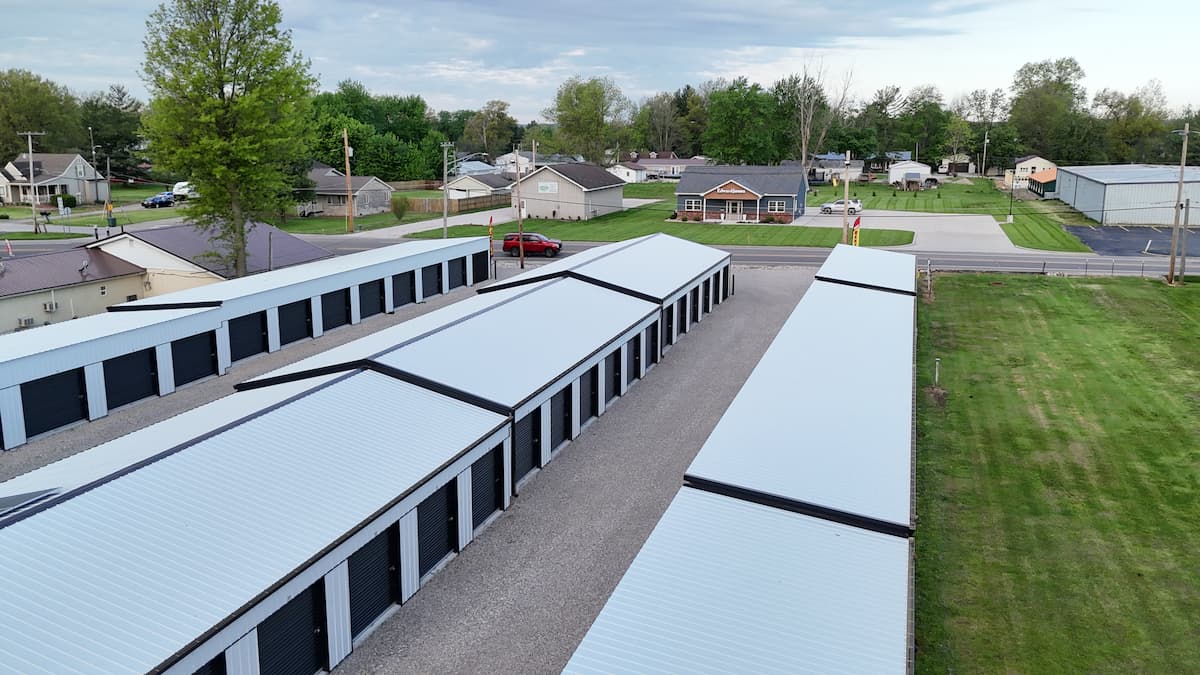
Self-Storage Facility Roofing in West Virginia
Security Self Storage operates multiple Charleston, West Virginia facilities including a location on MacCorkle Avenue that serves the Kanawha Valley's multifamily.
→