
Highmark West Virginia's corporate headquarters in Charleston, along with the broader concentration of state government office buildings, law firm offices, and healthcare system campuses that anchor the Kanawha Valley professional real estate market, represents the institutional core of West Virginia's Class A and B office building stock. Charleston's compact downtown and the sprawling Kanawha Boulevard office corridor are home to buildings of varying vintage - from 1960s-era state office towers to post-2000 suburban corporate campuses - each with distinct roofing challenges shaped by the city's valley terrain, cold winters, and the unique regulatory environment of a state where building code enforcement has historically varied by jurisdiction.
West Virginia's building code structure differs from most states in that there is no single statewide local-jurisdiction enforcement body for all commercial buildings. The West Virginia State Fire Marshal's office handles commercial building inspections in many jurisdictions, while some municipalities - including Charleston - have their own building inspection programs. This administrative complexity means that re-roofing permit requirements, inspection protocols, and energy code enforcement can vary between a building on one side of a street and a building on the other side of the same street depending on jurisdictional boundaries. A roofing contractor or specifier who has navigated West Virginia's permitting landscape previously is an essential guide through this complexity.
Occupied-building protocols for Charleston office re-roofing must account for the compressed working season imposed by the Appalachian Mountain climate. With reliable membrane installation weather running from May through early October, there are only five months to complete projects on occupied buildings where noise and odor control, phased work, and tenant coordination add time to what would be a straightforward construction schedule in a warmer climate. Projects should be contracted and materials ordered in winter or early spring, with construction mobilization targeted for early June to provide the maximum weather window before fall freeze events begin to restrict adhesive applications.
LEED certification interest in Charleston's office market is driven primarily by state government facilities and major Healthcare Systems, which have adopted sustainability commitments that apply to their real property portfolios. The West Virginia State Building Commission has implemented energy efficiency standards for state facilities that align with ASHRAE 90.1, and major Healthcare Systems including CAMC and Thomas Health have campus sustainability programs that influence roofing specifications on their facility projects. For private-sector office buildings, LEED certification is less commonly pursued but gaining traction as major law firms and financial institutions respond to client sustainability expectations.
HVAC coordination for Charleston office buildings involves the heating-season complexity that characterizes all Appalachian climate office facilities. Rooftop air handling units providing heating in winter are typically the most heavily loaded pieces of equipment in a Charleston office building's mechanical system, and their condition assessment before re-roofing must evaluate the heat exchanger, gas valve, and supply air performance in addition to the standard cooling-season inspection items. Winter roof access for HVAC service - slippery surfaces, cold temperatures, snow accumulation on mechanical screens - is genuinely hazardous, making the pre-roofing HVAC assessment the right time to address any deferred maintenance items that would otherwise require dangerous winter rooftop service calls.
Snow and ice management on Charleston office building roofs is a practical operations challenge that roofing system design must support. Building management staff responsible for maintaining drainage paths during winter events need safe, clearly marked walking routes on the roof that avoid areas of penetrations and seam laps where foot traffic can cause damage. Pavers or walkway protection boards installed during the re-roofing project along the routes that maintenance staff actually use - to HVAC units, electrical disconnects, and drain inspection points - prevent the accidental membrane damage that occurs when maintenance activities are conducted on unprotected single-ply membrane surfaces in winter conditions.
Energy codes for Charleston commercial office buildings follow the West Virginia Building Code, which has adopted the IECC with state amendments. Climate Zone 5 provisions apply to the Kanawha Valley, requiring continuous insulation R-values for commercial roofs that most pre-2010 office buildings do not meet. West Virginia American Water, Appalachian Power, and other utility companies serving the Charleston area provide commercial efficiency program information that may include rebates for insulation upgrades, though the available incentive programs in West Virginia are generally more limited than in states with statewide energy efficiency utility programs like Vermont's Efficiency Vermont.
Lease management for Charleston office buildings involves a market dynamic that differs from major coastal metros: Charleston's professional office market is relationship-driven, and the pool of major tenants - state government agencies, Healthcare Systems, law firms, and financial institutions - is relatively small and well-connected. A re-roofing project that generates tenant complaints or causes visible deterioration of building common areas during construction can affect the building owner's reputation across the entire professional community. Investing in quality work, clear communication, and professional project management - even for a smaller project that might be treated as a commodity in a larger market - protects the ownership relationships that are the foundation of long-term asset performance in Charleston's office market.
Local Charleston commercial roofing contractors bring knowledge that out-of-state contractors lack: familiarity with West Virginia's distinct permitting structure, relationships with local code officials, established supplier accounts that ensure material availability in a market that major distribution centers serve less frequently than coastal metros, and understanding of local labor rates and scheduling constraints that affect project budget accuracy. In a market with limited commercial roofing contractor capacity, building owners benefit from establishing ongoing maintenance relationships with local contractors well before re-roofing projects are needed, ensuring priority scheduling access when the project is eventually required.
Who enforces commercial building codes for office re-roofing in Charleston? Within Charleston city limits, the City of Charleston Building Inspections Division handles commercial building permits and inspections. In unincorporated Kanawha County, the West Virginia State Fire Marshal's Commercial Building Inspection program has jurisdiction. Confirm the applicable inspection authority for a specific building's address before submitting permit applications, as the submittal requirements and inspection procedures differ between the two programs. What insulation is required for a Charleston office building re-roof under current codes? West Virginia's adopted IECC Climate Zone 5 requires continuous insulation of R-25 to R-30 for commercial office roofs depending on the specific roof assembly type. Most pre-2010 Charleston office buildings will require insulation upgrades as part of a code-compliant re-roofing permit. Tapered polyiso insulation provides both the required R-value and improved drainage geometry that can address ponding concerns on older buildings with inadequate positive slope to drains. What membrane is recommended for a Charleston office building? EPDM fully adhered over polyiso insulation is the standard recommendation for Charleston Class A office buildings. The membrane's cold-temperature flexibility is particularly valuable for a building where roof maintenance activities occur in winter conditions, and the material's long track record in Appalachian climates means that local contractors have the experience to install it correctly. For buildings pursuing LEED certification, white EPDM or TPO meets the SRI threshold for the Heat Island Reduction credit. How long does a Commercial Re-Roofing project take on a Charleston office building? Depending on building size, complexity of HVAC coordination, and the need for structural repairs or insulation upgrades, most Charleston Class A office re-roofing projects run four to twelve weeks from mobilization to permit closeout. Projects that involve significant HVAC replacement coordination, historic preservation review, or deck repair work will fall at the longer end of that range. Schedule planning should allow additional buffer time for the weather delays that are common in Appalachian spring and fall seasons. What are the most common causes of office building roof leaks in Charleston? The most common leak sources on Charleston office buildings are failed termination bar adhesive or sealant at wall flashings, deteriorated pitch pockets or pipe boot seals at penetrations, and open lap seams resulting from thermal cycling stress on older membranes. All three failure types are addressable through preventive maintenance if identified during annual inspections; they become significantly more expensive to repair after water has infiltrated the building interior and caused secondary damage to finishes, ceilings, and occupant personal property.Q&A
Questions about Office Building Roofing
How is the next roof step decided on a West Virginia office building?
Tenant hours, noise over occupied floors, rooftop HVAC serving suites, ponding, and membrane age all factor in. A Charleston office property also weighs lease commitments, energy goals, and warranty before choosing repair, recover, or full replacement.
Can office tenants stay in the building during the work?
Usually yes. Work is phased over occupied floors with noise and odor control during business hours, protected lobbies and entries, tenant notices, and daily dry-in so office operations continue while the roof is addressed above.
What should ownership send before an office roof walk?
Send leak photos, the roof plan with rooftop HVAC, tenant and lease constraints, warranty paperwork, roof age, interior leak points by suite, energy targets, and the property contact who coordinates rooftop access.
Related Roof Decisions
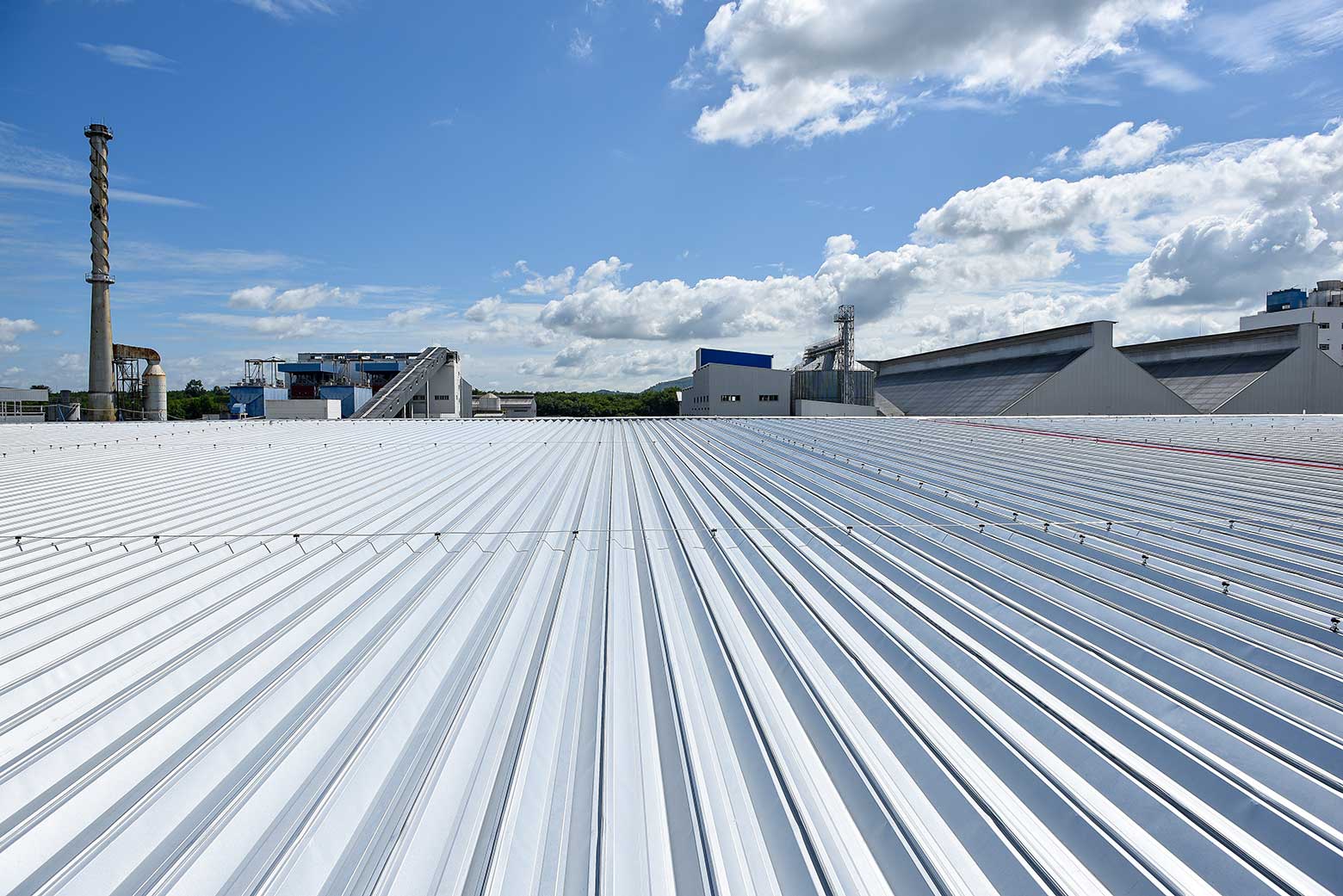
Standing Seam Metal Roofing in West Virginia
Winfield is the kind of local condition that changes Standing Seam Metal Roofing from a product conversation into a roof-asset decision. We check whether water is.
→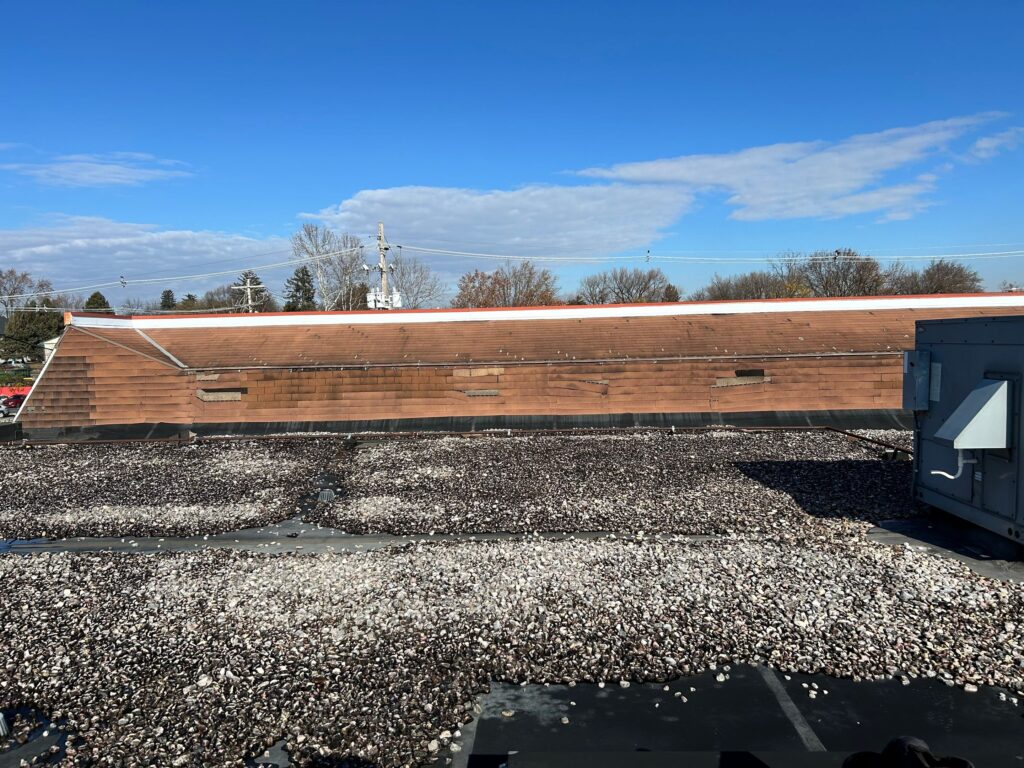
Emergency Tarp Dry In in West Virginia
The roof surfaces near Dunbar and University of Charleston often age in different ways, even when the buildings are only a few miles apart. That is why emergency.
→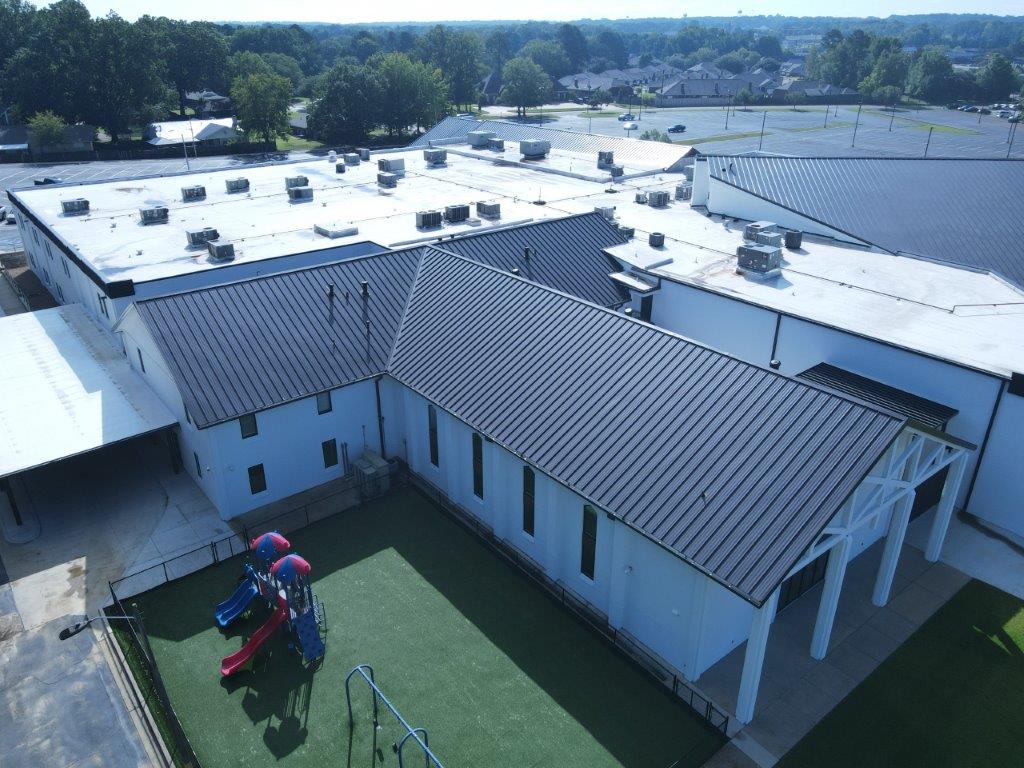
Church and Religious Building Roofing in West Virginia
Charleston, West Virginia's religious community is driven by historic congregations that have shaped the city's civic life since the antebellum era, and Trinity.
→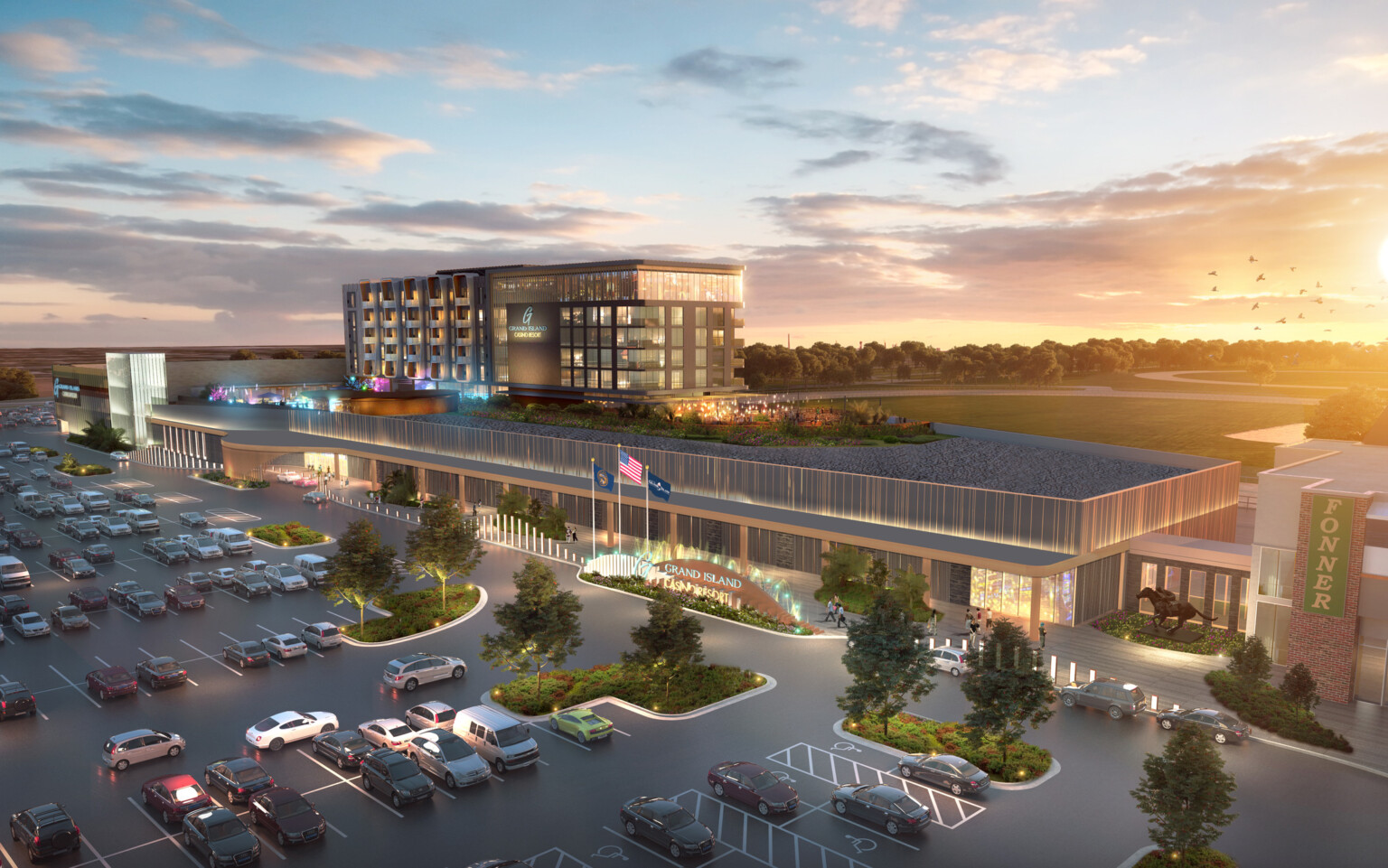
Hotel and Hospitality Property Roofing in West Virginia
Charleston, West Virginia's hotel market reflects the city's dual identity as the state capital and the commercial hub of a region undergoing economic transition.
→