
Charleston's position as West Virginia's capital and largest city makes it the focal point for the state's most ambitious mixed-use redevelopment efforts, with the East End's historic commercial district, the Capitol Street cultural corridor, and the emerging Elk City neighborhood all generating projects that combine ground-floor retail and restaurant uses with apartment and office floors above. The Cultural Center complex near the State Capitol, the adaptive reuse projects transforming the former Kanawha Valley industrial buildings along the river, and the mixed-income workforce housing developments receiving state financing through the West Virginia Housing Development Fund all contribute to a mixed-use pipeline that, while smaller in volume than Sunbelt metros, is technically demanding in ways that reflect the Appalachian climate and the specific regulatory context of West Virginia construction.
The Appalachian climate experienced in Charleston, West Virginia, is one of the more demanding in the eastern United States for low-slope commercial roofing. The Kanawha Valley's geography creates localized weather intensification: cold air drainage from the surrounding ridges concentrates in the valley floor, producing lower winter temperatures than surrounding elevations, while summer humidity arriving from the Ohio Valley combines with topographic lift to generate thunderstorms that can exceed two inches of rainfall per hour. Charleston averages 44 inches of annual precipitation distributed across the full calendar year - unlike southeastern markets where precipitation concentrates in distinct seasons - which means that roofing systems in Kanawha County are under moisture loading pressure year-round rather than for a defined wet season. The city also averages 32 inches of annual snowfall with significant ice storm risk, producing freeze-thaw cycling that begins in October and persists through April.
Adaptive reuse of Charleston's historic commercial buildings along Capitol Street and in the East End creates the most technically demanding roofing conditions in the local mixed-use market. Many of these structures - some dating to the 1890s and 1900s - have had multiple roofing systems installed over their history, and the existing assembly condition can range from relatively sound to catastrophically delaminated. The roofing contractor must conduct a thorough existing assembly assessment before bidding, including moisture survey testing if the existing membrane shows ponding evidence, because the cost of full tear-off to structural deck versus recovering over a sound existing system represents a significant scope variable in a market where project budgets are constrained. West Virginia's older industrial buildings also present asbestos and lead-paint assessment requirements under the West Virginia DEP's hazardous materials rules, which must be addressed before demolition scope is finalized.
Green roofs in Charleston's mixed-use market are gaining traction slowly, driven more by state and federal grant programs that support sustainable building practices than by the market premium that motivates green roof investment in larger metros. The West Virginia Water Research Institute and state Department of Environmental Protection have both published technical guidance supporting vegetated roofs as a stormwater management strategy in the Kanawha watershed, and mixed-use developers who can demonstrate on-site retention through qualifying vegetated systems may be eligible for DEP stormwater permit credits. The Appalachian climate is moderately favorable for extensive sedum systems - summer heat is intense but not as extreme as the Deep South, and winter snow provides moisture buffering that prevents the complete desiccation that challenges desert-climate green roofs.
Rooftop amenity decks on Charleston mixed-use buildings are more modest in ambition than those of coastal resort markets, reflecting the city's practical, working-capital character. Rooftop gathering spaces with fire pits, outdoor seating, and views toward the Kanawha River are the typical program, and the occupied deck waterproofing requirements - dynamic loading from foot traffic, event furniture, and occasional equipment - must accommodate West Virginia's freeze-thaw regime. Pedestal paver systems on protected-membrane assemblies are the appropriate specification: the paver field can be cleared of ice and snow without damaging the waterproofing, and the drainage composite beneath the pavers prevents ice-lens formation from lifting pedestals during the hard freeze cycles that Charleston experiences three to five times each winter.
Fire-rated assemblies in Charleston mixed-use buildings are governed by West Virginia's adoption of the IBC with State Fire Marshal amendments, and the state's smaller building department staff - compared to major metro markets - means that plan reviews for complex mixed-occupancy buildings may take longer than in larger cities. Roofing contractors on Charleston mixed-use projects should submit assembly documentation packages that are complete and self-explanatory, with UL-listed assembly numbers and material submittals for each component, because incomplete submissions trigger additional review cycles that extend already-lengthy approval timelines in a small-state building department context. Engaging the State Fire Marshal's Office early in the design phase for pre-application meetings on complex mixed-occupancy buildings is a standard practice among experienced West Virginia contractors.
The multi-stakeholder complexity of Charleston mixed-use buildings often involves state economic development financing through the West Virginia Economic Development Authority, New Market Tax Credits, and Historic Tax Credits administered through the State Historic Preservation Office. These financing tools - essential for making urban mixed-use projects financially viable in a market with limited luxury demand depth - create documentation and compliance requirements that affect every building system, including roofing. The WV SHPO's review process for historic buildings includes scrutiny of visible roofing elements such as parapet caps, coping details, and rooftop mechanical equipment screening, and the roofing contractor must be familiar with the Secretary of the Interior's Standards for Rehabilitation as applied to West Virginia's specifically reviewed historic building stock.
Noise isolation between commercial and apartment floors in Charleston mixed-use buildings is complicated by the Kanawha Valley's baseline quiet environment - there is no urban white noise masking the mechanical vibration that rooftop equipment generates, and apartment tenants in Charleston are far more sensitive to equipment noise than tenants in larger, louder metros. Rooftop HVAC equipment serving restaurant exhaust systems, commercial kitchen refrigeration, and bar ventilation must be isolated from the structural deck with spring-mounted inertia bases or vibration-isolating curb systems. Acoustic consultants are less commonly engaged on Charleston projects than in major metros, which means the roofing contractor's default specification for equipment isolation must be conservative enough to prevent complaints without specific acoustic engineering guidance.
Charleston's mixed-use development future depends on continued investment through state and federal economic development channels, and the pipeline of projects planned around the Capitol Street revitalization, the Elk City neighborhood infill corridor, and the Kanawha River waterfront redevelopment will require contractors who understand the intersection of Appalachian climate demands, West Virginia DEP and SHPO regulatory processes, and the complex financing structures that make urban mixed-use projects viable in the Mountain State. Contractors who can navigate that full Commercial Roofers of West Virginia - technical performance in a demanding climate, regulatory compliance in a state-specific context, and documentation formats that satisfy multiple public financing requirements - will find consistent opportunity in a market that rewards depth of local knowledge as much as construction quality.
What environmental assessment is required before reroofing a Charleston, WV historic commercial building? West Virginia DEP regulations require asbestos and lead-paint assessment before demolition of older commercial building materials, and many of Charleston's Capitol Street and East End buildings from the early twentieth century contain asbestos-bearing roof felts, insulation, or mastic. A licensed West Virginia asbestos inspector must complete a materials survey before demolition scope is finalized, and abatement must be completed and documented before the roofing contractor begins installation work. Lead paint assessment may also be required if removal of existing parapet coping or flashing materials disturbs painted surfaces. How does the Kanawha Valley's climate affect roof drainage design in Charleston? Charleston's 44 inches of annual precipitation distributed year-round, combined with summer thunderstorm intensities exceeding two inches per hour, requires drain sizing calculated from 100-year storm intensity data for Kanawha County. Emergency overflow scuppers at every level change are essential because the primary drain system can be overwhelmed during high-intensity events. The winter snowmelt season from late February through April adds concentrated melt-water loads that the drainage system must accommodate simultaneously with any late-winter rainfall events, making oversized drainage a safety margin rather than an extravagance. How does the West Virginia State Historic Preservation Office review affect roofing specifications on Charleston adaptive reuse projects? WV SHPO reviews visible roofing elements on buildings eligible for West Virginia Historic Tax Credits under the Secretary of the Interior's Standards for Rehabilitation, which can restrict the options for parapet cap materials, coping profiles, and rooftop equipment screening. Pre-application meetings with SHPO staff before the design development phase are standard practice among experienced West Virginia contractors, and roofing specifications should be developed with the SHPO review timeline in mind to avoid late-design revisions. The contractor's familiarity with Secretary of the Interior Standards, and with the specific precedents established by previous Charleston SHPO reviews, is a meaningful qualification in this market. What freeze-thaw considerations are specific to occupied rooftop decks in Charleston's climate? Charleston's three to five hard freeze cycles per winter create ice-lens formation risk beneath pedestal paver systems if the drainage composite is not properly sized to drain fully before each freeze cycle. Ice lens growth can lift paver pedestals and crack grout joints in mortar-set systems, which is why loose-laid pedestal systems are preferred over adhered installations in freeze-thaw climates. The waterproofing membrane beneath the pedestal system must also maintain flexibility at sub-freezing temperatures; standard EPDM or modified bitumen systems specified for warmer climates may become brittle enough at 5°F to crack at fastener locations under foot traffic or snow removal equipment loads. What state financing programs are available for Charleston mixed-use projects and how do they affect roofing scope? West Virginia Economic Development Authority financing, New Market Tax Credits, and WV Historic Tax Credits each carry specific compliance requirements for building systems that affect roofing documentation and maintenance protocols. NMTC compliance monitors typically conduct annual property assessments that include building envelope condition, and deferred maintenance becomes a compliance documentation event. WV Historic Tax Credits require SHPO sign-off on exterior modifications, including visible roofing work, throughout the compliance period. Contractors who deliver documentation packages formatted for each applicable compliance program - rather than a single generic closeout package - provide meaningful value to mixed-use developers navigating West Virginia's layered public financing tools.Q&A
Questions about Mixed-Use Development Roofing
How is the next roof step decided on a West Virginia mixed-use development?
Ground-floor retail hours, apartment tenants on the upper floors, rooftop amenity or mechanical loads, and differing warranties across sections all factor in. A downtown Charleston mixed-use building also weighs drainage, membrane age, and tenant leases before repair, recover, or replacement.
Can a mixed-use building stay occupied during the work?
Usually yes. Work is phased so storefronts stay open and upper-floor tenants keep access, with noise control over dwelling units, protected entrances, and daily dry-in so both retail and apartment tenants continue uninterrupted.
What should ownership send before a mixed-use roof walk?
Send leak photos, the roof plan showing amenity decks and mechanicals, tenant and lease constraints, warranty paperwork, roof age, interior leak points by tenant space, and the contact who coordinates rooftop access.
Related Roof Decisions
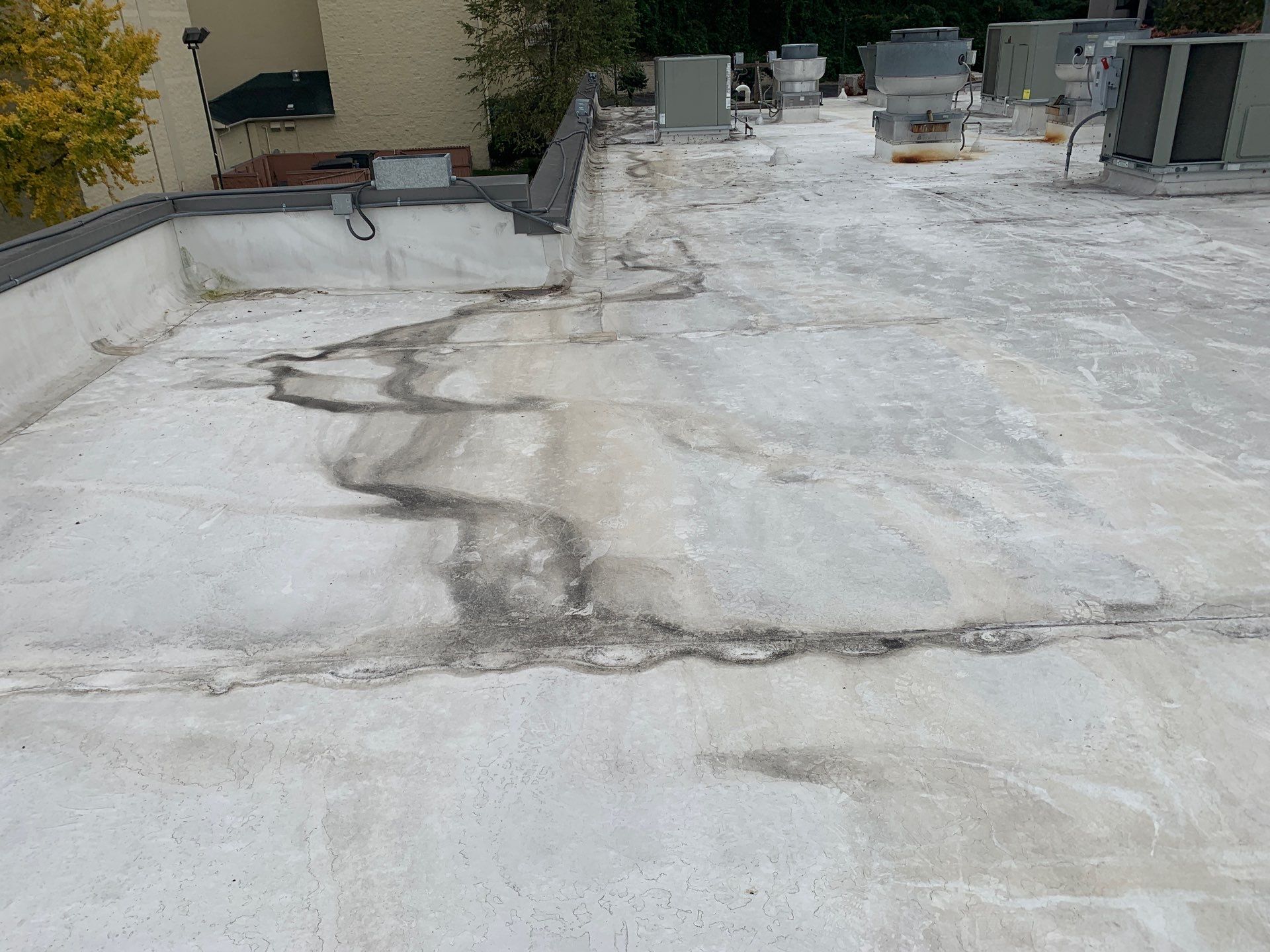
Wind Damage Roof Restoration in West Virginia
Budgeting Wind Damage Roof Restoration around Malden starts with constraints that are easy to miss from a satellite view. Rooftop units, parapet height, older.
→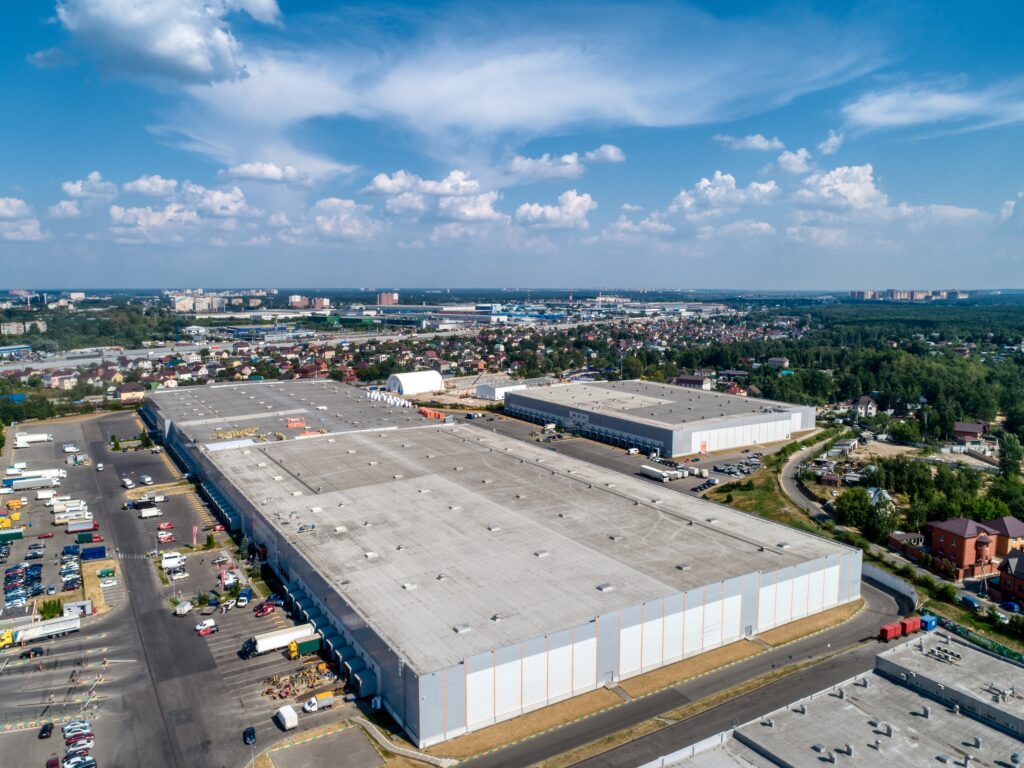
Warehouse and Distribution Center Roofing in West Virginia
Mountaineer Keystone's cold-storage and distribution operations serving the Kanawha Valley represent the kind of large-footprint Warehouse Roofing challenge that.
→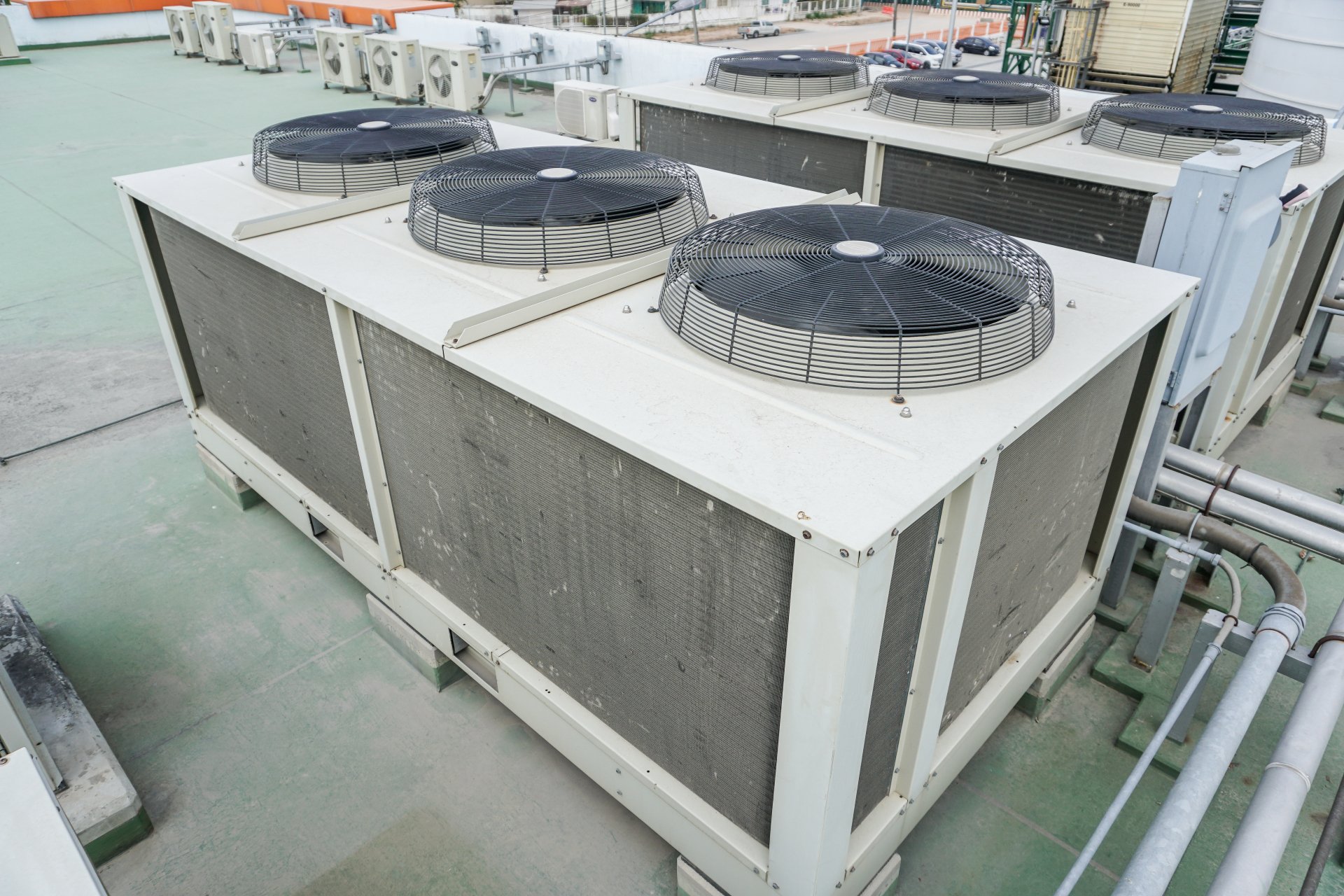
Restaurant and Food Service Building Roofing in West Virginia
Charleston's restaurant scene stretches from the brick-lined blocks of Capitol Street to the riverside dining spots along the Kanawha, and every one of those.
→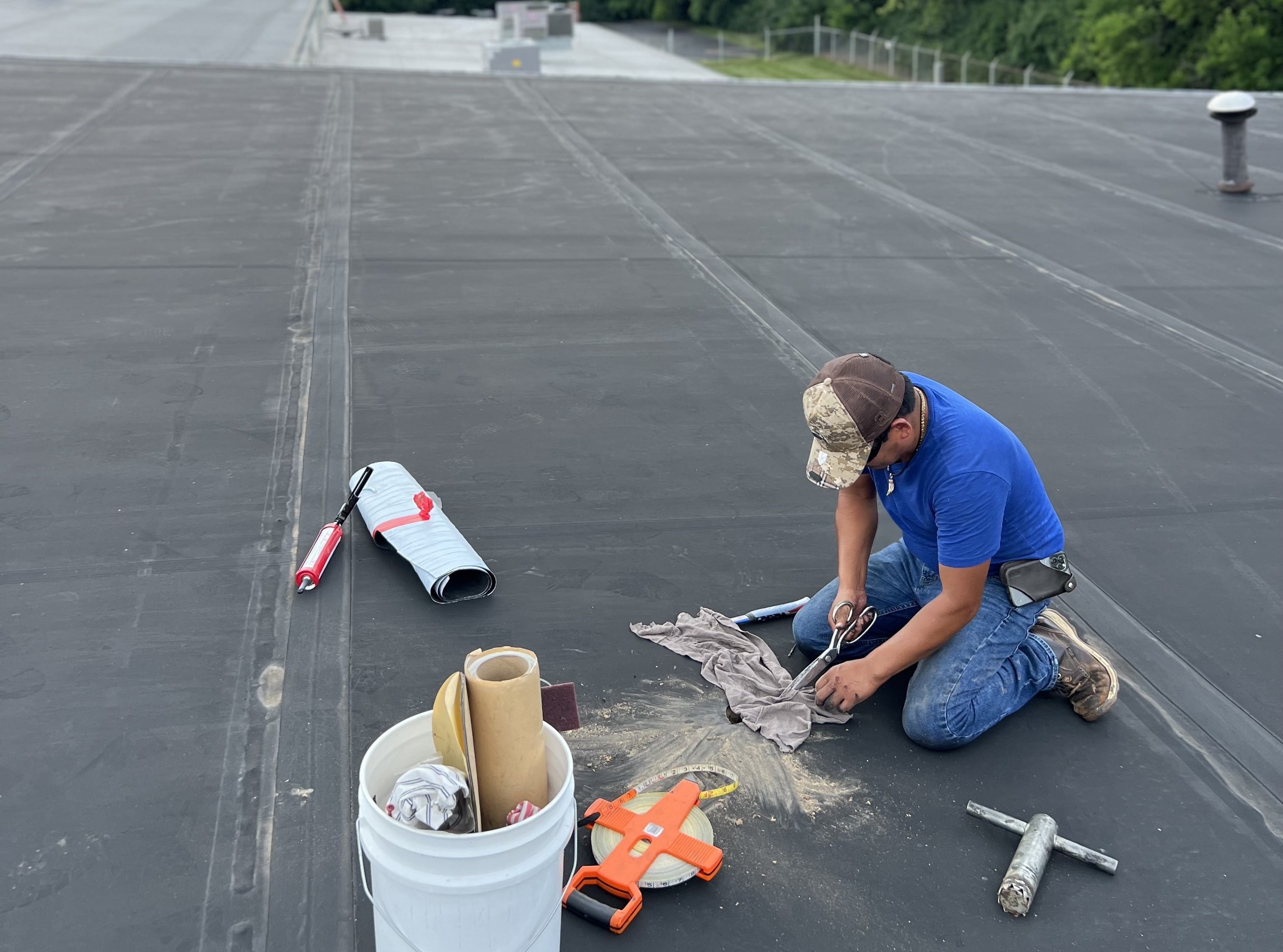
Commercial Roof Preventive Maintenance Program in West Virginia
West Virginia's commercial market concentrates in Charleston along the I-64 and US-60 corridors, with significant activity in the Capital Center employment zone.
→