
Charleston serves as West Virginia's capital and its largest city, concentrating an unusually dense collection of state government buildings, Kanawha County facilities, and City of Charleston municipal structures within a relatively compact urban footprint along the Kanawha River. The West Virginia State Capitol complex - the gilded dome visible from across the river valley - anchors a campus of state agency buildings whose roofing systems must meet both the technical demands of West Virginia's four-season climate and the historic preservation requirements that govern alterations to one of the most architecturally significant government complexes in the Appalachian region. Commercial roofing contractors in Charleston operate in a market where state government work, county and municipal contracts, and federally funded projects each follow different procurement pathways and compliance requirements, making procurement literacy as important as technical competency.
West Virginia's climate subjects Charleston government buildings to weathering cycles that combine summer heat and humidity with cold winters, significant ice and snow loads, and the freeze-thaw transitions that damage flashing details and membrane edge terminations. The Kanawha River valley geography concentrates fog, humidity, and cold air drainage in ways that can extend winter conditions and delay spring installation windows for temperature-sensitive roofing products. Government facilities managers in Charleston have learned to build longer project schedules than the roofing scope alone would suggest, accounting for weather delays, procurement lead times for specialty materials, and the extended inspection and approval processes that government contracts require before final payment is released.
State government roofing projects in Charleston are managed through the West Virginia Division of Facilities and Buildings, which oversees the state's owned and leased building portfolio including the Capitol campus, state agency office buildings, state police headquarters, and other state-owned facilities concentrated in the Charleston area. DFB procurement follows West Virginia purchasing statutes and the rules of the Purchasing Division within the Department of Administration, with competitive sealed bidding required above established thresholds and contracts subject to approval by the state's chief procurement officer for projects above certain values. Roofing contractors must be properly licensed under West Virginia's contractor licensing requirements and registered as vendors in the state's procurement system to participate in solicitations.
The Kanawha County Courthouse and other county government buildings follow county commission procurement procedures separate from state and city procurement. Kanawha County's capital improvement projects for roofing and facilities work are administered through the county commission, with public meetings and formal votes required for contract approvals that exceed the commission's authority to approve administratively. City of Charleston roofing contracts for municipal facilities - fire stations, the police department complex, City Hall, and public works facilities - follow the city's purchasing ordinances with their own bid advertisement and approval requirements. Contractors working regularly in the Charleston government market must track solicitations across all three jurisdictions simultaneously, as opportunities do not follow a predictable calendar.
West Virginia's prevailing wage law applies to public improvements above specified contract amounts, requiring contractors to pay wage rates for construction classifications determined by the West Virginia Division of Labor. The West Virginia prevailing wage rates are published periodically and are incorporated by reference into government construction contracts, and contractors must post required notices at the job site and submit certified payroll records demonstrating compliance. Federal Davis-Bacon requirements apply separately to federally funded projects, including federally assisted housing, public facilities receiving federal grants, and construction at facilities operated by federal agencies or under federal programs present throughout the Charleston area. Contractors operating in both the state and federal government markets must maintain the payroll systems and administrative staff to comply with both sets of requirements.
The West Virginia State Capitol building and the surrounding Capitol Campus structures are listed on the National Register of Historic Places and are subject to Section 106 consultation requirements for federally assisted undertakings and review by the West Virginia State Historic Preservation Office for state undertakings. Roofing work on the Capitol dome's metal roofing systems and on the adjacent state agency buildings requires the most rigorous preservation review process that Charleston contractors will encounter, with material samples, mock-ups, and phased review cycles that extend project timelines significantly compared to standard government roofing work. Contractors who have navigated the SHPO review process on other West Virginia historic government buildings bring institutional knowledge that reduces the learning curve and manages client expectations appropriately.
Charleston fire station roofing presents the operational challenges common to all urban fire department facilities, with the added complexity that West Virginia's aging building stock means some station structures require structural evaluation before new roofing systems can be specified. The Charleston Fire Department operates stations throughout the city, and the combination of cold-climate structural considerations and the operational requirements of an active fire station means that pre-construction condition assessments should be treated as a standard part of project development rather than an optional preliminary. West Virginia's frequent weather events - winter ice storms, spring flooding from the Kanawha River, and summer thunderstorms - mean that fire stations must maintain rooftight conditions throughout the construction period, placing premium on contractors who can manage temporary waterproofing measures during phased tear-off and replacement sequences.
Energy efficiency in West Virginia government buildings is driven by state energy policy goals, federal agency requirements for federally funded facilities, and the straightforward economics of reducing energy costs in a state with significant public building inventory and limited state budget flexibility. Charleston's government buildings have benefited from the West Virginia Division of Energy's programs and from federal funding streams that support energy efficiency improvements in public facilities. Roofing specifications on larger Charleston government buildings increasingly incorporate thermal performance requirements - minimum insulation R-values, continuous insulation above the deck - alongside reflective membrane provisions that reduce cooling loads in summer while avoiding adverse impacts on the building's winter heating requirements in West Virginia's cold climate zone.
Bonding requirements for West Virginia government roofing contracts follow the state's public works bond statutes, requiring performance and payment bonds on public construction above applicable thresholds. West Virginia's payment bond provisions protect subcontractors and material suppliers working on public projects where mechanic's lien rights against government property are unavailable, and subcontractors in the Charleston roofing market should understand payment bond claim procedures before committing to subcontract work on government projects. Contractors with strong relationships with their surety underwriters and the financial standing to support bond capacity commensurate with the scale of state and county contracts they pursue will find that bonding is an enabling competitive asset rather than a compliance burden in Charleston's government roofing market.
Does West Virginia require prevailing wages on Charleston government roofing contracts? West Virginia's prevailing wage law applies to public improvement contracts above applicable thresholds, requiring contractors to pay wage rates published by the West Virginia Division of Labor and maintain certified payroll records. Federal Davis-Bacon requirements apply separately to projects with federal financial participation, and both can apply to federally assisted projects in Charleston. How does the West Virginia Division of Facilities and Buildings procure roofing services? DFB follows West Virginia Purchasing Division rules, requiring competitive sealed bidding above established thresholds with contracts subject to chief procurement officer approval for large projects. Contractors must hold required West Virginia contractor licenses and be registered as vendors in the state's procurement system to participate. What preservation review applies to roofing work on the West Virginia State Capitol? The Capitol Campus is listed on the National Register of Historic Places, and roofing work requires West Virginia SHPO review for state undertakings and Section 106 consultation for federally assisted projects. Material samples, mock-ups, and phased review cycles are standard for Capitol campus work, extending project timelines significantly compared to non-historic government roofing. How does West Virginia's winter climate affect roofing project scheduling in Charleston? West Virginia's cold winters, ice storms, and freeze-thaw cycles limit installation windows for temperature-sensitive roofing products and create structural challenges in older buildings. Charleston government contracts should include weather-day provisions, and project schedules should be fit to the late spring through early fall installation window to minimize cold-weather complications. What bonding is required for Kanawha County and City of Charleston roofing contracts? West Virginia public works bond statutes require performance and payment bonds on public construction above applicable thresholds, with the payment bond protecting subcontractors and suppliers since mechanic's liens against government property are not available. Contractors must maintain sufficient surety capacity to support bonds at the contract values required for larger county and city projects.Q&A
Questions about Government and Municipal Building Roofing
How is the next roof step decided on a West Virginia government or municipal building?
Public-safety continuity, deck moisture, membrane wear, drainage, rooftop equipment, and any open bond or grant funding all steer the call. Courthouses, city halls, and county annexes also carry procurement rules and warranty terms that shape whether repair, recover, or full replacement fits.
Can a municipal office stay open to the public while the roof is worked on?
Usually yes. We phase work over secured wings, protect public entrances and records areas, plan daily dry-in, and coordinate with facility teams so permit counters and council chambers keep operating throughout the project.
What should a public-works or facilities office send before a roof walk?
Send leak photos, the roof plan, warranty and prior bid paperwork, roof age, interior leak points, any capital-budget constraints, and the contact who controls secured rooftop access for the government facility.
Related Roof Decisions
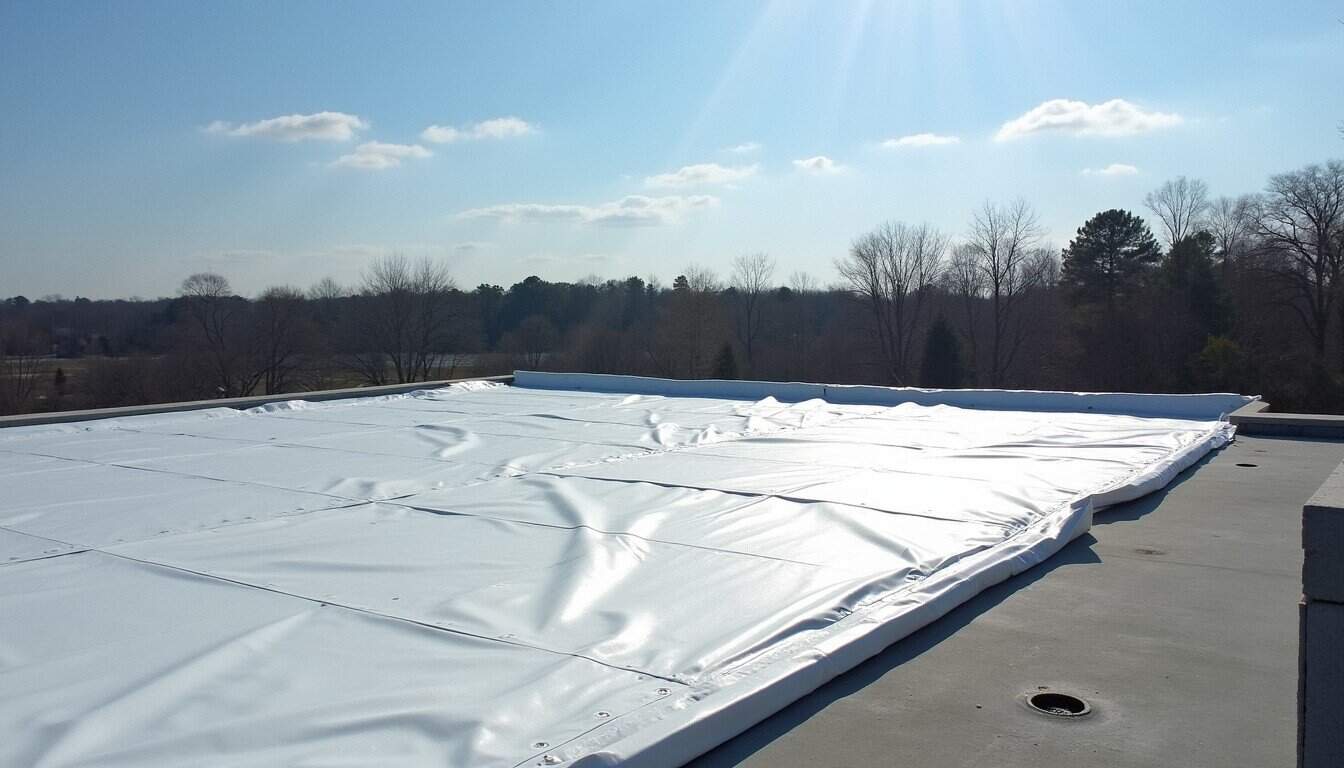
Storm Damage Roof Repair in West Virginia
West Virginia's commercial market concentrates in Charleston along the I-64 and US-60 corridors, with significant activity in the Capital Center employment zone.
→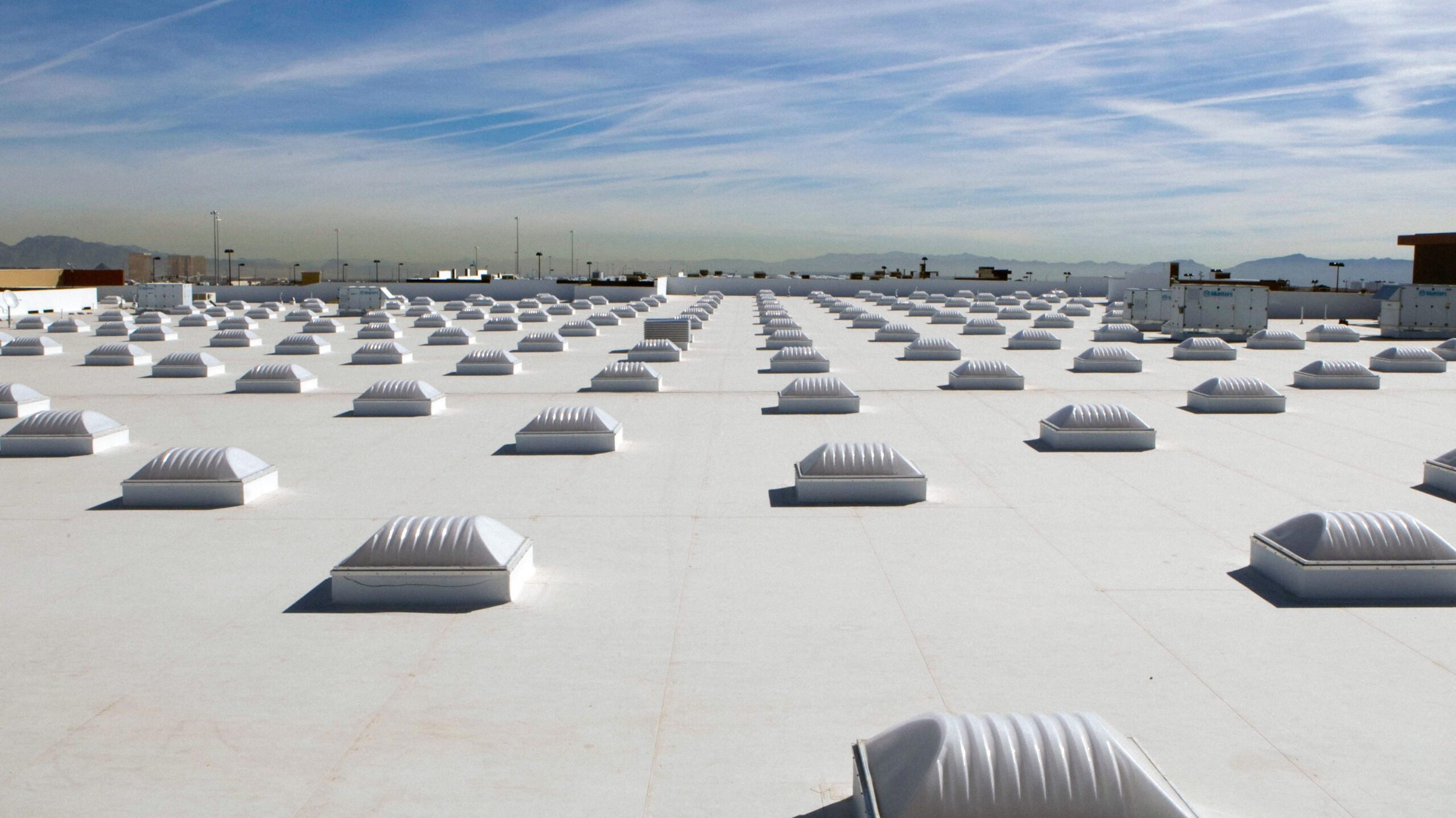
Energy-Efficient Cool Roof Installation in West Virginia
The first clue on Energy-Efficient Cool Roof Installation is often not the leak mark; it is the route water took between Dunbar and Rand. We trace seams, drains.
→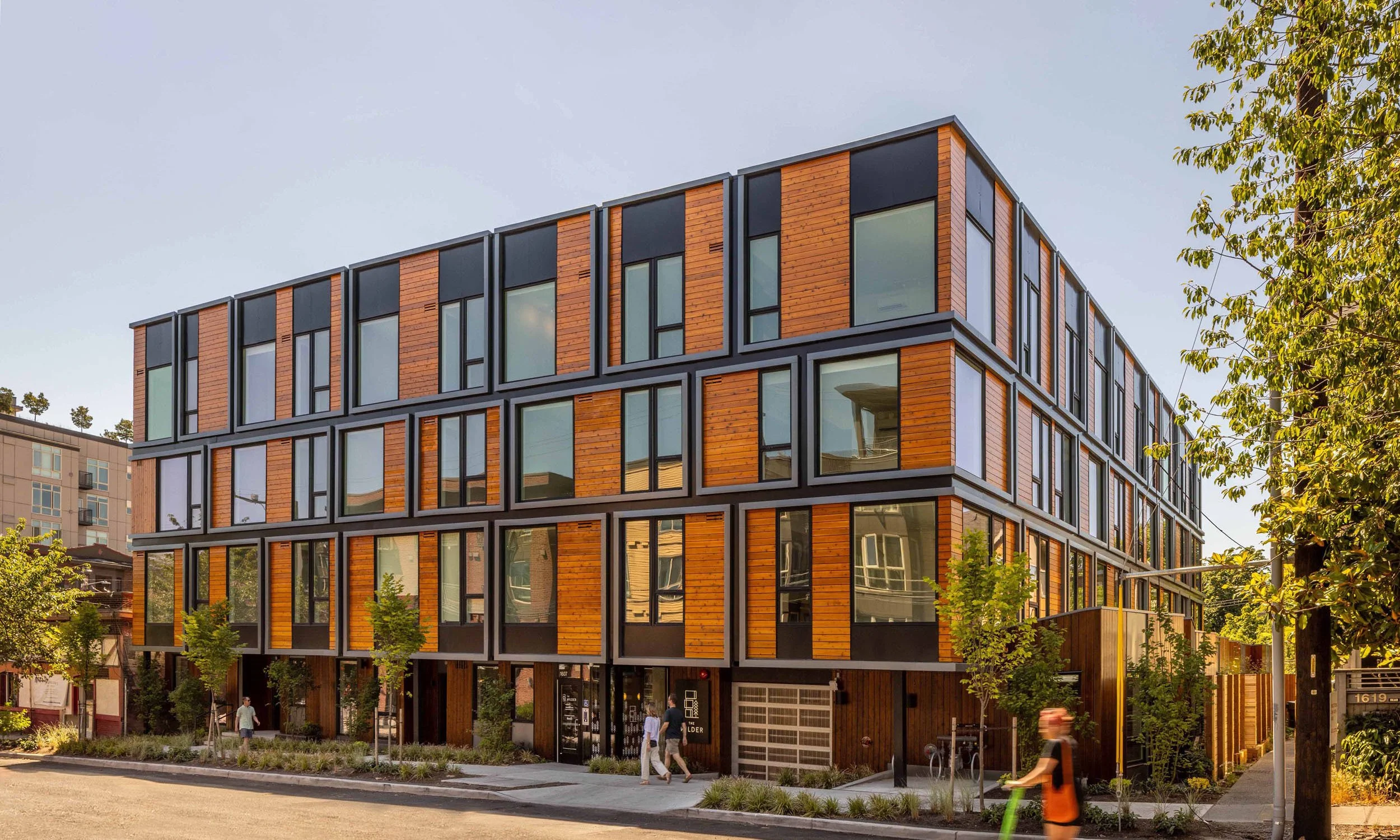
Multifamily and Apartment Building Roofing in West Virginia
Charleston, West Virginia's multifamily housing market reflects the economic complexity of a state capital that has weathered decades of energy sector volatility.
→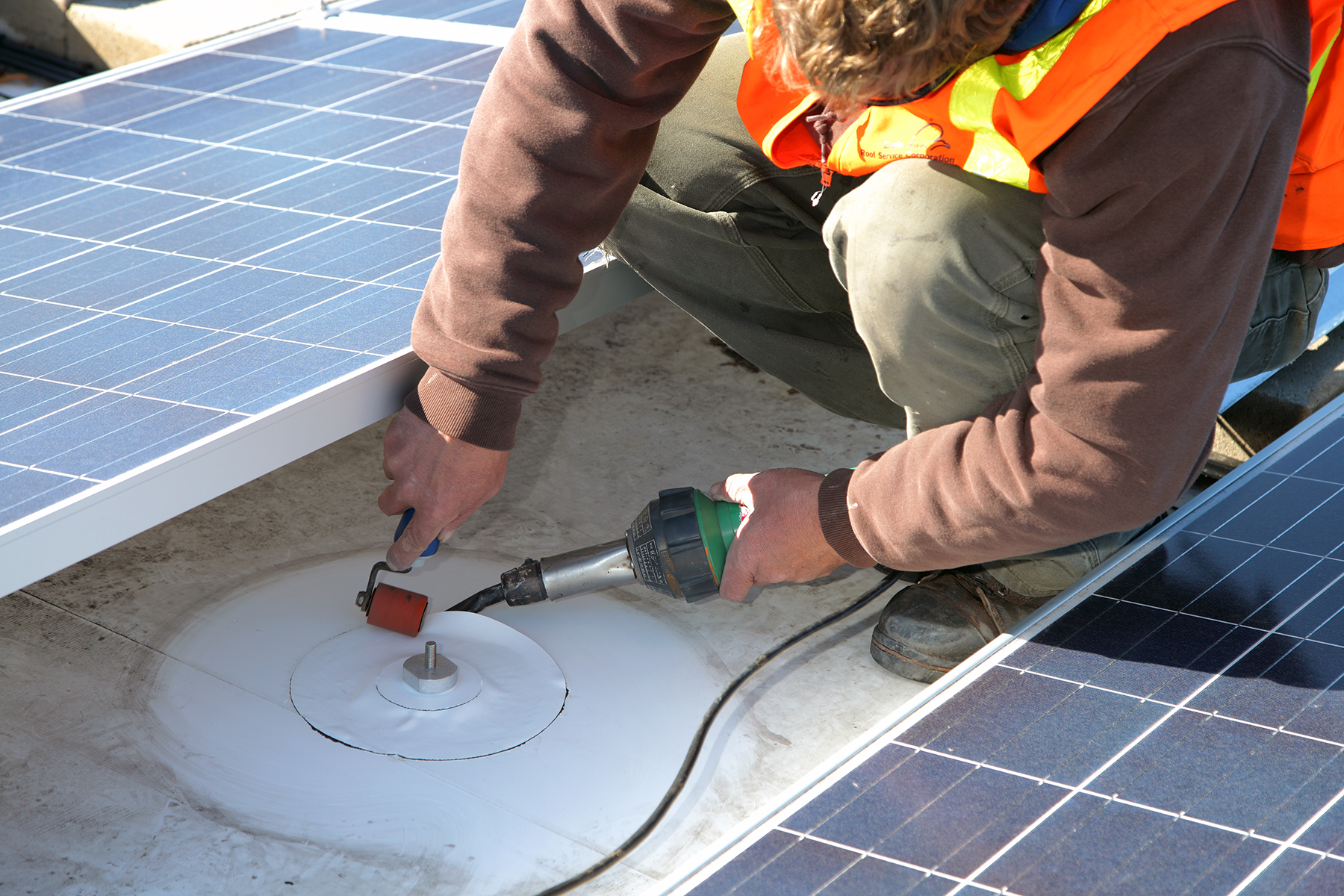
Commercial Solar Roof Integration in West Virginia
A rooftop solar array is one of the longest-lived things a Charleston building owner will ever bolt to a roof, and it is almost always specified by people who never.
→