
Cox Automotive-affiliated dealerships, along with independent groups like Broh Automotive serving the Kanawha Valley, operate vehicle sales and service facilities whose roofing conditions are shaped by the Appalachian climate's full range of weather stresses. Charleston, West Virginia auto dealerships deal with snow load management on showroom roofs, ice storm events that deposit heavy glaze ice across service building surfaces, and a freeze-thaw cycle that works relentlessly against any improperly detailed penetration or flashing joint throughout the extended shoulder seasons. Managing a dealership facility in this environment requires roofing systems that were designed for it, not systems transplanted from milder climates without climate-appropriate modifications.
Snow load on West Virginia dealership showroom buildings is a structural concern that deserves periodic reassessment, particularly on wide-span post-and-beam showroom structures built in earlier decades. The Kanawha Valley's ground snow loads, combined with the drift accumulation that forms at parapet walls on the downwind side of a large flat roof, can produce localized loads that exceed the original design parameters on buildings that are now thirty or forty years old. Any dealership reroofing project that adds insulation thickness must include a structural load evaluation by a licensed West Virginia engineer before proceeding.
Ice storms hit the Charleston area with regularity, and their effect on dealership service buildings - with their many penetrations, large HVAC equipment, and frequent foot traffic for maintenance access - is more damaging than equivalent snowfall. Ice deposits weight rapidly, creates drainage barriers that trap meltwater under the ice sheet, and then breaks free in large sheets that can damage edge metal, scuppers, and even parked vehicles below when it slides off. Service department roofing that has ice sheet release areas should have edge details designed to contain or direct the release, preventing falling ice from becoming a liability hazard at vehicle service entrances.
Service department penetrations on Charleston dealerships must accommodate compressed air systems, automotive lift hydraulic lines, exhaust ventilation, and HVAC equipment through flashing details that survive the freeze-thaw cycle reliably. SBS-modified bitumen at penetration details - used as flashing material even when TPO is the field membrane - provides the low-temperature flexibility that prevents cracking at penetration edges during cold snaps. We specify SBS flashing at all penetrations on every West Virginia dealership project, regardless of the field membrane selection.
Auto dealership showrooms in Charleston often feature high-bay windows and architectural roof elements that create aesthetic interest but roofing complexity. Stepped roof levels, canopy projections over entrance drives, and glazed curtain wall sections that extend to the roofline all require transition flashings designed to handle differential thermal movement between the building structure and the roofing system above. These transitions are the most common leak source on Charleston dealership roofs, and they deserve particular attention during any inspection or re-roofing project.
Vehicle inventory protection during roofing projects in Charleston requires planning for the unpredictable precipitation events that West Virginia's shoulder seasons deliver. An October project that starts in mild weather can encounter a late-season rain-snow mix within days, and our project sequencing always maintains finished membrane edges at section boundaries regardless of current conditions. Emergency cover materials are staged on-site from the first day of tear-off, and daily weather monitoring determines the extent of open section that each work day can safely address.
The Kanawha Valley's industrial history has left some Charleston dealership properties on sites that were previously used for other commercial purposes, and soil conditions and drainage patterns may reflect that history. Properties with compromised subsurface drainage sometimes experience elevated humidity at the building structure level that affects insulation performance and membrane adhesive behavior. We assess site drainage as part of roofing evaluations on older Charleston properties, and we identify conditions that may affect roof system performance even before installation begins.
Energy performance considerations for Charleston dealerships are shaped by both summer cooling needs and significant winter heating requirements. The appropriate insulation R-value for West Virginia's Climate Zone 5 is higher than the values required in southern states, and current state building code requirements for commercial roof insulation reflect that. A reroofing project that addresses insulation to current code requirements not only achieves regulatory compliance but provides measurable heating cost reduction for the large service department volumes that are expensive to heat through a West Virginia winter.
Auto dealership operators throughout the Kanawha Valley - from South Charleston and Dunbar through St. Albans and the communities east toward Beckley - can request a complimentary commercial roofing assessment addressing snow load capacity, ice storm resilience, penetration flashing condition, and energy performance. We provide written reports appropriate for dealership capital planning, insurance documentation, and West Virginia building code compliance review.
How should a Charleston WV auto dealership manage ice on its service department roof? Do not allow employees on the roof during an active ice event - safety is the priority. After the ice event ends and conditions are safe, inspect scuppers and overflow drains for ice blockage and clear them to allow meltwater evacuation as the ice begins melting. Engage a professional crew for any mechanical ice removal, using plastic tools and experienced operators who know how to avoid membrane damage. Document the event for insurance purposes if accumulation levels were significant. What roof membrane type performs best in Charleston WV's freeze-thaw climate? SBS-modified bitumen with granulated cap sheets provides the most reliable freeze-thaw performance for Charleston's climate. The SBS rubber modifier maintains flexibility down to minus 20 degrees Fahrenheit, preventing the brittle cracking that can occur with other membrane types during the rapid temperature drops that West Virginia cold fronts can produce. Fully adhered 60-mil TPO is also a good choice if installed with SBS flashing material at all penetrations and perimeter edges. How do I know if my Charleston dealership showroom roof has adequate snow load capacity? If you have the original structural drawings, a licensed structural engineer can review the design load and compare it to current code requirements for the location. If drawings are not available, a field assessment by a structural engineer can estimate capacity from observable structural members. Any reroofing project that adds insulation - and therefore dead load - should be reviewed by a structural engineer before proceeding. Can Auto Dealership Roofing work proceed in winter in West Virginia? Yes, with cold-weather protocols. West Virginia winters produce many days with temperatures adequate for roofing work when appropriate cold-weather materials and techniques are used. Projects that begin in late summer or fall can often complete before severe winter conditions arrive, and most Charleston-area roofing contractors have cold-weather capability for work that must proceed through the winter months. What energy code requirements apply to dealership roof insulation in West Virginia? West Virginia has adopted the International Energy Conservation Code, which requires continuous insulation R-values of approximately R-20 to R-25 for commercial roofs in Climate Zone 5. Compliance is required for reroofing projects that replace the insulation assembly. Projects that are membrane-only replacements over undisturbed insulation may qualify for a prescriptive exception, which we evaluate during the proposal phase of every West Virginia dealership project.Q&A
Questions about Auto Dealership Roofing
What decides the next roof step for an auto dealership?
We weigh showroom leak risk over inventory and finance offices, deck moisture, drainage across large flat spans, rooftop HVAC serving the service bays, membrane age, and warranty terms. Those findings guide a Charleston dealership toward repair, recover, or replacement.
Can the dealership stay open during roof work?
Usually yes. We phase work over the showroom, service bays, and parts areas so sales and service continue, cap open sections daily, protect vehicles and customers below, and stage lifts away from the lot and drive lanes throughout the project.
What should a dealership owner send before a roof walk?
Provide leak photos from the showroom or service area, roof plans marking HVAC and exhaust, warranty records, the roof's age, prior bids, and a contact for access. Notes on peak sales hours help us schedule the walk around dealership operations in the Kanawha Valley.
Related Roof Decisions
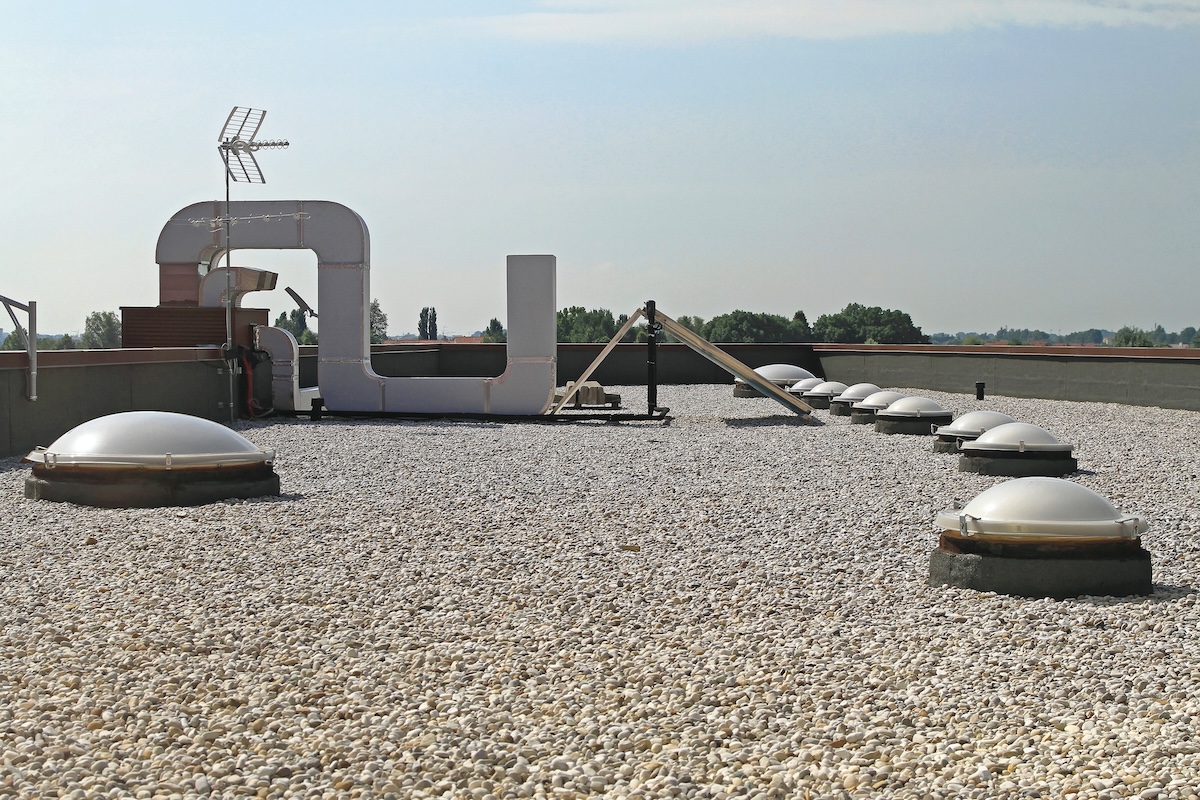
Built-Up Roofing BUR in West Virginia
Budgeting Built-Up Roofing BUR around Capitol Street starts with constraints that are easy to miss from a satellite view. Rooftop units, parapet height, older.
→
Commercial Roof Service Agreements in West Virginia
Budgeting Commercial Roof Service Agreements around South Hills starts with constraints that are easy to miss from a satellite view. Rooftop units, parapet height.
→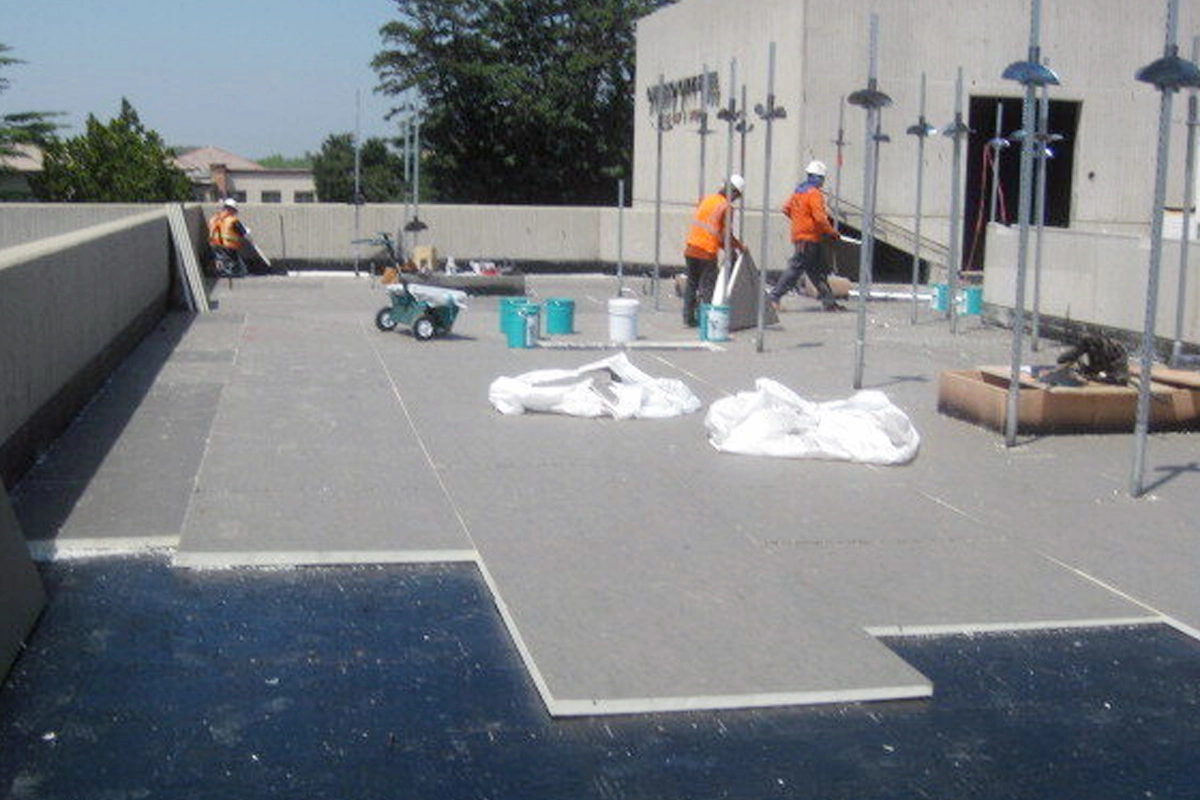
Insulation and Recovery Board in West Virginia
Insulation and Recovery Board on a Charleston commercial building has to respect both the roof and the day below it. Around CAMC Memorial, crews may be working.
→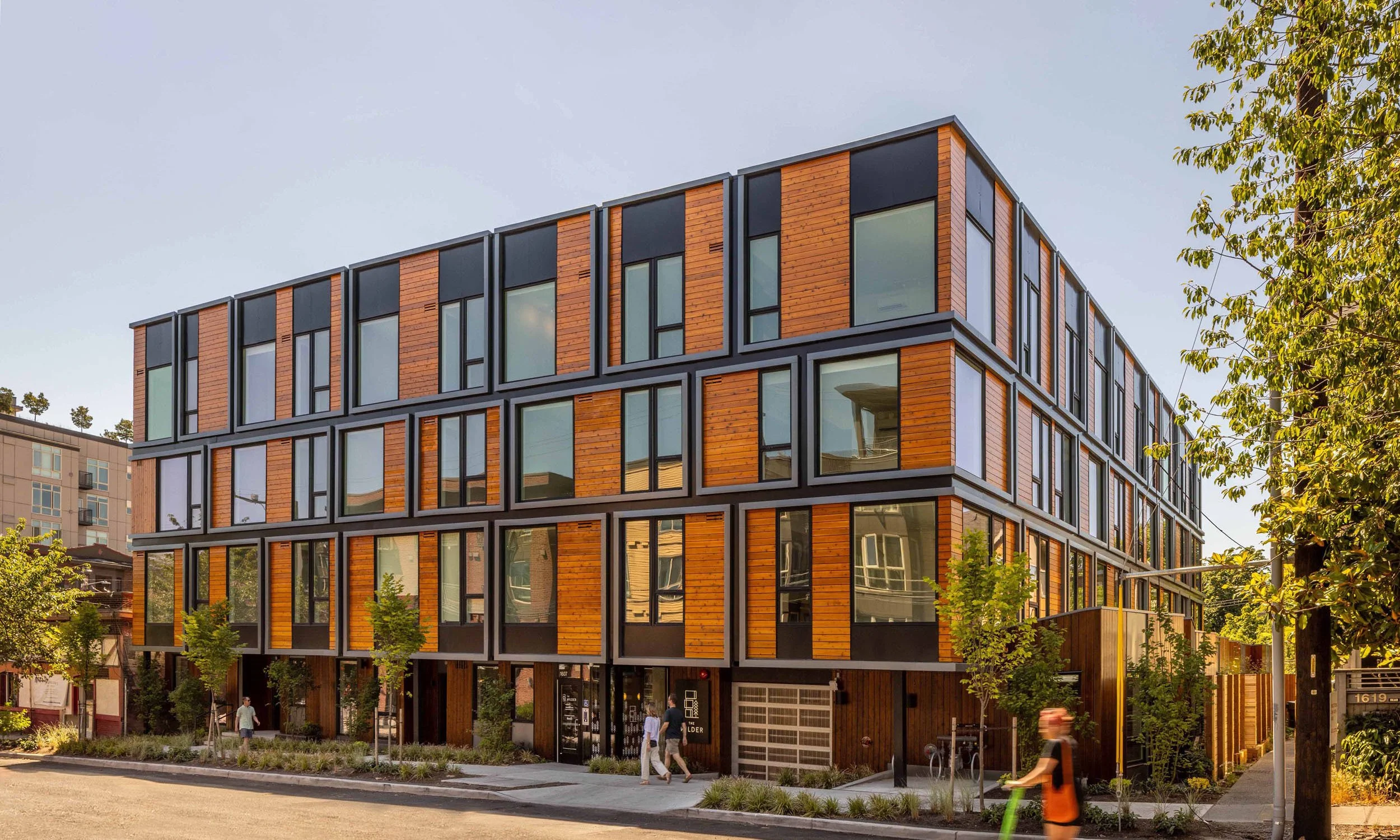
Multifamily and Apartment Building Roofing in West Virginia
Charleston, West Virginia's multifamily housing market reflects the economic complexity of a state capital that has weathered decades of energy sector volatility.
→