
One building, several roofs: mixed-use waterproofing in Charleston
Mixed-use is the project type where a single address can hide three or four completely different roofing problems stacked on top of each other. A storefront at street level, offices or apartments above, an amenity terrace, and a parking deck tucked into the base each behave differently, fail differently, and carry their own warranty. Charleston has leaned hard into this format over the past decade, from the redevelopment along the Elk City corridor on the West Side to upper-story multifamily conversions in the downtown core around Capitol and Summers streets and the Slack Plaza area. Treating one of these buildings as a single flat plane is the fastest way to a callback. We scope them vertically, because that is how water moves through them.
A podium deck is waterproofing, not roofing
The most expensive mistake we see on Charleston mixed-use projects is specifying a standard roofing membrane for the podium, the structural deck that sits over ground-floor retail or parking and supports occupied space above. A podium has to carry pedestrian and sometimes vehicle traffic, resist constant hydrostatic pressure under planters, block root intrusion from landscaping, and flex with structural deflection without splitting. That calls for a traffic-bearing waterproofing assembly with drainage composite, root barrier, and protection course, designed alongside the structural engineer's load path. A field roofing membrane dropped onto a plaza deck typically fails inside five years, and by then the finishes and planting on top of it have to come off to reach it. We build the podium as its own assembly from the start.
Upper floors, penthouses, and the rooftop amenity deck
Higher up, the multifamily or office roof brings a different list: parapet drainage that has to clear before it backs up against occupied units, mechanical penthouse flash-throughs, elevator overrun and machine-room enclosures, and the increasingly common rooftop amenity deck. An amenity terrace, with pavers or a finished walking surface over the membrane, needs the same traffic-bearing waterproofing logic as the podium rather than an exposed field membrane. We install and warranty those assemblies in coordination with the deck-finish contractor so the people enjoying the rooftop view never become the reason the retail tenant two floors down gets a wet ceiling.
Working over tenants who never close
The hardest constraint on Charleston mixed-use work is that the building stays alive underneath you. Retail keeps its doors open, residents are home at all hours, and the city's noise expectations downtown govern how early a crew can start. We phase the work so loud tear-off happens in windows that building management has cleared with tenants, contain dust and debris over occupied entrances, and confirm daily dry-in in writing before any crew leaves. Access planning matters as much as the membrane itself here. Staging a hoist or a material lift on a downtown block means coordinating around storefront deliveries, multifamily parking, and pedestrian traffic, and around the I-64 and I-77 routes that feed material trucks into the core.
Coordinating with everyone who has a stake in the roof
On a ground-up or major-renovation mixed-use job we are rarely working alone. The general contractor, the mechanical and plumbing trades, the structural engineer, and often a building-envelope consultant all touch the roof and the podium. We work inside that submittal and quality-control framework rather than around it: manufacturer-approved system submittals, a waterproofing mock-up before full installation, inspections at the critical phases, and an NDL warranty registered at closeout. Lenders and developers on these projects expect that paper trail, and we keep it from pre-construction through the final walk so the building's roofing and waterproofing can be financed, sold, and managed without surprises.
Matching systems to each part of the building
Because no two zones of a mixed-use building are alike, the spec usually is not either. A low-slope office or multifamily roof may run 60-mil TPO or PVC, an exposed parapet-bounded terrace may take a hot-applied or reinforced traffic membrane, and a visible steep-slope street face may call for standing-seam metal to carry the architecture. We document each zone, specify it on its own merits, and tie the warranties together so the owner has one accountable contractor rather than a patchwork of finger-pointing if a seam ever lets go.
Where the warranties meet is where mixed-use buildings fail
The seams between assemblies are the real risk on these buildings, and not just the physical seams. A mixed-use roof might carry a single-ply warranty on the office level, a hot-applied or traffic-membrane warranty on the amenity terrace, and a separate waterproofing warranty on the podium, often from different manufacturers with different inspection requirements and different exclusions. When water shows up two floors down, the last thing an owner needs is three warranty providers each pointing at the other's transition detail. We map those boundaries before anything is installed, specify a defined tie-in where two systems meet, and get each manufacturer to acknowledge the adjoining work so no one can later disown the joint. On Charleston's adaptive-reuse projects, where a single-ply roof on a new addition has to lap into the existing masonry parapet of a hundred-year-old downtown building, that boundary detail is the whole job. We also flag the warranty conditions that owners trip over later, such as required maintenance inspections and restrictions on who can put a satellite dish, a solar array, or a new HVAC unit through the membrane, so a future tenant build-out does not quietly void the coverage the developer paid for.
Mixed-Use Development Roofing Questions
What's the difference between roofing and waterproofing on a mixed-use podium deck?A roofing membrane is built for drainage and occasional maintenance foot traffic. A podium has to handle structural deflection, root intrusion from planters, constant hydrostatic pressure, and pedestrian or vehicle loads, so it needs a traffic-bearing waterproofing assembly with drainage composite and root barrier. A standard membrane on a plaza or amenity deck is the wrong spec and usually fails within five years.
How do you coordinate roofing work with occupied multifamily and retail uses below?We phase the work around windows that building management clears with tenants, contain noise and dust over occupied entrances, and confirm daily dry-in in writing before any crew leaves. Hoist and material-lift placement, elevator use, and common-area access are coordinated with management ahead of mobilization.
Do you handle rooftop amenity decks on mixed-use buildings?Yes. Amenity terraces need a traffic-bearing waterproofing assembly under the finish surface, not an exposed field membrane. We specify, install, and warranty those assemblies in coordination with the deck-finish contractor and the structural engineer of record.
What documentation do mixed-use developers and lenders require?Typically architect-reviewed submittals, manufacturer approval of the specified system, a mock-up before full installation, quality-control inspection reports, manufacturer rep inspections at critical phases, and an NDL warranty registered at closeout. We work inside that submittal and QC framework from pre-construction through final inspection.
Can you reroof an occupied mixed-use building during a renovation?Yes, and we do it regularly in Charleston's core. It depends on disciplined daily dry-in, phased sequencing, and clear notice to building management and affected tenants. We do not demobilize at the end of a day until the work area is watertight.
Q&A
Questions about Mixed-Use Development Roofing
What determines the next roofing step on a West Virginia mixed-use development?
Membrane condition across retail, office, and multifamily levels, drainage on varied low-slope and podium decks, moisture near restaurant exhaust and shared mechanicals, warranty terms, and multiple stakeholders all shape whether the roof needs repair, recover, or replacement.
Can a mixed-use building stay occupied during roof work?
Usually yes. We phase the roof over ground-floor retail, offices, and residences in turn, coordinate access with each use, and dry in nightly so tenants and building owners are never left exposed. Staging is kept off storefronts and courtyard entrances.
What should ownership send before a mixed-use roof walk?
Send roof plans showing retail exhaust and shared mechanical curbs, leak photos by level, prior proposals, warranty paperwork, roof age, and a property manager who can arrange access across the retail, office, and multifamily areas for the walk.
Related Roof Decisions
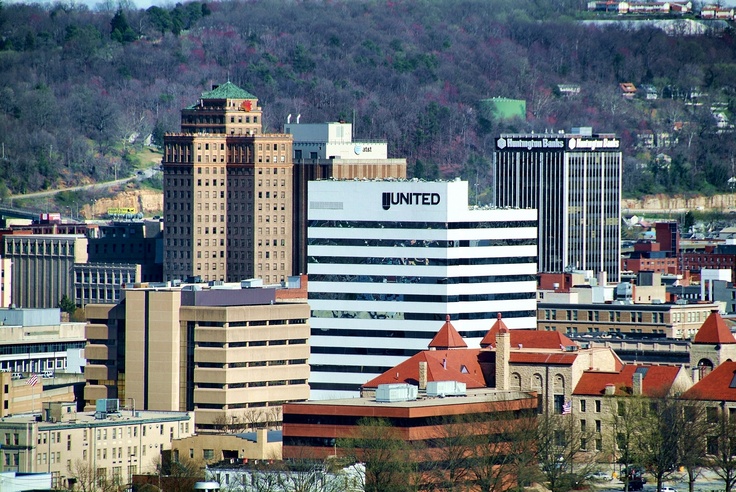
Cold Storage Roofing in West Virginia
I-64 and I-77 split is the kind of local condition that changes Cold Storage Roofing from a product conversation into a roof-asset decision. We check whether water.
→
K-12 School Roofing in West Virginia
The first clue on K-12 School Roofing is often not the leak mark; it is the route water took between I-77 and Chelyan. We trace seams, drains, scuppers, curb.
→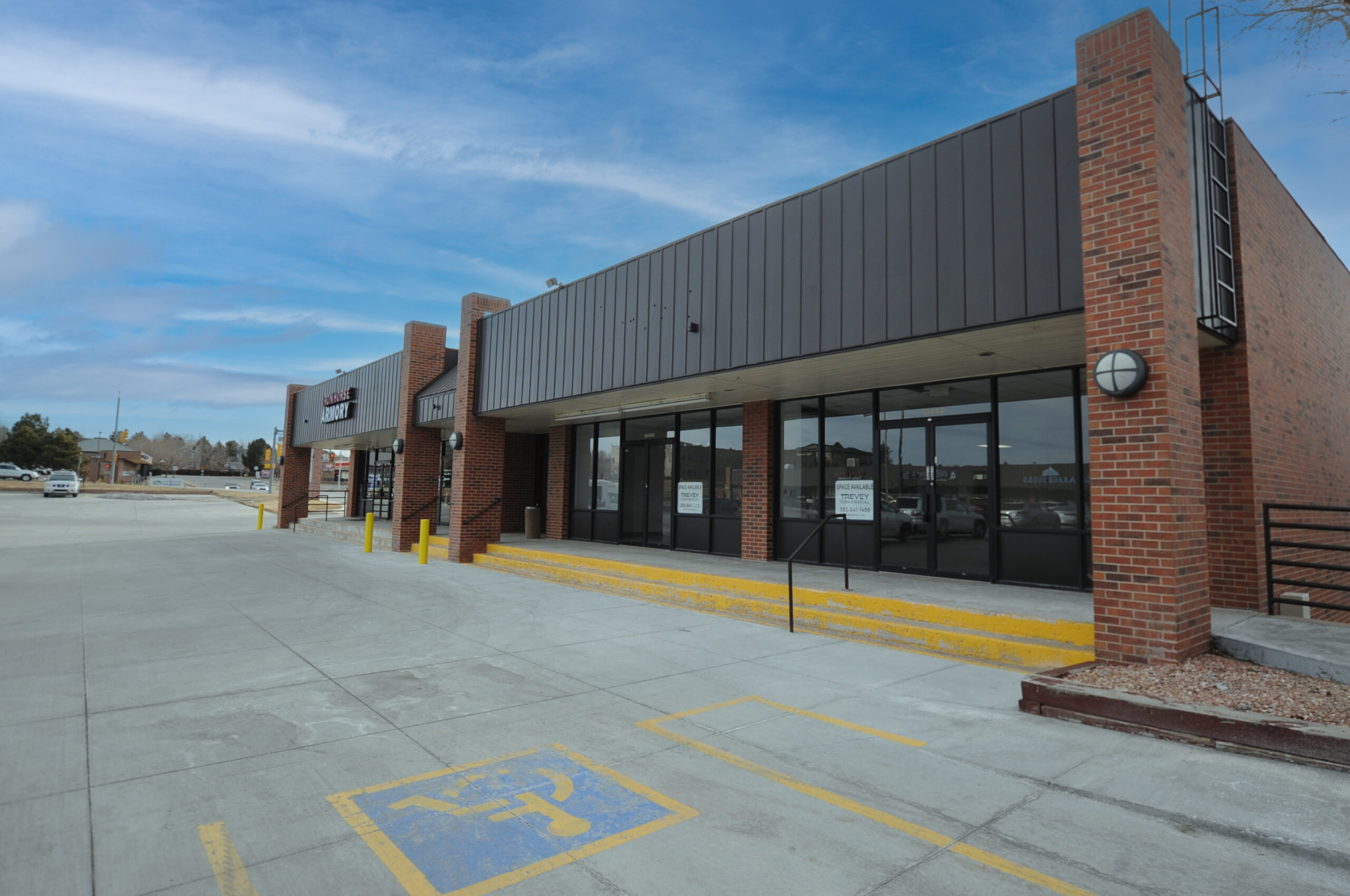
Convenience Store Roofing in West Virginia
When an owner asks about Convenience Store Roofing, we do not start with a brochure. We start with the weather, the roof assembly, the access route, the interior exposure.
→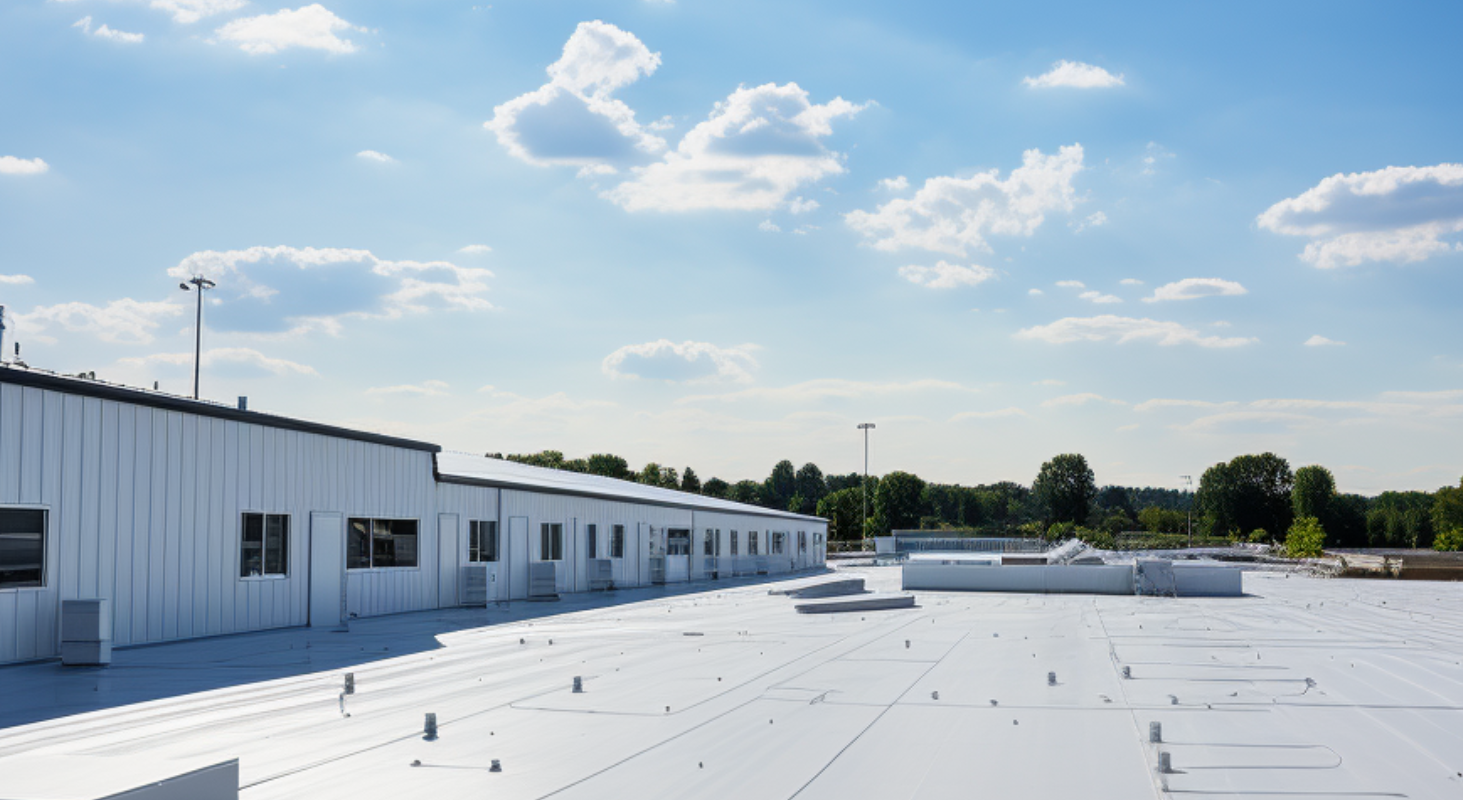
Food Processing Facility Roofing in West Virginia
A food plant asks the roof to manage two opposite conditions at once. On the production floor, daily washdown and processing heat push warm, saturated air up into.
→