
A roof measured in acres, scheduled in minutes
An automotive plant turns roofing into a logistics problem. The deck is enormous, the production line underneath has a known cost for every hour it stops, and the work has to advance across acres of membrane without the people building cars ever feeling it. We approach automotive manufacturing roofs in Charleston the way the plant approaches its own line: phased, sequenced, and planned to the shift, because on these buildings the schedule is as much a part of the spec as the membrane.
The automotive sector is a named pillar of the Kanawha Valley economy alongside chemicals and healthcare, and the supplier base feeding regional assembly runs through the industrial parks around Charleston and South Charleston, including the manufacturing tenants drawn to the West Virginia Regional Technology Park and the established plants along the river corridor. Parts move on tight just-in-time windows over I-64, I-77, and I-79, so a Tier 1 or Tier 2 shop here has no more tolerance for an unplanned interruption than an OEM line does.
Phasing a very large deck
Assembly, stamping, and powertrain buildings carry some of the largest single-envelope roofs in commercial construction, and you cannot reroof that area in one move. We section the deck into workable zones, sequence tear-off and material delivery to stay inside crane reach and on-roof storage limits, and keep production running in the zones we are not touching. The point is continuity: the line in the next bay stays live while the active phase advances, and nothing gets opened that cannot be closed and dried in before the next shift walks in under it.
Ventilation and process loads
These plants move a lot of air and carry a lot of weight on the roof. Process exhaust, weld-smoke and fume extraction, large makeup-air handlers, and dust collection all penetrate the membrane in dense runs, and each one is its own flashing and curb detail rather than a repeated stamp. Where process equipment, conveyors, or material handling load the structure from above, we confirm the deck capacity before settling insulation thickness and attachment, so the roof we build matches the loads the plant actually puts on it.
The two zones that change everything: paint and presses
Two areas on an automotive plant force the rest of the roofing plan to bend around them, and both need to be identified before a crew ever mobilizes.
Paint shop hot-work restrictions
Paint operations generate solvent vapor and carry fire-suppression rules that govern any open flame, spark, or grinder on the roof above and around them. We build the hot-work plan with the plant's environmental and safety team during pre-construction and design the membrane attachment to fit it - cold adhesive or mechanical fastening over paint-adjacent zones where torch work is excluded, never solvent-based adhesive over an active paint line. These are not surprises discovered mid-project; they are scope inputs we plan from the start.
Press and machining vibration
Stamping presses, casting equipment, and heavy machining transmit vibration up into the deck at frequencies an ordinary commercial roof never experiences, and over years that energy can fatigue membrane seams and flashings that were detailed for a static building. Over press and powertrain bays we account for that exposure directly - in the seam welding procedure and quality checks, in flashing detail at penetrations, and in the attachment method - so the assembly holds together under the buzz of a working press floor.
Logistics on a campus that never stops moving
The work of a large reroof is half roofing and half traffic management. An automotive campus runs inbound parts trucks on tight just-in-time windows, finished-vehicle hauls, employee shift changes, and its own maintenance traffic, and our cranes, material drops, and tear-off debris have to thread through all of it without becoming the bottleneck. We coordinate crane placement and delivery timing with the plant's logistics group so a lift never blocks a dock during a delivery window, stage materials in the zones we are actively working rather than spreading them across the roof, and route debris removal away from the gates that feed the line. Fall protection, perimeter controls, and overhead protection at occupied entrances are planned for a workforce that is on site around the clock, because on these buildings the people below us never really leave. The roofing crew operates as one more scheduled element of a plant that is already choreographed to the minute.
Membrane and system selection at scale
For large-span automotive decks we most often specify 60-mil or 80-mil TPO mechanically attached, with tapered insulation added wherever drainage has degraded over the decades. Where paint-zone hot-work limits rule out the fastener pattern, we shift to a fully adhered system in those areas. Everything is verified against the existing deck: gauge, rib profile, and pull-out values on older steel deck differ from modern deck, and on structurally constrained buildings we confirm capacity before we add insulation weight.
What an automotive plant roof project covers in Charleston
Before and during the work, our planning for these facilities centers on:
- A documented production-shift schedule and a zone-by-zone phasing plan that keeps the line running
- Paint-shop hot-work coordination and attachment methods that respect torch exclusions
- Vibration-aware seam and flashing detailing over press, stamping, and powertrain bays
- A full penetration and curb inventory for process exhaust, fume extraction, and makeup air
- Deck capacity verification against process loads, equipment, and insulation weight
- Daily dry-in confirmed before every shift change, with direct contact to the plant maintenance lead
We treat Tier 1 and Tier 2 supplier buildings with the same discipline as an OEM line, because their just-in-time commitments leave just as little room for an interruption. The deliverable is a large-scale reroof that lands without stopping production: phased across the deck, detailed for paint and press realities, and documented to the format your facility engineering group expects. For an assembly, stamping, powertrain, or supplier plant in the Charleston region, we can put a phasing plan and a fixed scope in front of your facilities team.
Q&A
Questions about Automotive Manufacturing Facility Roofing
What decides the next roof step on an automotive manufacturing plant?
Condition of large low-slope membrane over the line, seam integrity, drainage across the span, process exhaust and heavy rooftop unit loads, vibration, and roof age together shape whether coating, recover, or replacement fits the plant.
Can the production line keep running during roof work?
Usually yes. We phase over sections of the plant, coordinate shutdown and exhaust windows with the facility team, control debris near the line, and dry in each area daily so manufacturing continues.
What should ownership send before a manufacturing roof walk?
Send leak photos over the line, roof plans, rooftop equipment and exhaust layouts, warranty documents, roof age, past proposals, and the plant contact who coordinates access around production shifts.
Related Roof Decisions

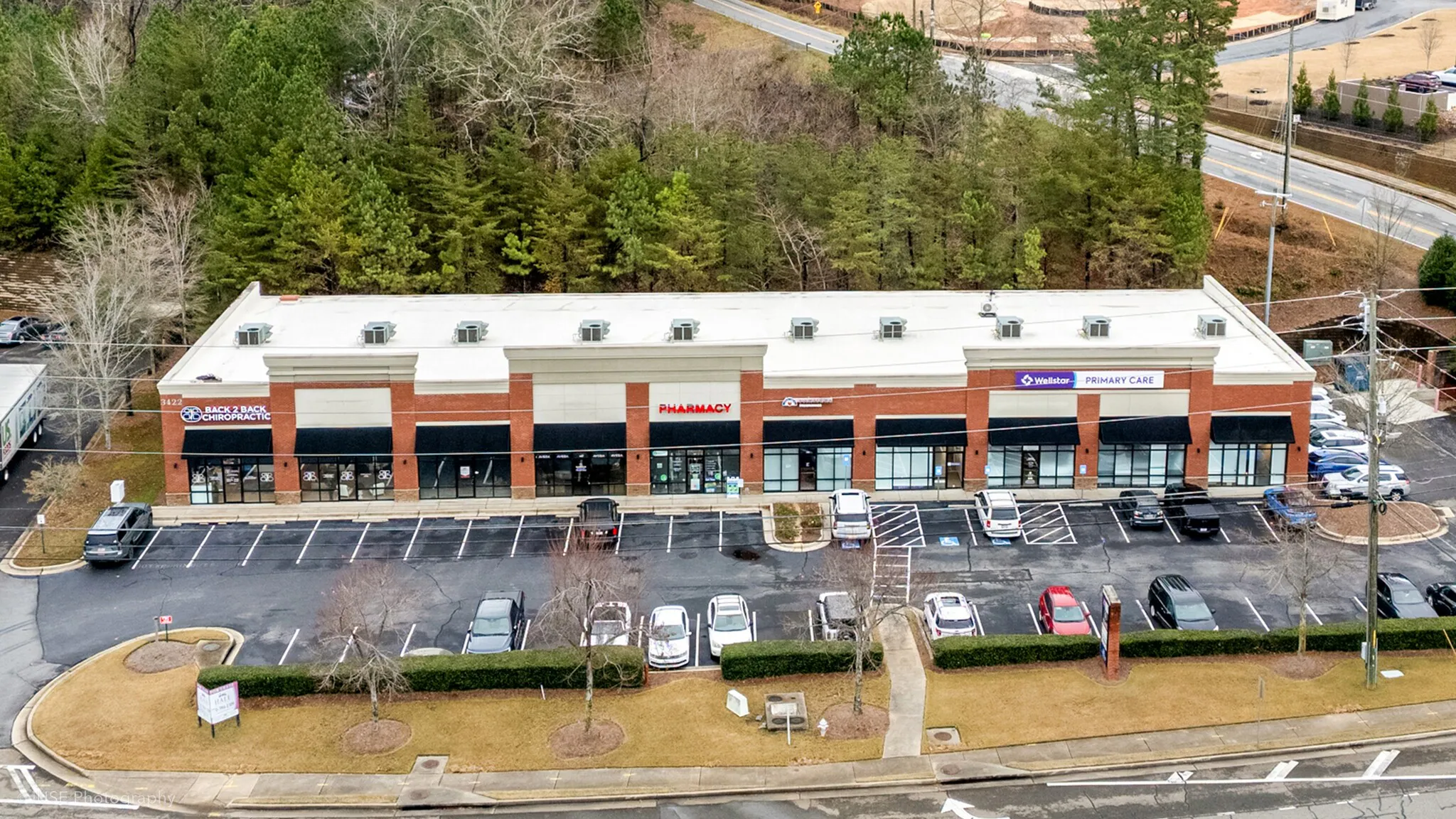
Multi-Family and Apartment Complex Roofing in West Virginia
When an owner asks about Multi-Family and Apartment Complex Roofing, we do not start with a brochure. We start with the weather, the roof assembly, the access.
→
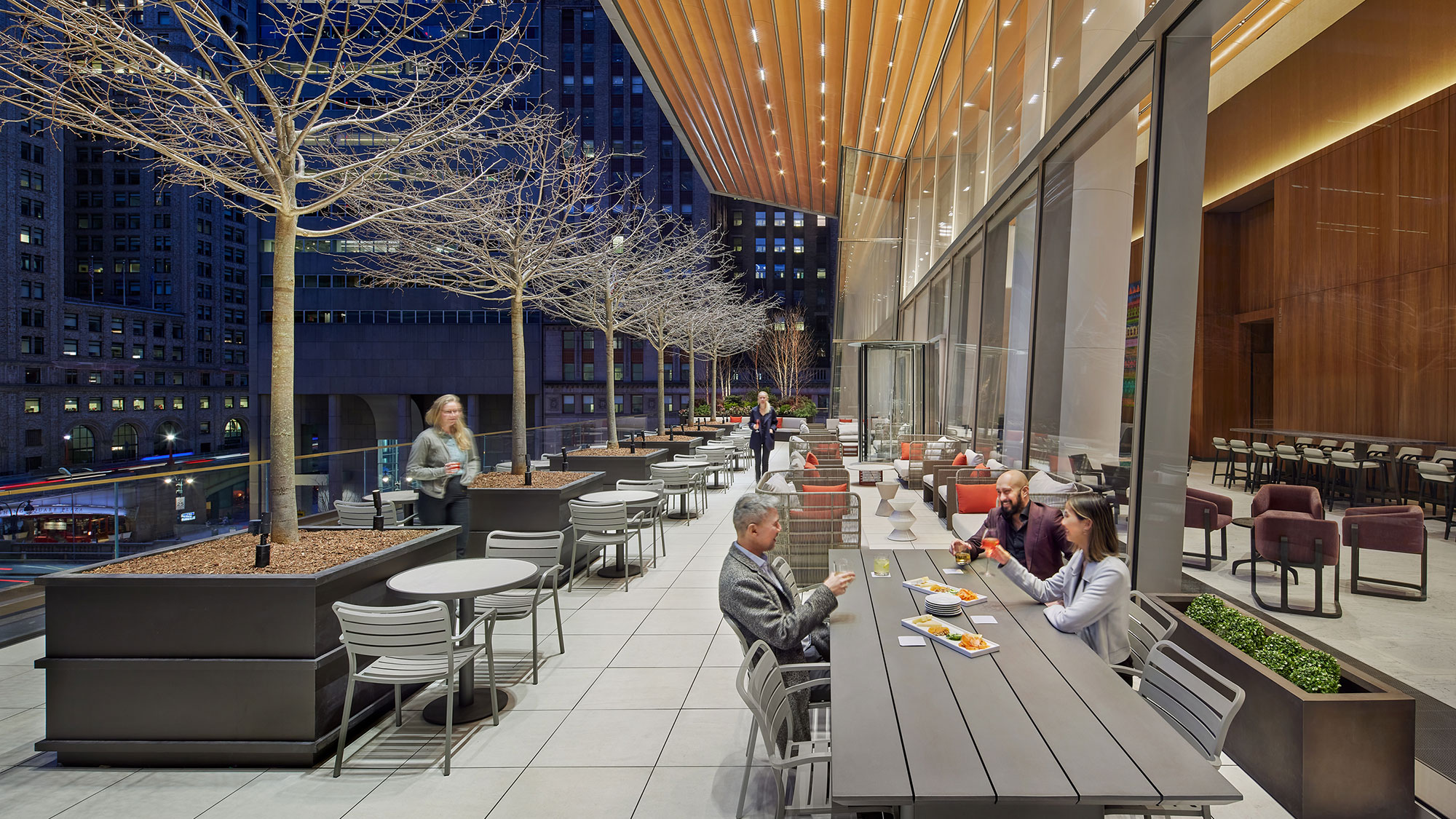
Grocery Store Roofing in West Virginia
When an owner asks about Grocery Store Roofing, we do not start with a brochure. We start with the weather, the roof assembly, the access route, the interior exposure.
→
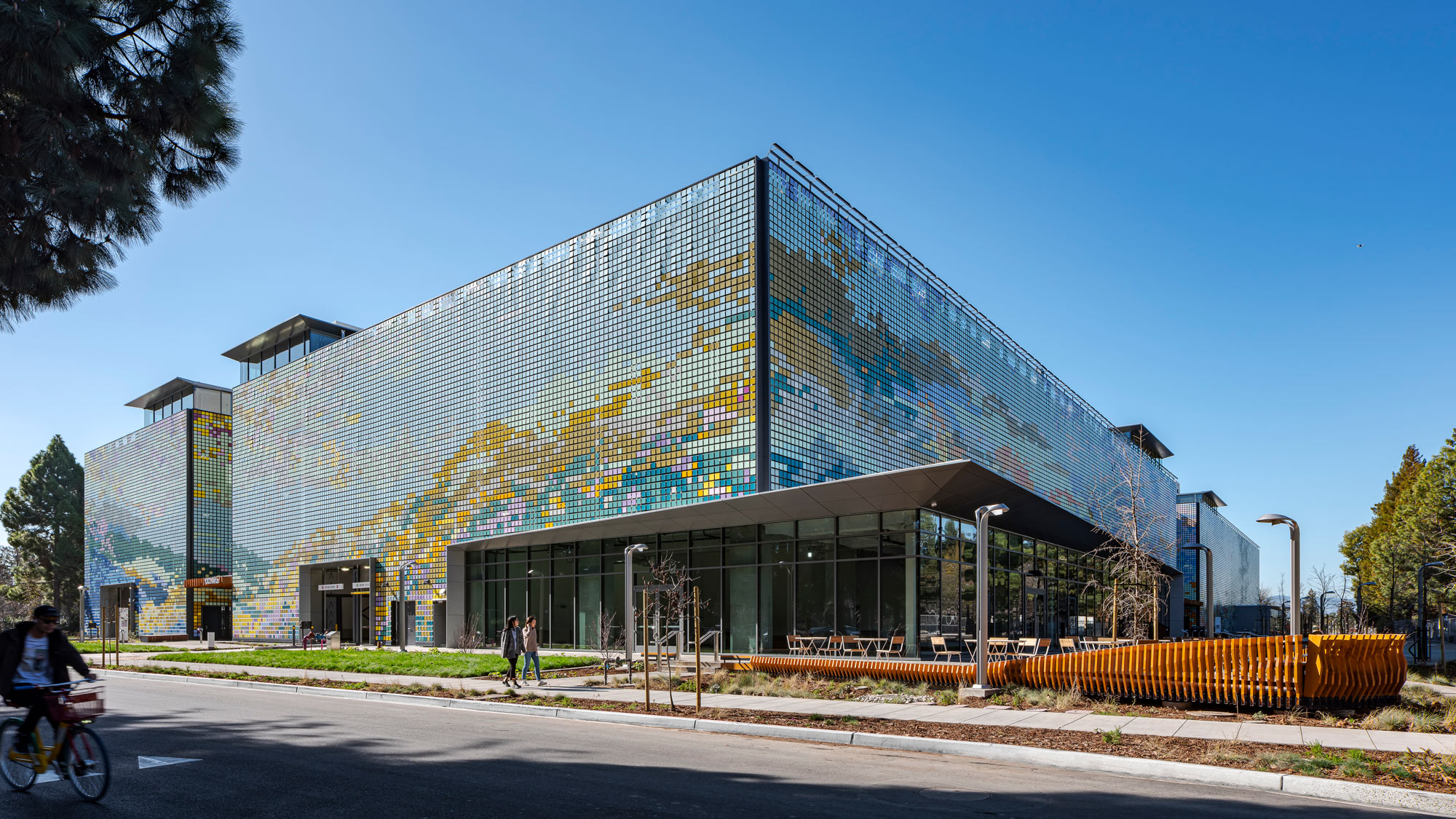
Mixed-Use Development Roofing in West Virginia
Mixed-use is the project type where a single address can hide three or four completely different roofing problems stacked on top of each other. A storefront at.
→
Parking Structure & Deck Waterproofing in West Virginia
Parking structure waterproofing in Charleston is a structural protection discipline - not a roofing application dressed up in waterproofing language. The membrane.
→