
The business case for proactive veterinary facility roofing in Charleston is sharpest for practices that own their building - the roof is a capital asset that protects a physical plant investment that may represent the practice's largest single asset after goodwill. A veterinary hospital that sells or refinances with a deferred roof maintenance situation faces the same valuation discount as any other commercial property: the buyer or lender demands a credit equal to 1.5-2x the estimated replacement cost because they're buying the risk. A practice with a current, warranted roof is a cleaner asset at transaction time.
For veterinary practices that lease their facility in Charleston, the business case for engaging with the landlord's roofing maintenance program is about protecting the practice from the operational disruption that a failed landlord roof creates. A vet practice that has operated in the same location for 15 years and built its client base around that location faces genuine business risk if a roofing failure forces a temporary closure or a rapid relocation. Proactively maintaining the relationship with the landlord's facility maintenance program - and documenting the practice's requests for roof maintenance in writing - protects the practice's ability to enforce the landlord's repair obligations when they become urgent.
AAHA (American Animal Hospital Association) accreditation includes facility standards that reflect professional assessment of a veterinary hospital's physical plant. A practice seeking or maintaining AAHA accreditation benefits from a documented, well-maintained building envelope as evidence that the facility meets the physical plant standards that accreditation requires. Accredited practices typically command premium fees and attract referring practices - and the facility documentation that roofing maintenance provides supports the accreditation case that the physical plant is professionally managed.
Veterinary Clinic Roofing - Business & ROI Questions
How does roof condition affect a veterinary practice's sale or refinancing?A veterinary practice or hospital building sold or refinanced with deferred roofing maintenance faces a buyer credit or lender condition that typically runs 1.5-2x the estimated re-roofing cost. Buyers of veterinary practice real estate apply a risk premium to buildings with uncertain roof conditions because they're inheriting both the capital expenditure and the operational disruption risk. A current warranty and recent inspection records remove this discount from the transaction. For practices planning a sale or refinance in the next 2-3 years, proactive re-roofing provides a demonstrably positive return on investment at the transaction.
What is the revenue impact of a forced practice closure from a roofing failure?A full-service veterinary hospital in Charleston generating $150,000-300,000 per month in revenue loses $5,000-10,000 per day during a forced closure for roofing emergency repair. Add the emergency repair cost premium (typically 30-50% above planned replacement cost), the equipment damage from water intrusion, the staff overtime and scheduling disruption, and the client attrition from cancelled appointments, and the total cost of a significant roofing failure event easily reaches $50,000-100,000 or more. The proactive re-roofing investment is a fraction of this exposure.
How does AAHA accreditation interact with facility maintenance?AAHA accreditation standards include facility requirements addressing sanitation, safety, and physical plant condition. While the standards don't specifically require a current roof warranty, the conditions that a failing roof creates - mold risk in HVAC systems, water damage to sterilization equipment, compromised isolation areas - directly affect AAHA compliance. An accreditation consultant who visits a facility with visible water damage will note it as a physical plant deficiency. A documented maintenance program and current warranty are positive evidence in an accreditation review.
What is the energy efficiency benefit of veterinary hospital re-roofing?Veterinary hospitals run climate control systems continuously - surgical suites require precise temperature control, isolation wards require specific air exchange rates, and boarding areas require consistent comfort conditions. A re-roofing project that upgrades insulation from R-13 to R-25 reduces the HVAC energy load that maintains these conditions. For a full-service animal hospital spending $60,000-100,000 annually on energy in Charleston's climate, improved insulation provides $6,000-15,000 in annual energy savings - a meaningful contribution to the re-roofing investment payback.
Should a veterinary practice coordinate re-roofing with other capital improvements?Yes - capital improvement coordination reduces disruption. A practice planning a boarding expansion, a surgery suite upgrade, or a diagnostic imaging installation in the next 2-3 years should sequence the roofing project before the interior work. A re-roofed building with a current warranty is the correct foundation for interior capital improvements. Re-roofing after new equipment is installed creates the risk of equipment damage during the roofing project and typically costs more because the schedule has to work around newly installed interior infrastructure.
Q&A
Questions about Veterinary Clinic & Animal Hospital Roofing
What decides the next roof step on a veterinary clinic or animal hospital?
Membrane condition over surgery and kennel areas, drainage, exhaust and HVAC penetrations, noise and odor sensitivity near animals, and roof age guide whether a repair, recover, or full replacement best protects the practice below.
Can the clinic keep seeing patients during the work?
Yes, in most cases. We phase work away from surgery and boarding areas, coordinate quiet windows with staff, control noise and fumes near animals, and dry in each section daily so appointments continue.
What should ownership send before a veterinary roof walk?
Send interior leak photos, a roof plan noting surgery and kennel zones, rooftop equipment locations, warranty records, roof age, and the practice contact who can arrange access around the animal-care schedule.
Related Roof Decisions
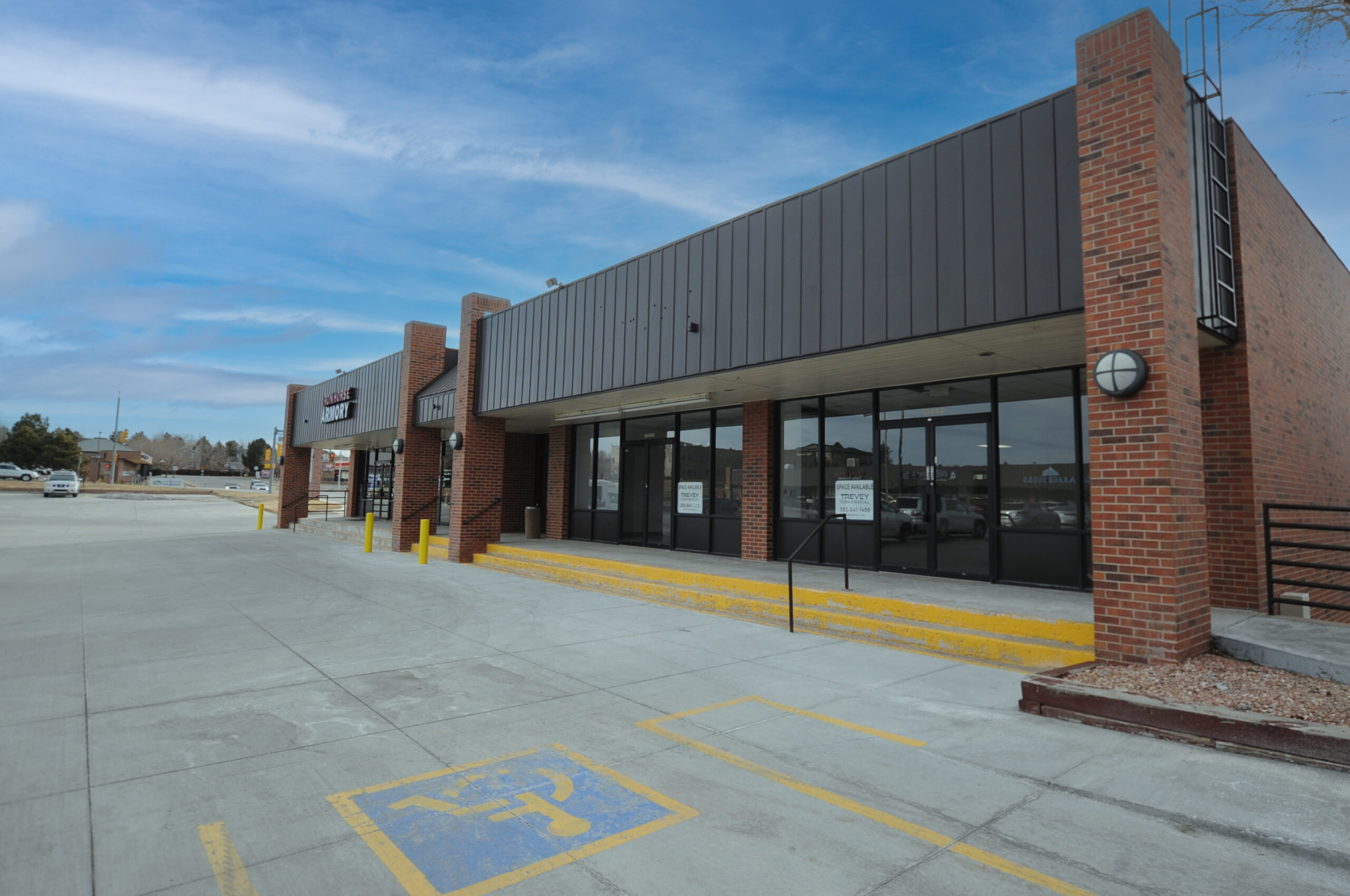
Convenience Store Roofing in West Virginia
When an owner asks about Convenience Store Roofing, we do not start with a brochure. We start with the weather, the roof assembly, the access route, the interior exposure.
→
Pharmaceutical & Laboratory Roofing in West Virginia
On a pharmaceutical or laboratory building, a leak is not a maintenance ticket. A few drops landing on a compounding bench, a sequencer, an incubator, or a.
→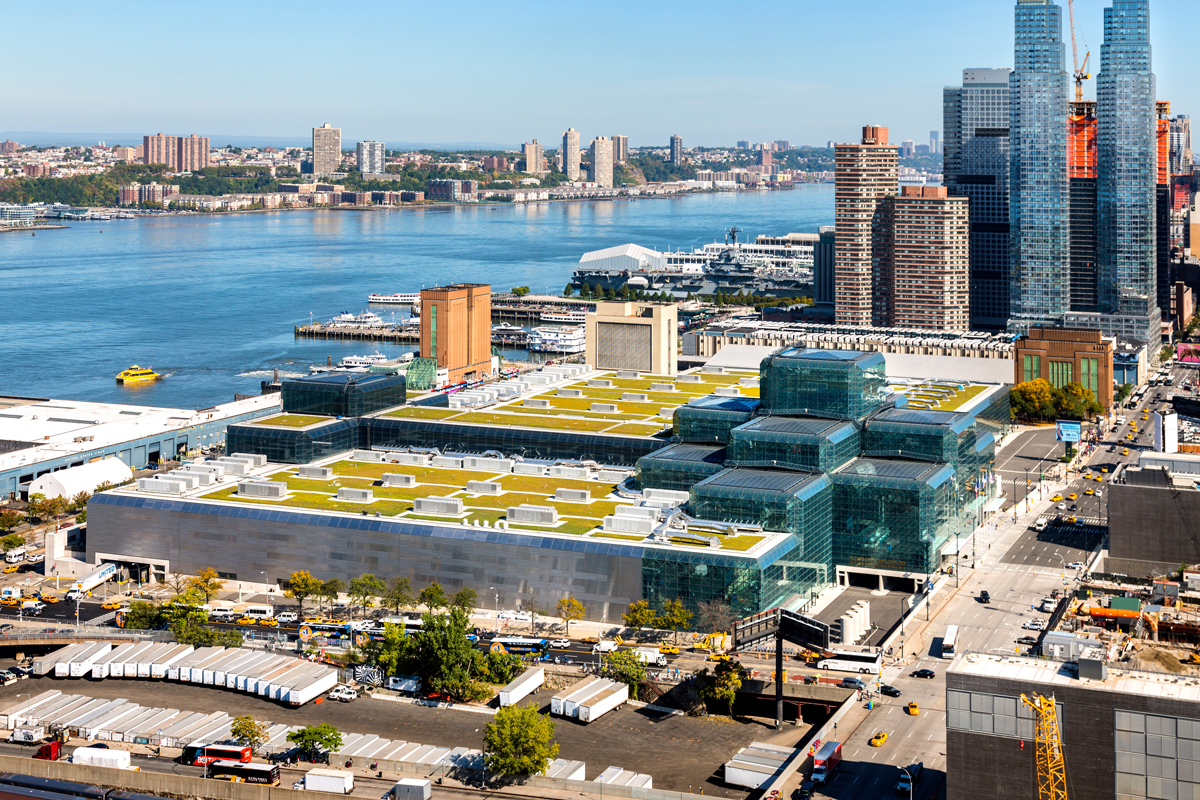
Event Venue & Convention Center Roofing in West Virginia
Event venue and convention center roofing in Charleston lives and dies by the booking calendar. These buildings don't have quiet seasons - confirmed events may be.
→
Distribution Center Roofing in West Virginia
We are usually talking with operators planning Distribution Center Roofing around people, inventory, tenants, or public access below, so the first visit is grounded.
→