
The roof a car wash fights from underneath
A car wash is one of the only commercial buildings where the roof deck takes its worst beating from the inside. Every cycle pushes hot mist, detergent vapor, and chloride-laden spray up against the underside of the deck, and that warm, saturated air condenses on cold steel the moment a Kanawha Valley winter night drops the rooftop temperature. We build car wash roofs in Charleston around that reality first, because a membrane chosen the way you would spec a dry retail box will rot the fasteners and corrode the deck long before the surface ever shows a leak.
Charleston runs a dense field of wash operators. The Corridor G / Route 119 climb toward Southridge, the MacCorkle Avenue strip through Kanawha City and South Charleston, and the Patrick Street and West Washington Street commercial runs all carry express tunnels, in-bay automatics, and self-serve bays competing for the same drive-by traffic feeding Southridge Centre, Dudley Farms Plaza, and The Shops at Trace Fork. Add the salt and brine that crews lay down across I-64, I-77, and I-79 every winter, and Charleston wash volume spikes exactly when the interior humidity load on the roof is at its harshest.
Why the bay enclosure is the failure point
The tunnel or bay structure sitting directly over the wash equipment is the zone that decides the life of the whole roof. Three forces stack there: airborne alkaline detergent and wax, sustained relative humidity near saturation, and a hot-to-cold thermal swing every time a vehicle clears the arch. That combination embrittles unprotected coatings, breaks down adhesives, and turns ordinary fasteners into rust streaks within a few seasons.
Membrane chemistry is not interchangeable here. TPO and EPDM both lose ground against the alkaline detergents and solvent-bearing tire and wax compounds a full-menu wash atomizes all day. We generally specify a 60-mil PVC membrane over the bays, fully adhered or fleece-back, because the plasticizer chemistry holds up far better to that exposure and the adhered attachment removes the fastener field that vapor loves to corrode. Before any of that is final we read the actual chemical program the operator runs, because the brand of presoak and drying agent changes the answer.
Stopping condensation inside the assembly
Surface membrane alone does not protect a wash. The interior vapor has to be controlled or it will drive straight into the insulation and condense against the deck. We design the assembly with a vapor retarder set for the wash's interior dew point, insulation that keeps the deck above the condensing temperature, and where the structure allows it, exhaust and ridge venting that pulls saturated air out before it can collect. On a steel deck over an active tunnel, getting that layering right is the difference between a roof that lasts and one that quietly corrodes from the back side with no leak ever appearing on the ceiling.
Drainage, canopies, and the rest of the property
Express layouts in Charleston rarely stop at the tunnel. There is an equipment and chemical room, a small office or pay-station block, vacuum canopies on the exit apron, and sometimes a customer waiting cover. Each of these is a different roof with a different problem, and we scope them as separate assemblies rather than one blanket membrane.
Ponding over the equipment bays
In-bay automatics and self-serve buildings carry less chemical vapor than a full tunnel, but they almost always come to us with drainage trouble. Flat spans over the equipment bays collect water at the low points, and ponding accelerates membrane aging and loads the deck. We check slope and drain placement on every wash inspection and add tapered insulation to move water to scuppers or interior drains where the original build left dead-flat areas behind.
Vacuum and customer canopies
The vacuum canopies out on the exit apron live a separate hard life: vehicle exhaust, overspray from tire dressing, road salt tracked off MacCorkle and Corridor G, and the full outdoor thermal cycle with no conditioned space beneath them. The canopy-to-building transition and the canopy drain tie-ins are the single most common chronic leak we find on Charleston express sites. We re-flash those joints, address the gutters and downspouts, and treat the canopy membrane or metal as its own maintenance item rather than assuming it ages with the main building.
Keeping the wash open while we work
Charleston washes run seven days through most of the year, and the busy stretch lines up with the same winter weather that makes the roof work urgent. We sequence around that. Tunnel and bay roof work lands in the early-morning or late-evening closed window so the wash keeps selling, and exterior office, equipment-room, and canopy work proceeds during business hours with the staging and traffic control set to keep cars clear of the crew. Every penetration over the bays gets dried in before it is left, because a single open seam over a humid tunnel re-wets the insulation we just protected.
What a Charleston car wash roof review covers
When we walk a wash here, we are looking for the specific signals this building type throws off:
- Underside deck and fastener corrosion driven by interior humidity, not just surface leaks
- Membrane compatibility with the operator's actual detergent, presoak, and wax program
- Exhaust and steam-removal penetrations over the tunnel and whether their curbs and flashings match the airflow and chemical load
- Ponding and slope deficiencies over equipment and self-serve bays
- Vacuum and customer canopy condition, drain tie-ins, and canopy-to-building transitions
- Edge metal and coping corrosion from chloride exposure off the surrounding corridors
The end result is a roof scoped for what a car wash actually does to it. We match the membrane to the chemistry, control the vapor before it reaches the deck, fix the drainage the original build ignored, and keep the doors open while we do it. If you operate a tunnel, an in-bay, or a self-serve site anywhere from Southridge to Kanawha City, we can put a real condition assessment in front of you and a fixed scope behind it.
Q&A
Questions about Car Wash Facility Roofing
What decides the next roof step on a West Virginia car wash?
We assess membrane and metal condition in a constantly humid environment, seam and flashing wear over the wash tunnel, insulation moisture, drainage, and corrosion from chemicals and steam. High interior moisture and equipment loads steer the recommendation on a car-wash roof.
Can a car wash keep operating during roof work?
Usually yes. We phase the roof over the tunnel, equipment room, and pay area so the wash keeps running, with daily dry-in, protection for blowers and controls below, and access limits set before crews begin.
What details should a car-wash operator gather before a roof walk?
Send roof plans, leak photos, membrane age, warranty paperwork, interior leak spots over the tunnel or equipment room, rooftop exhaust locations, and a site contact. That helps us walk a wet, equipment-heavy roof safely and plan around wash hours.
Related Roof Decisions

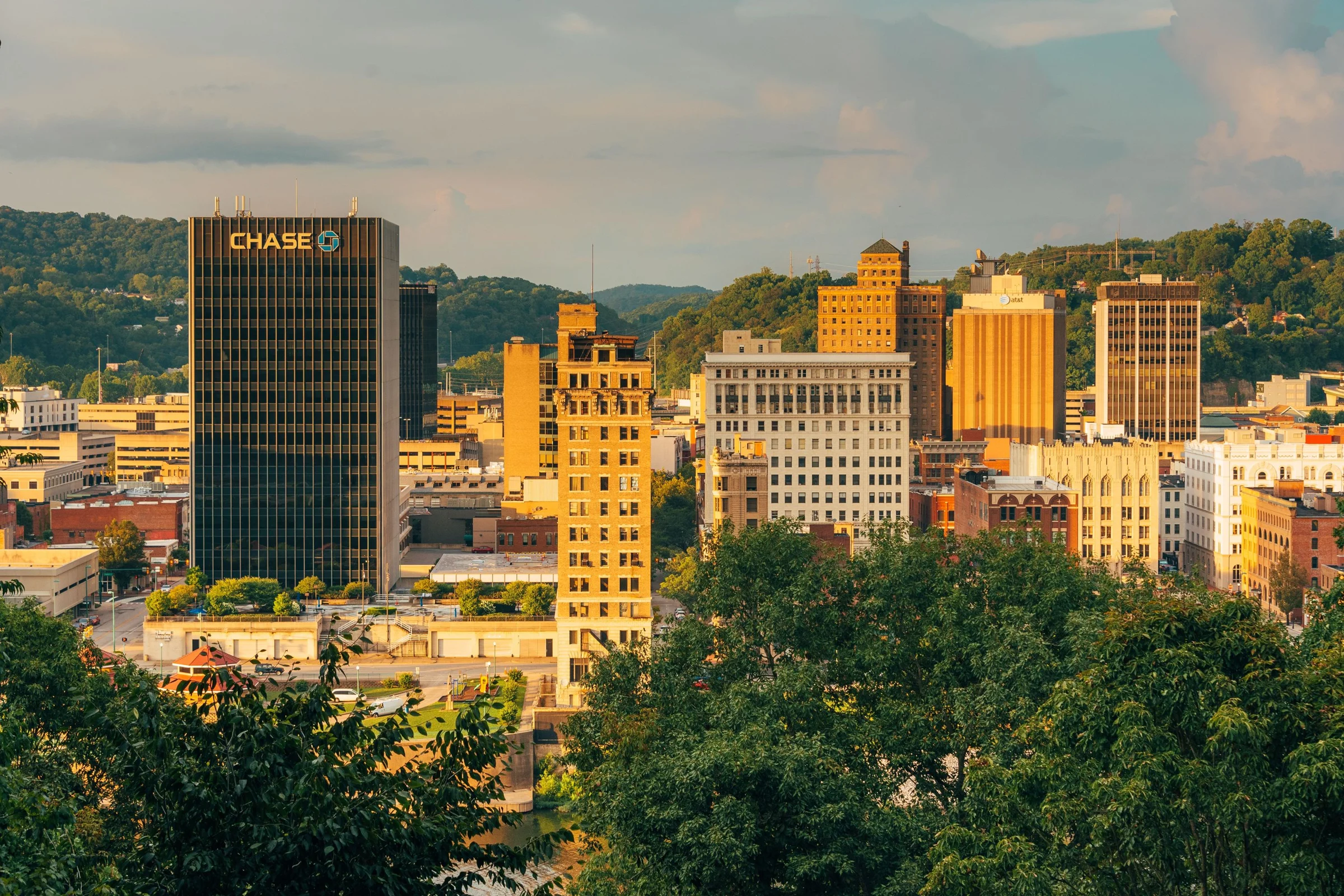
Multi-Tenant Retail Strip Roofing in West Virginia
When an owner asks about Multi-Tenant Retail Strip Roofing, we do not start with a brochure. We start with the weather, the roof assembly, the access route, the.
→
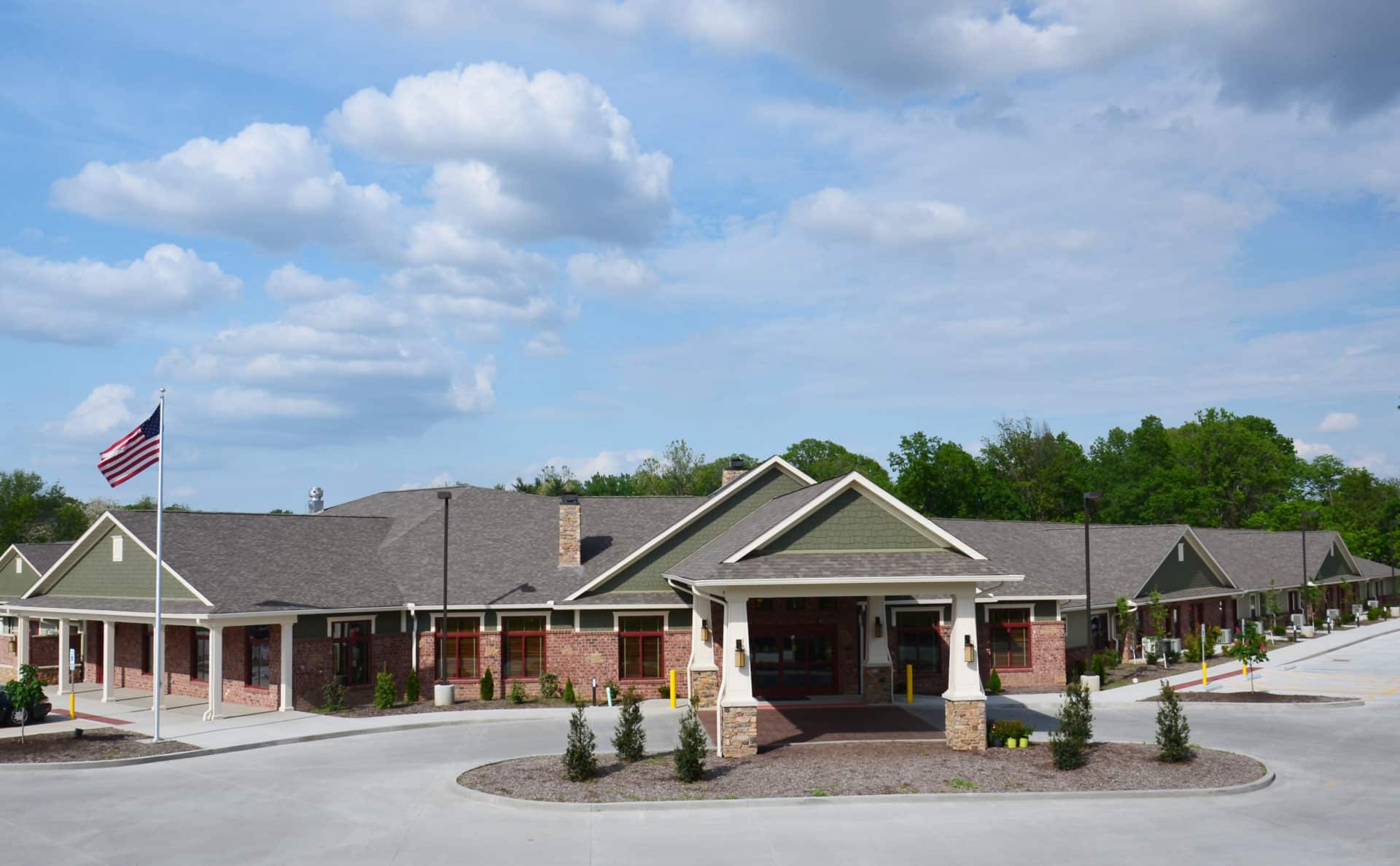
Higher Education Roofing in West Virginia
The roof surfaces near Kanawha County and Hurricane often age in different ways, even when the buildings are only a few miles apart. That is why Higher Education.
→
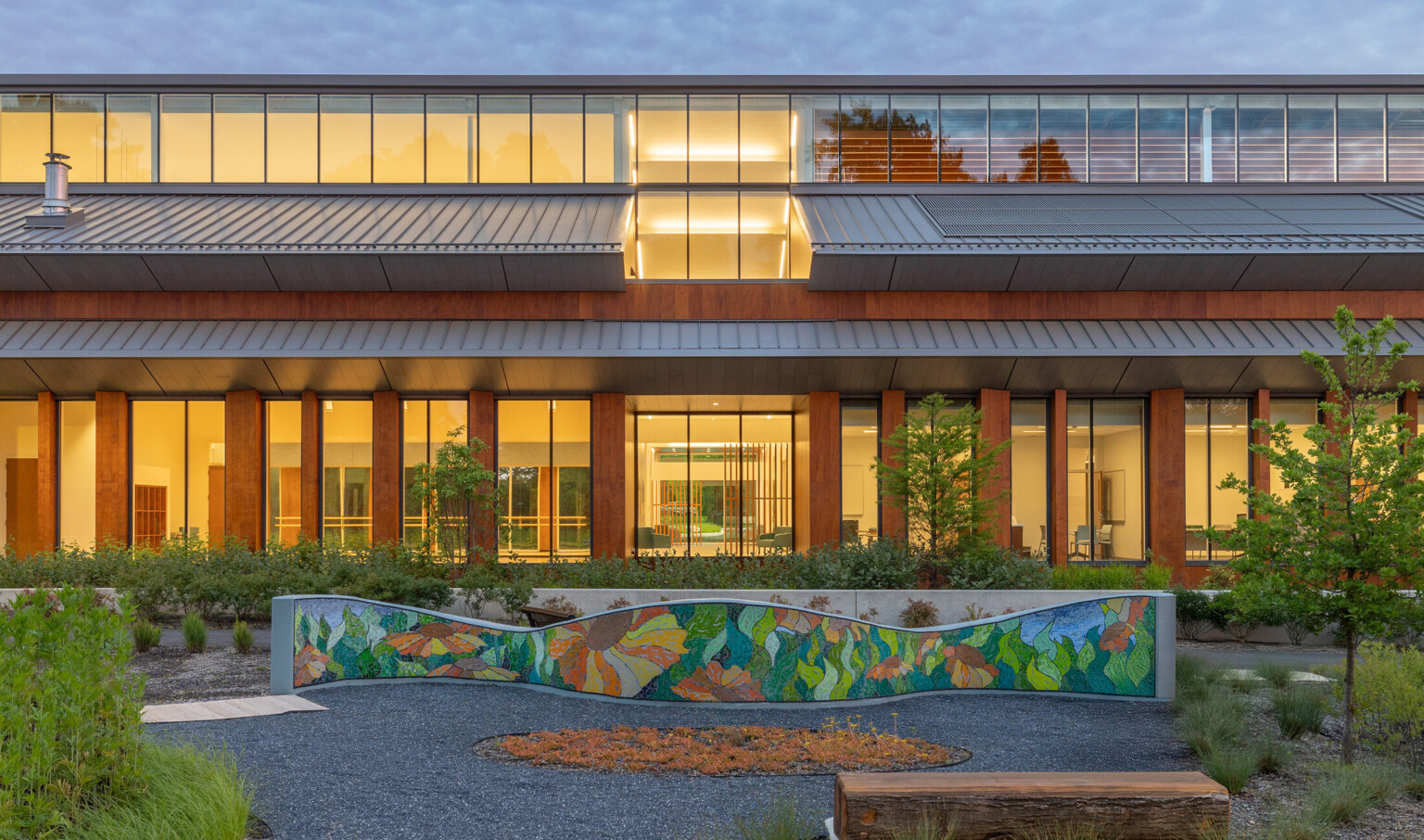
Senior Living Facility Roofing in West Virginia
When an owner asks about Senior Living Facility Roofing, we do not start with a brochure. We start with the weather, the roof assembly, the access route, the interior exposure.
→
Sports & Recreation Facility Roofing in West Virginia
Recreation buildings ask a roof to do two hard things at once: cover an enormous column-free space and survive whatever is going on inside it. A field house, a.
→