
Charleston, West Virginia's food distribution and cold storage sector serves one of the most geographically challenging markets in the eastern United States - a state characterized by mountainous terrain, dispersed population centers, and the logistical complexity of supplying communities that are sometimes accessible only by routes that winter weather regularly compromises. Sysco West Virginia's distribution center anchors the food service supply chain for the region, serving restaurants, healthcare facilities, schools, and institutional customers across a service territory that extends through the state's rugged geography. Kroger's Mid-Atlantic distribution infrastructure in West Virginia connects the state to regional grocery supply chains, maintaining cold chain continuity for the grocery retail network that serves communities where Kroger may be the primary - or only - grocery option within a reasonable driving distance.
Coal country food distribution has historically been shaped by the same economic cycles that have defined West Virginia's broader economy, and the food distribution facilities serving Charleston and surrounding communities reflect that history - a mix of older infrastructure that was built during the coal economy's peak and more recent investment that serves a more economically diversified state. The roofing systems on older food distribution buildings in Charleston often reflect construction standards from decades past that are significantly below current best practices for Cold Storage Roofing, creating re-roofing investment needs that facility managers are increasingly recognizing as both a capital preservation and an operational risk management priority.
West Virginia's Appalachian climate creates Cold Storage Roofing challenges that are distinct from both the Mid-Atlantic coastal climate and the continental interior. The Kanawha Valley's topography influences local weather patterns, producing ice storm events at frequencies that exceed those of most comparable-latitude metropolitan areas, and the freeze-thaw cycling that follows those events concentrates damage at the roofing assembly joints and transitions that are most vulnerable to thermal movement. Cold storage facilities in Charleston must manage vapor challenges from both summer humidity - which is significant, though less extreme than coastal markets - and the building's own refrigeration-driven vapor dynamics.
HACCP compliance for West Virginia food distribution facilities operates in a context where regulatory inspection resources may be less frequently deployed than in more densely regulated markets, but where the consequences of food safety failures are no less severe. Sysco's quality standards for its distribution facilities are set at the company level and do not vary by state regulatory environment - a Sysco West Virginia facility must meet the same internal quality standards as a Sysco Florida or Sysco West Virginia facility. These internal standards include building maintenance requirements that address potential contamination pathways including roofing integrity, and they create a quality bar that state regulatory intensity alone would not produce.
Vapor management for Charleston cold storage roofs must address the seasonal vapor drive patterns of the Appalachian climate. Summer months bring humid air from the Gulf of Mexico inland into the valleys of West Virginia, creating vapor pressure against cold storage building envelopes that, while less intense than coastal markets, is significant enough to drive moisture infiltration through vapor retarder deficiencies. Winter months reverse the drive, pushing interior moisture toward the cold exterior. The assembly design must account for both seasonal conditions, and the freeze-thaw vulnerability of the assembly must be addressed through material selection and detail design that withstands Charleston's ice storm exposure.
Ice storm events create a roofing maintenance priority for Charleston cold storage facilities that is unique to the Appalachian climate zone. Freezing rain accumulation on cold storage buildings can be significant during Kanawha Valley ice events, and the weight of ice accumulation added to existing snow load can approach or exceed structural design thresholds on older buildings. Ice accumulation on internal drains creates ponding conditions that persist through the extended periods of subfreezing temperatures that follow ice events, and the mechanical damage that expanding ice causes to drain bodies, flashing edges, and membrane seams can create leak pathways that are revealed only when the ice melts.
The Kroger Mid-Atlantic distribution presence in West Virginia reflects the grocery chain's understanding of the logistical complexity of serving Appalachian markets. Grocery distribution in West Virginia requires facilities that can manage the temperature and handling requirements of fresh, frozen, and ambient products while supporting the delivery logistics of serving dispersed communities in challenging terrain. Building envelope reliability at the distribution center level is a supply chain resilience factor that Kroger facility management programs treat as a component of the broader operational reliability system, not as a standalone property maintenance concern.
The economic environment of West Virginia's food distribution sector creates capital allocation pressures that make preventive roofing investment genuinely difficult to justify in annual budget cycles that face competing priorities. Facility managers who make the case for proactive roofing investment at Sysco, Kroger, or other distribution operations in Charleston must frame the investment in operational risk terms - the cost of a cold chain disruption during a West Virginia winter, when emergency roofing response is complicated by mountain weather conditions and limited contractor availability - rather than simply in maintenance economics. This framing often produces a more compelling business case than the direct cost comparisons between preventive investment and reactive repair.
Emergency roofing response after a significant weather event in Charleston faces logistical challenges that are more severe than in larger metropolitan markets. The limited local commercial roofing contractor market, combined with winter road conditions that can limit contractor access to mountain communities, means that facilities without pre-established emergency response agreements may face extended periods operating under a compromised roof after a major storm. Pre-qualified contractor relationships that include explicit emergency response commitments and mobilization time guarantees are an essential component of cold storage facility preparedness in the Mountain State.
Frequently Asked Questions: Food and Cold Storage Roofing in Charleston, WV
How does West Virginia's ice storm frequency affect Cold Storage Roofing maintenance?Charleston and the Kanawha Valley experience freezing rain events at higher frequency than most comparable-latitude Mid-Atlantic metropolitan areas. Ice accumulation on cold storage buildings creates structural loading, drain blockage, and mechanical damage to flashings and membrane edges that reveals itself as leak infiltration after thaw events. Pre-season inspection in fall confirming drain heat trace systems, flashing integrity, and structural condition is essential before each winter season.
What vapor management challenges are specific to West Virginia cold storage?West Virginia's Appalachian climate produces summer vapor drives from Gulf-origin humidity that, while less extreme than coastal markets, are significant enough to require continuous vapor retarder performance at cold storage facilities. The seasonal reversal of vapor drive direction in winter adds a bi-directional challenge to assembly design. Freeze-thaw cycling at penetration and flashing details concentrates damage at the same locations that vapor retarder continuity is most difficult to maintain, requiring specific design and installation attention to these details.
How should Sysco West Virginia's facility maintenance program address roofing?Sysco's internal quality standards for distribution facilities require building maintenance programs that demonstrate proactive management of potential contamination pathways including roofing. Inspection intervals, maintenance records, and corrective action documentation should be maintained in the facility's quality record system. The company's internal quality program creates a performance bar that exceeds West Virginia state regulatory requirements and should be treated as the governing standard for facility maintenance planning.
What emergency roofing response capabilities should Charleston cold storage facilities maintain?Given West Virginia's limited local contractor market and the winter road conditions that can complicate emergency response in the mountains, cold storage facilities in Charleston should maintain pre-qualified emergency roofing contractor agreements with at least two contractors - one local and one from a larger adjacent market like Pittsburgh or Columbus. These agreements should include explicit response time commitments, pre-approved material specifications for emergency weatherproofing, and mobilization logistics that account for potential access challenges during winter events.
What is the most important fall maintenance task for West Virginia cold storage roofs?Comprehensive drain cleaning and inspection, combined with flashing and seam assessment, completed before the first ice event of the season provides the highest protective value of any maintenance activity in Charleston's climate. Blocked drains that freeze during the first Kanawha Valley ice event can remain frozen for extended periods, creating progressive ponding and ice dam damage that compounds through the winter season. The cost of a fall maintenance visit is typically recovered many times over in prevented emergency repair costs.
Q&A
Questions about Food Processing and Cold Storage Roofing
What decides the roofing approach over a food plant or cold-storage box?
Condensation control drives the decision. We evaluate vapor drive off refrigerated bays, membrane condition around ammonia and refrigeration equipment, drainage that cannot pond near intakes, and USDA sanitation needs before recommending repair, recover, or replacement.
Can a processing line keep running during roof work?
Usually yes. Production and cold chain stay intact when we phase the scope over non-production areas first, dry-in nightly, protect refrigeration lines and vents, and coordinate hot work so freezer temperatures and food-safety controls hold throughout.
What should a plant send before we walk the roof?
Send roof plans noting refrigeration units and roof drains, leak reports near production or freezer bays, warranty terms, membrane age, and sanitation access rules. A facility contact who manages line schedules helps us plan around shifts.
Related Roof Decisions
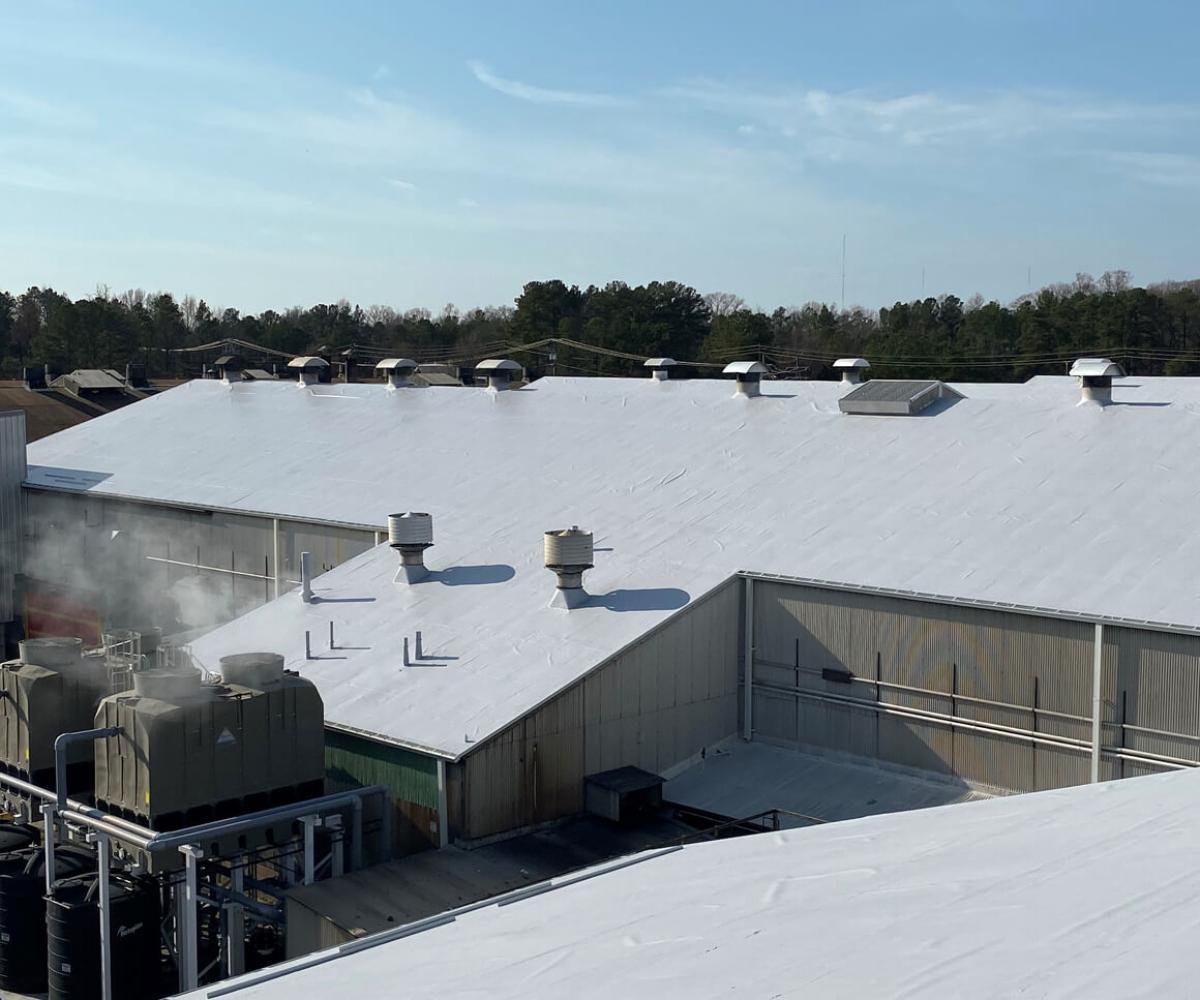
Manufacturing Operators in West Virginia
The roof surfaces near South Hills and industrial corrosion exposure often age in different ways, even when the buildings are only a few miles apart. That is why.
→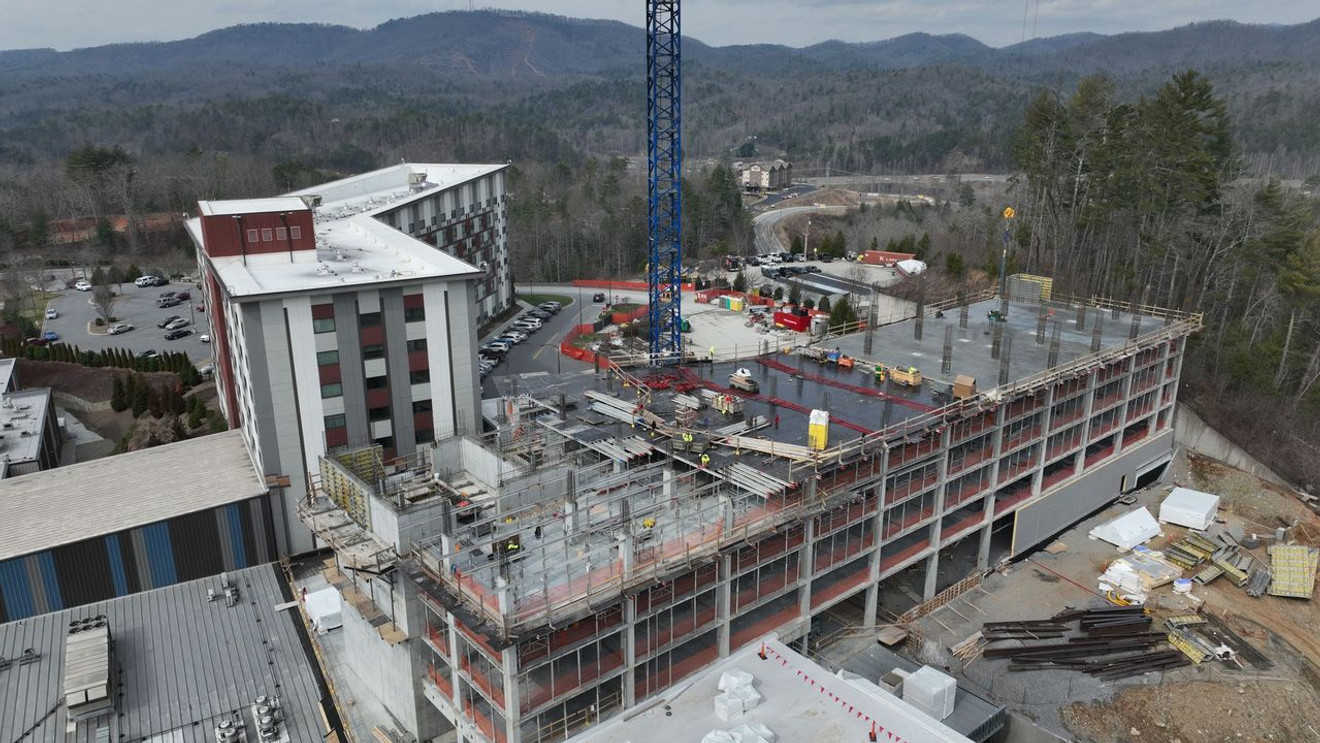
Hospitality Groups in West Virginia
A leaking curb, open seam, or loose coping cap around Montgomery tells only part of the story for Hospitality Groups. We still need to see the drain layout, roof.
→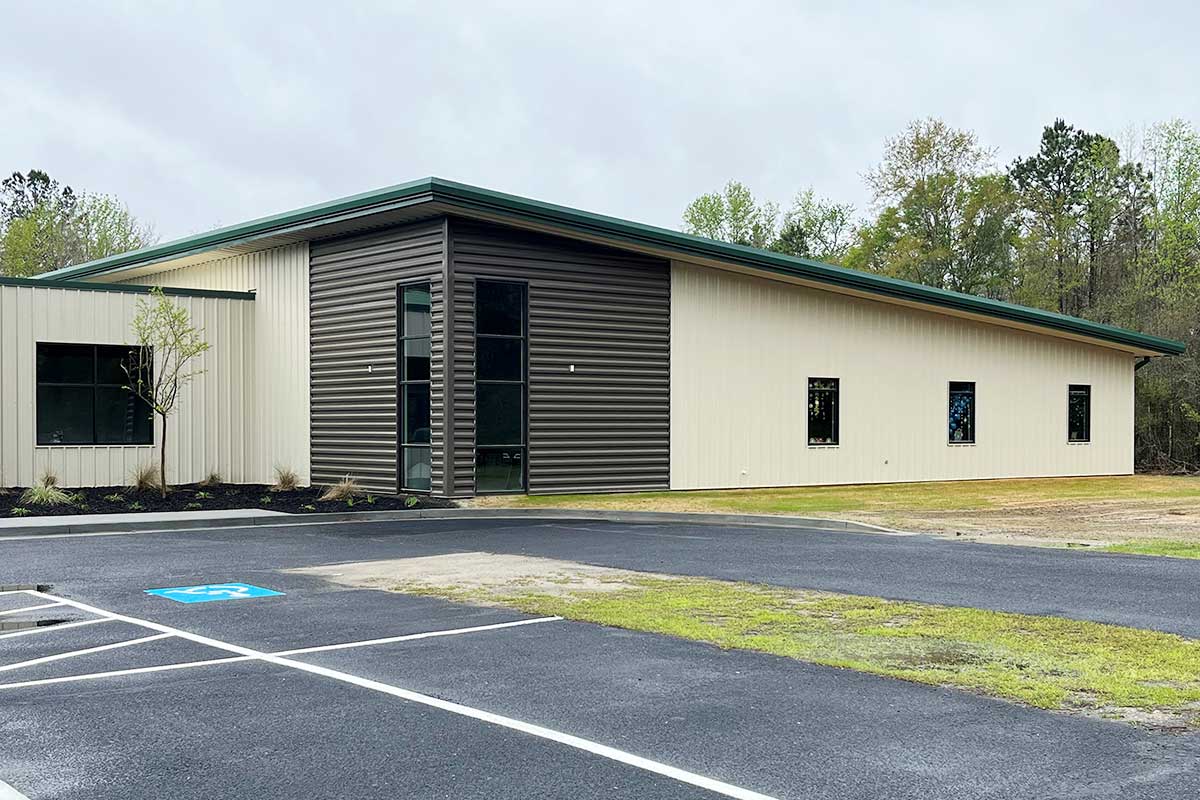
Religious and Non-Profit Facilities in West Virginia
The first clue on Religious and Non-Profit Facilities is often not the leak mark; it is the route water took between Clendenin and Capitol Street. We trace seams.
→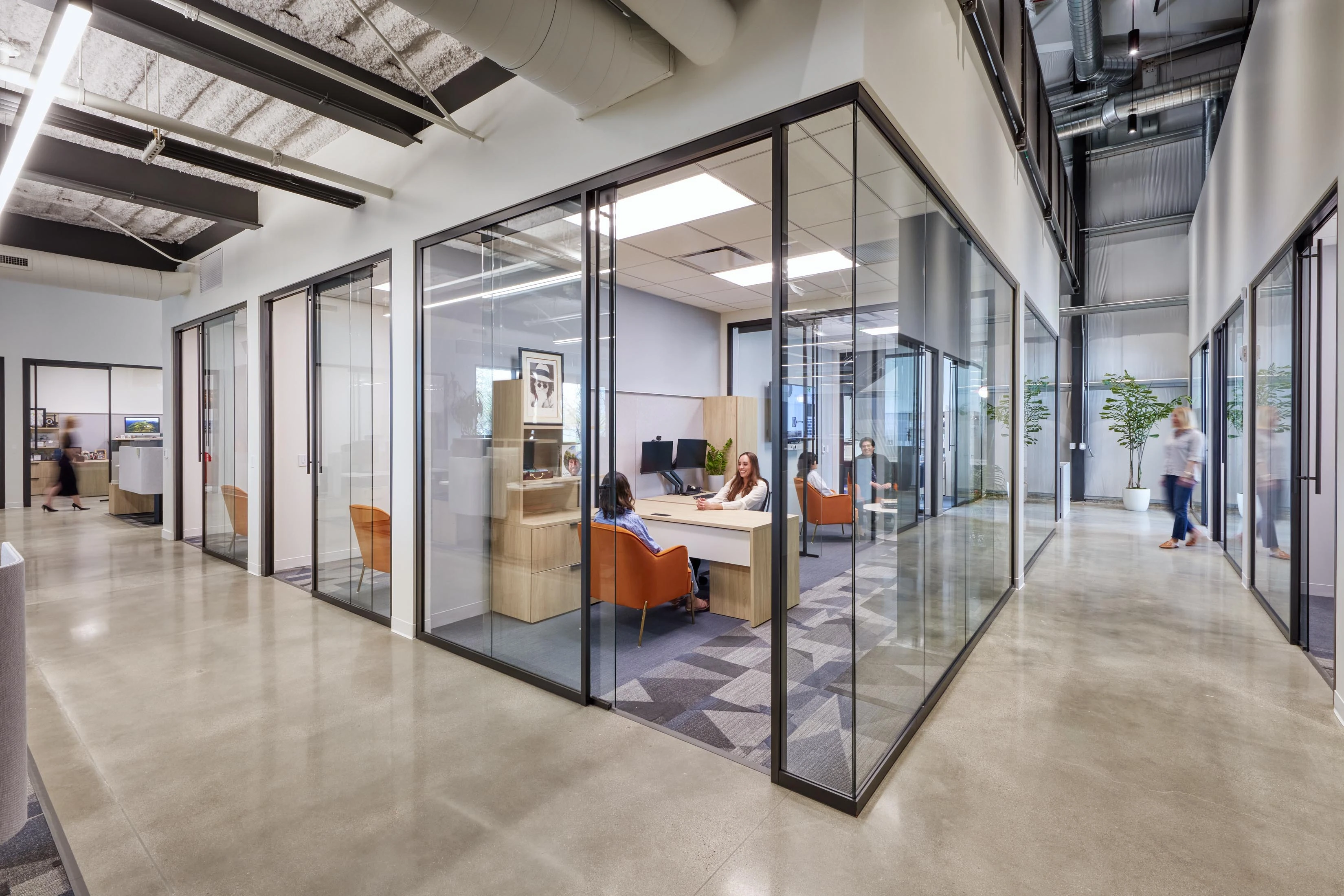
DST Roofing Services in West Virginia
Delaware Statutory Trust sponsors acquiring commercial assets in the West Virginia market - anchored primarily by the Charleston metro area, which serves as the.
→